
Why So Many Rent-Stabilized Units Sit Empty
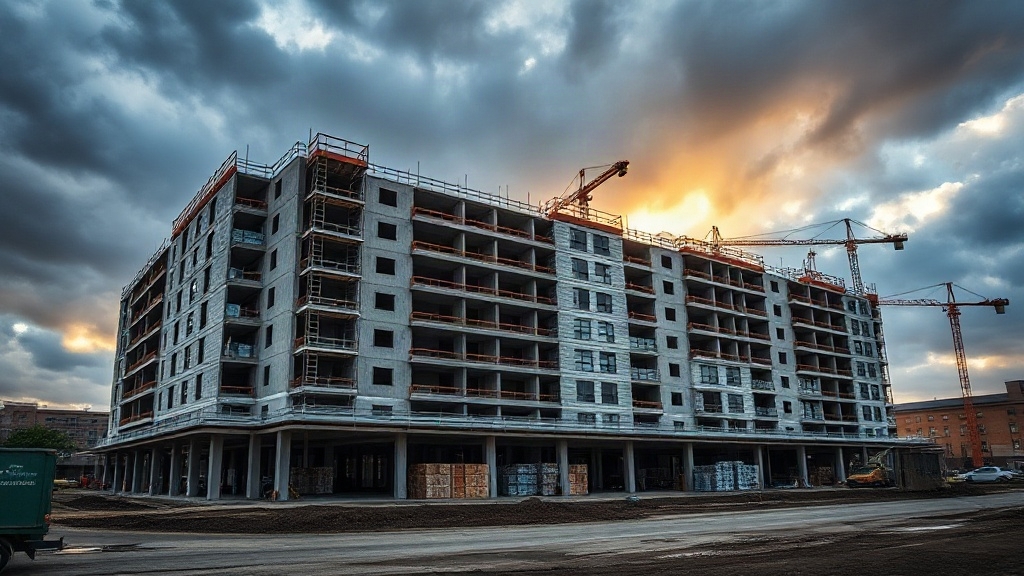
In the wake of Albany’s 2019 rent law overhaul, a growing share of New York’s rent-stabilized apartments has remained vacant. Owners can no longer raise rents enough to offset major repair costs, rising operating expenses, and tight limits on recoverable renovation spending. But the city comptroller’s 2023 analysis found no evidence that HSTPA caused an increase in vacant or distressed rent-stabilized units.
Financial Pressure Intensifies
The law eliminated vacancy bonuses and sharply capped recoverable renovation costs. That changed tenant incentives at turnover while expanding owner liabilities tied to aging buildings and deferred maintenance. Similar pressures in other markets have intensified debate over public investment priorities, including affordable housing initiatives in Charleston.
When long-term tenants leave, some units need extensive work that far exceeds allowed recovery. Legal rents often remain too low to cover taxes, insurance, labor, utilities, and financing.
As operating expenses rise and rent adjustments stay restricted, the economic math breaks down. For some owners, leasing a heavily damaged apartment at regulated rates produces losses, so units remain vacant instead.
Why Empty Units Don’t Show Up as Available
Rather than appearing in public apartment listings, thousands of rent-stabilized units are classified by housing agencies as vacant but unavailable for rent.
That category keeps them out of advertised inventory even though they are empty.
State data counted 26,310 such units in 2023, while a 2021 survey found about 43,000 during pandemic-era disruption.
Growing inventory levels in major housing markets can further complicate pricing signals when large numbers of empty units remain hidden from public listings.
Reporting Rules Obscure Supply
Housing guidelines exclude apartments needing major renovation or lacking legal ways to raise rent after vacancy.
The city also records units by prior-year registration dates, weakening data transparency about current availability.
Budget Office findings showed 13,362 stabilized units stayed empty for at least two consecutive years without marketing.
Because these homes remain registered yet offline, public listings understate supply and distort tenant incentives, demand signals, and policy debates around access.


What Keeps Stabilized Apartments Offline
Behind the large number of vacant but unavailable units is a deeper problem: many rent-stabilized apartments remain empty because owners say the economics of putting them back on the market no longer work.
After the 2019 HSTPA, vacancy bonuses were eliminated and recoverable renovation costs were capped.
For older apartments that need major repairs, legal rent ceilings often do not cover renovation costs, overhead, and debt service. That leaves some owners unable to secure financing for rehab work, while others warn of possible landlord insolvency.
| Pressure | Effect |
|---|---|
| Capped rent increases | Weak return on repairs |
| High rehab costs | Units stay offline |
Some owners also warehouse apartments because state law allows indefinite vacancy without penalty.
State records show 57,421 stabilized units are vacant, with 26,310 listed as unavailable for rent. For many buildings, the financial equation no longer supports re-leasing these apartments.
Where Vacant Rent-Stabilized Units Are Rising
Across New York City, vacant rent-stabilized units are increasingly concentrated in specific boroughs. Brooklyn holds a large share of the roughly 57,000 empty apartments recorded in 2025.
State data indicates an uneven distribution rather than a citywide pattern. The rise is most visible in Brooklyn hotspots and Queens clusters, where empty stabilized homes have persisted despite strong housing demand.
Borough Patterns
Brooklyn: A significant share of vacant stabilized units is located here.
Queens: Vacancies are rising as operating costs outpace legal rents.
Bronx: More than 3,000 formerly dilapidated stabilized units remain off the market.
Citywide: The stabilized vacancy rate reached 5.6% in 2025, above earlier levels.
These borough patterns show how vacancy growth is concentrating geographically. It is not spreading evenly across New York City’s housing stock.
What Reopening 57,000 Units Could Change
If brought back online, roughly 57,000 vacant rent-stabilized apartments could reshape New York City’s housing market. The impact would be large enough to influence rents, tax revenue, and neighborhood stability.
The economic upside could be significant. Annual rent collections may reach about $1.2 billion, while property tax receipts could rise by roughly $150 million.
A larger housing supply could also ease rent pressure citywide. Estimates suggest rents could fall by 3% to 5%.
| Change | Estimated effect |
|---|---|
| Rental revenue | $1.2 billion yearly |
| Tax revenue | $150 million yearly |
| Rent pressure | Down 3% to 5% |
| Housing access | 15% unmet demand addressed |
Reoccupation could also strengthen social stability. Vacancy in stabilized housing may drop below 2%, improving overall housing access.
Affordable access for low-income households could rise by 22%. Supportive placements may also reduce homelessness by as many as 8,000 people.
Assessment
The scale of New York’s vacant rent-stabilized inventory points to a deep breakdown between legal affordability and practical occupancy.
Tens of thousands of units remain sidelined by repair costs, regulatory limits, and ownership disputes.
Even as housing pressure intensifies citywide, these apartments remain off the market.
The result is a distorted market in which nominally protected apartments exist on paper but not in circulation.
That deepens scarcity and complicates any near-term effort to expand access to lower-cost housing.