

Marisol Project Details and Location
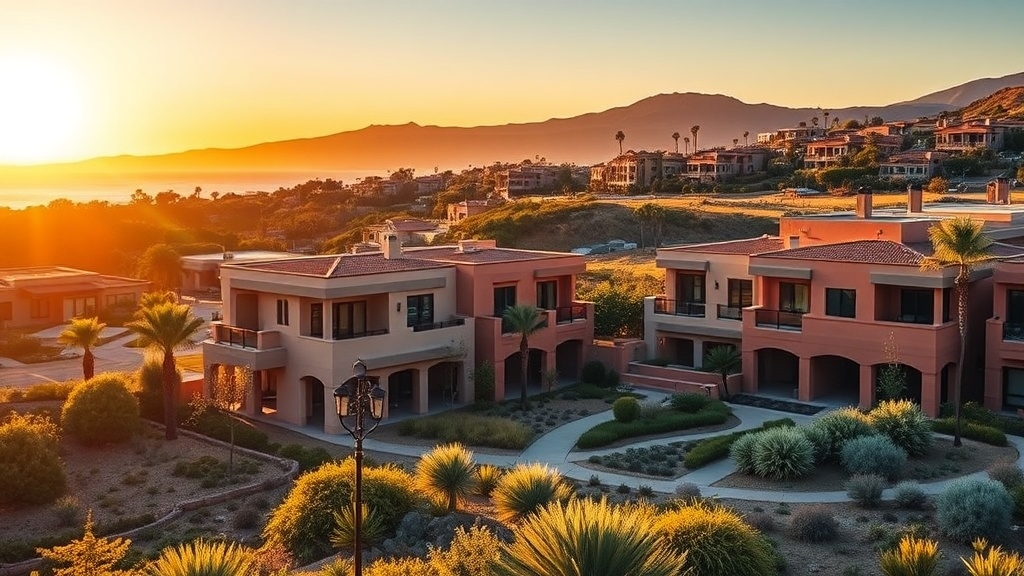
At the intersection of North La Cumbre Road and Calle Cita, the Marisol project is planned as a 50-unit multi-family condominium development within Santa Barbara city limits.
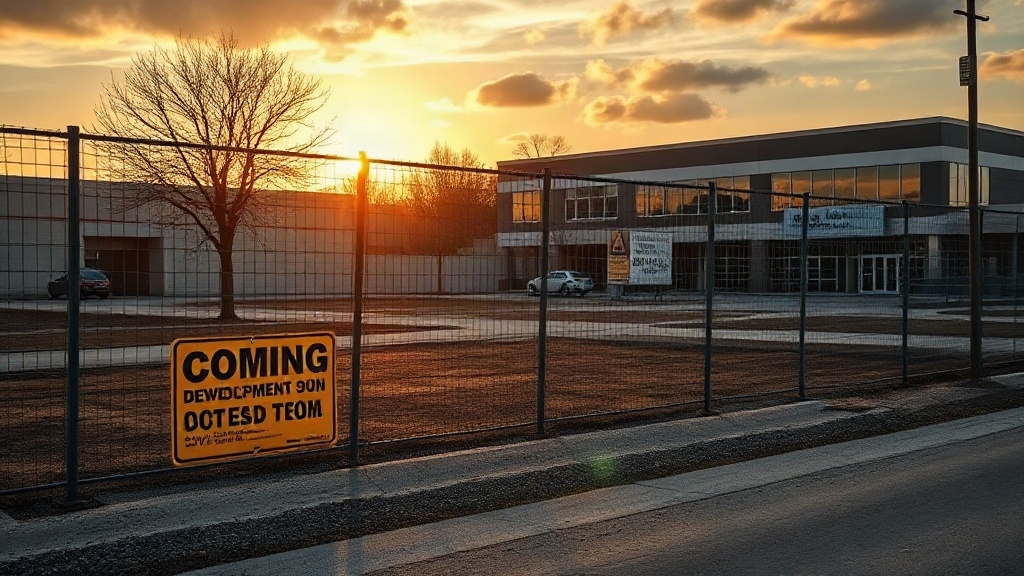
The complex is described as a modern multi-family residential project with 50 for-sale units on a site formerly occupied by the Hope Community Church building.
Its modern architecture reflects new construction rather than reuse of the previous structure.
Site Context
The property lies within Santa Barbara and is defined by clear site boundaries shaped by adjacent roadways and nearby residential zones.
County records previously referred to the proposal as Hope Villas, though the development team now uses Marisol as the official project name.
Planning materials indicate a mix of market-rate and affordable homes within the overall density, with construction scheduled to follow county approval granted in October. Broader migration patterns, including Californians relocating to lower-tax states, continue to shape housing demand discussions across the region.
Elsewhere, the Marisol name is also associated with a Malibu coastal development known for extensive native restoration, including thousands of planted native species and relocated trees.
Why Santa Barbara Approved Marisol
Following an October review, Santa Barbara County approved Marisol because the Planning Commission granted the tract map change required for Franciscan Real Estate LLC to sell the 50 homes as condominiums.
The homes are planned for the former Hope Community Church site at North La Cumbre Road and Calle Cita.
The decision reflected a clear planning rationale tied to converting the property from its former church use into residential ownership units.
Key Factors
- The tract map change served as the legal mechanism for condominium sales.
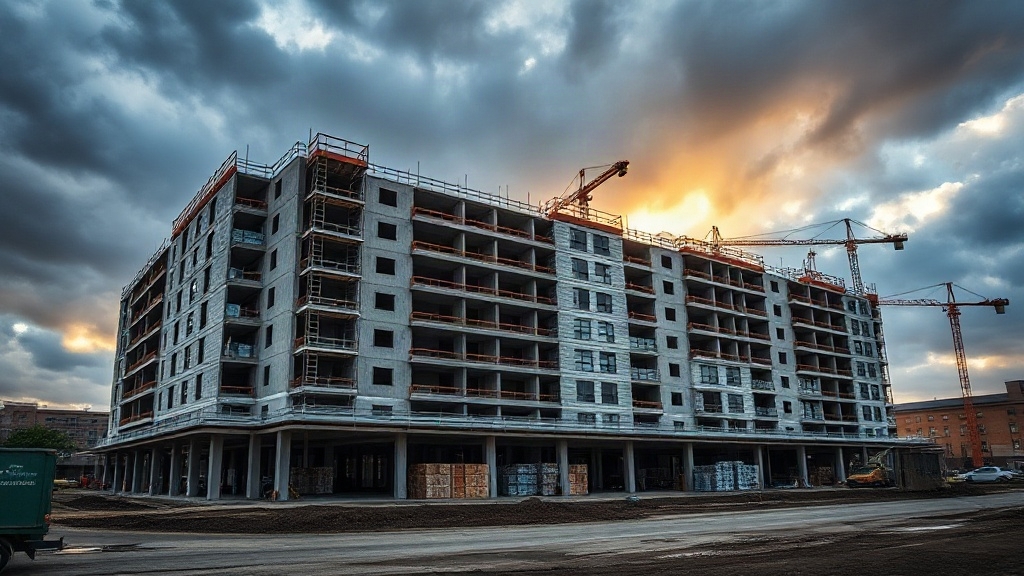
- The action cleared the way for eight three-story buildings.
- County records show the project was first identified as Hope Villas.
- The later Marisol name followed the approval process.
The Board of Supervisors later upheld that action and denied an appeal, confirming the county’s approval path.
That sequence made the project’s authorization final.
The approval also comes amid Santa Barbara’s broader housing response, including projects supported by affordable housing strategies aimed at serving low-income and at-risk residents.


How Marisol Qualifies for Affordable Housing
Determining whether Marisol qualifies for affordable housing begins with strict household income verification tied to program limits.
Combined gross annual income must remain below the limit set for each unit, generally between 60 and 120 percent of Area Median Income based on San Diego County figures and household size.
All household members age 18 and older are counted.
Occupancy and Property Tests
The home must serve as the owner’s principal family residence and cannot be used as a vacation or secondary property.
That status must continue throughout the qualification period.
Marisol also must be verified as single-family housing, not a multi-unit or commercial property.
Financial and Documentation Standards
Post-rehabilitation value cannot exceed 95 percent of the area median purchase price.
Borrowers need a 660 credit score, limited late payments, no recent foreclosure, bankruptcy, or tax liability.
They also need documented employment and financial reserves.
Traffic, Demolition, and Neighborhood Impact
Project effects on traffic and nearby blocks now come into focus as the proposal moves from income rules to site-level consequences.
Key Pressures
The project adds about 30 daily car trips locally. Peak hour volume drops by 30 trips from earlier projections.
Existing structures would be demolished before eight buildings rise. Pedestrian safety improvements target workers walking to nearby businesses.
Disruption and Review
Traffic review relies on vehicle miles traveled, not intersection delay. The site’s transit proximity also helps avoid a traffic impact trigger under the 250-trip threshold.
City officials still determined in July 2025 that CEQA review is necessary.
Demolition clears the site for vertical expansion and shifts the property from rentals to condominium ownership.
Nearby blocks may face construction noise, truck activity, and temporary access changes. Planners emphasize neighborhood character and multi-modal travel options.
How Marisol Affects Santa Barbara Condo Supply
Amid a thinning 2026 condo market, Marisol would add 50 ownership units to Santa Barbara’s limited supply. That includes 10 deed-restricted affordable homes that would remain income-limited for 99 years.
That increase would matter in a market with 216 available properties, 119 condo sales, and an 8.5 percent rise in sales activity. With the 2026 median price at $2,333,237, added inventory could modestly ease pressure while expanding buyer choice.
Density Bonus Effects
Marisol also reflects state density bonus rules, allowing greater housing density through eight three-story buildings. The project’s mix of 2-, 3-, and 4-bedroom homes broadens ownership options beyond smaller condo formats.
Ten low-income units would be sold under state affordable price caps and protected by 99-year deed restrictions. Given the thin supply, market absorption could be relatively strong if approvals move forward.
Assessment
Marisol adds 50 condominium units to a constrained Santa Barbara housing market under rules designed to accelerate affordable development.
The approval reflects mounting pressure to expand supply despite neighborhood opposition tied to traffic, demolition, and scale.
Its use of state housing law underscores how local control is narrowing when cities fall short on housing obligations.
For Santa Barbara, the project signals a sharper shift toward higher-density infill as the condo shortage and affordability strain deepen.