

Why New York Housing Supply Is Already Tight
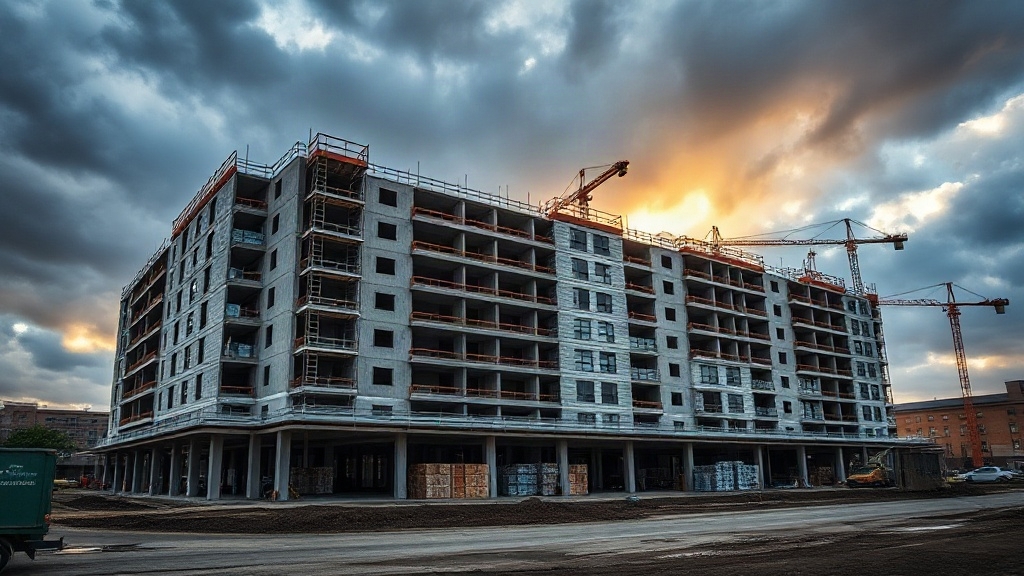
For decades, New York City has produced far too little housing to keep pace with population and job growth. That has left the market structurally short of available homes.
From 2010 to 2022, employment rose 23 percent while housing stock increased only 9 percent. Between 2010 and 2018, the city added just 0.19 housing units per new job.
That imbalance has intensified competition for homes, pushed up costs, and limited household mobility.
Deepening Market Strain
Permit issuance has also lagged peer cities. During the 2010s, New York permitted about 25 units per 1,000 residents, well below Boston, San Francisco, and Washington, D.C.
At the same time, zoning constraints and scarce land restricted faster growth.
The result is a vacancy crisis. The 2023 rental vacancy rate was 1.4 percent, the tightest in more than 50 years. Nearly one-quarter of city households face overcrowding pressure, underscoring how the shortage is affecting living conditions as well as prices.
How New York Budget Delays Hit Housing
As Albany’s budget process slips past deadline, housing agencies, local governments, and developers are often left waiting for final rules, allocations, and timelines that shape affordable housing and homelessness programs.
That delay creates funding uncertainty for agencies administering rental assistance, capital subsidies, and shelter-related services.
Many programs continue under prior-year assumptions, complicating cash-flow planning and delaying staffing, procurement, and service expansion.
In a broader housing environment marked by rising inventory and stalled price growth, these budget delays can deepen uncertainty for providers already navigating a slower, uneven market.
Pressure on Renters and Providers
For renters, delayed or reduced assistance can quickly produce tenant instability because subsidies often cover the gap between income and market rent.
If payments are interrupted, landlords may move toward eviction filings, increasing pressure on housing courts and shelters.
Cities and nonprofit providers also face strain when state commitments remain unsettled.
Some must rely on reserves or short-term measures while waiting for final budget numbers.


How Budget Delays Freeze Affordable Housing Projects
Budget delays do not stop at rental assistance and shelter systems. They also stall affordable housing developments that depend on layered public approvals before financing can close and construction can begin.
Across 21 projects totaling about 4,700 units, NYHC found average loan processing stretched to nearly four years. These budget bottlenecks, paired with staffing shortfalls, left ready-to-build sites waiting through HPD, OMB, interagency review, ULURP, and marketing. Similar debates in Los Angeles over affordable housing units in the Skid Row redevelopment show how large urban projects can raise both supply hopes and displacement fears.
| Freeze point | Visual effect |
|---|---|
| HPD staffing | Plans stacked on desks |
| OMB review | Closed funding gate |
| Interagency review | File passed room to room |
| ULURP | Calendar pages falling |
| Leasing delays | Finished homes staying dark |
Surveyed participants estimated delays added more than $1 million per project. Rising rates and inflation deepened the strain.
How NYCHA Delays Affect the Wider Housing Market
Meanwhile, delays inside NYCHA ripple far beyond public housing campuses and into the broader city market.
Average turnaround for vacant units climbed from 182 days in early 2022 to 399 days by January 2023, far above NYCHA’s 30-day target.
That vacancy impact kept thousands of apartments offline, as units on rent rolls but unmatched to tenants rose to 3,410.
Repair Backlogs Fuel Marketspillover
Repair backlogs are a central cause.
In 2022, average preparation time reached 236 days, with lead and asbestos work extending delays.
Average repair cost per vacant unit was about $45,000, while systemwide needs were estimated at $32 billion.
This marketspillover reduces near-term affordable supply, slows reoccupancy, and pushes pressure onto shelters, vouchers, and other constrained housing channels across the city.
How New York Budget Delays Affect Renters and Buyers
For renters and buyers alike, prolonged state budget negotiations can leave critical housing rules, tax incentives, and funding decisions unresolved just as market participants need clarity.
Renters face delayed assistance, tighter affordability, and disrupted renter counseling as voucher funding and rent-related rules remain unsettled.
Buyers confront slower condo conversion opportunities, uncertain credit access, and cautious underwriting while enforcement details and incentives are finalized.
| Group | Main Risk | Likely Effect |
|---|---|---|
| Renters | Aid delays | Higher cost burdens |
| Buyers | Rule uncertainty | Slower purchases |
| Sellers | Timing risk | Softer expectations |
The budget also shaped condo conversions and temporarily blocked some large investors from buying single- and two-family homes, adding complexity.
As negotiations stretch, leasing, financing, and purchase decisions often pause, leaving pricing and deal timing more fragile across New York.
Assessment
New York’s budget delays are deepening instability across an already constrained housing market.
Affordable housing projects remain stalled, and NYCHA repair timelines face further disruption.
The resulting slowdown is limiting options for both renters and buyers.
As supply pressures intensify, delayed funding decisions are extending uncertainty into pricing, availability, and development planning.
The broader effect is a housing system left more fragile, with fewer near-term paths to relieve demand or restore market balance.