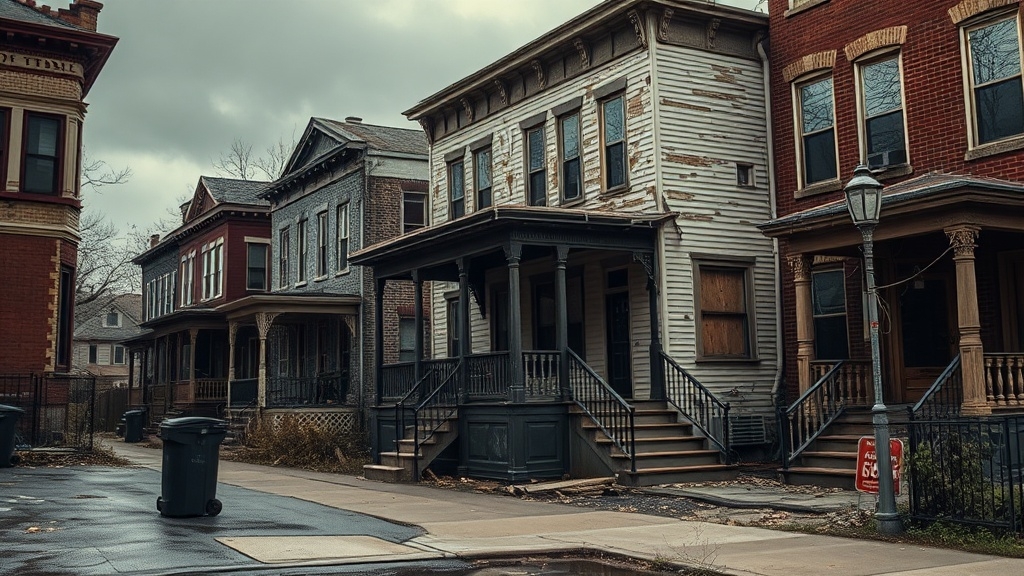


How Many Homes Sit Vacant in Chicago
Vacancy casts a long shadow over Chicago’s housing debate.
U.S. Census Bureau estimates show 1,258,704 dwelling units citywide, with a 10.2% vacancy rate, or about 128,796 vacant homes.
That figure appears large in raw numbers, yet it remains modest relative to overall housing need and offers limited slack in current market dynamics. Even if every longer-term vacant unit came back online, Chicago would still face a substantial housing shortfall.
At the same time, Chicago’s broader housing stress is worsening as the city led the nation in foreclosure starts during Q1 2025.
What the Counts Actually Capture
Census data divides vacant homes into two broad groups.
About 37.3%, or 38,450 units, are temporarily unoccupied.
Another 62.7%, or 64,589 units, are vacant for other reasons.
A separate city registry reported 6,521 vacant dwelling units in February 2023 because its rules cover only certain longer-term empty buildings.
These differences carry policy implications.
Available evidence indicates vacant homes alone are not a scalable answer to Chicago’s housing shortage.
Where Vacant Homes Are Concentrated in Chicago
Chicago’s empty-home burden is concentrated in long-disinvested South and West Side neighborhoods. Weak housing demand and limited reinvestment have allowed large clusters of vacant properties to persist.
These concentrations reflect years of decline tied to deindustrialization, suburbanization, foreclosure, and uneven recovery after the Great Recession.
In some neighborhoods, vacancy has reached levels associated with hypervacancy. In these areas, homes are more likely to remain empty rather than return quickly to use.
These long-vacant properties can also become targets for deed theft, a growing fraud risk that exploits weak public record systems and absentee ownership.
Land Patterns
The same geography appears in vacant land.
As of July 2023, Chicago owned about 8,800 vacant lots. More than 80% were in communities that were at least 80% Black, and less than 1% were in majority-white areas.
This racial clustering also overlaps with transit adjacency. Thousands of city-owned and privately owned vacant lots near CTA stations sit in mainly Black neighborhoods.


Why CHA Homes Stay Vacant for Years
Even as housing demand remains severe, hundreds of Chicago Housing Authority scattered-site homes have stayed offline for years.
The portfolio holds about 2,853 units, with 484 vacant, or roughly 17 percent. That rate closely mirrors 1999, indicating prolonged turnover failures despite a smaller portfolio.
Inspector general findings showed 174 units vacant for more than two years, with some sitting empty for 15 years.
Funding shortfalls have delayed repairs, which extends vacancies. Policy misalignment has also led to poor unit matching, leaving some available homes effectively unusable.
Operational breakdowns deepen these delays. Some buildings were unregistered, unsecured, or poorly maintained, which increased deterioration and later rehab costs.
Affordable housing systems also face thin reserves, limited revenue, and understaffed management. Together, administrative delays, deferred maintenance, and weak reinvestment keep units offline despite long waiting lists.
How Vacant Homes Affect Chicago Neighborhoods
Empty homes can steadily unravel block conditions, turning ordinary maintenance lapses into visible blight and recurring safety concerns.
In Chicago, long-vacant buildings often suffer accelerating roof, window, utility, and interior damage.
They can attract vandalism, dumping, trespassing, and unauthorized entry. This worsens blighted aesthetics and signals disinvestment.
Safety, Value, and Strain
Vacancy also affects community safety. Empty structures and lots can reduce everyday street presence and create hiding places.
As security problems intensify over time, they can also generate repeated police, fire, and inspection calls.
Research tied to Chicago found nearby sale prices often decline around vacant homes, especially in higher-poverty areas.
Lower values can weaken household wealth, strain the tax base, and deepen instability.
Concentrated vacancy also damages social cohesion, neighborhood confidence, and long-term well-being.
Which Fixes Could Return Vacant Homes to Use
Several repair and enforcement tools are intended to stop long-vacant houses from shifting from neighborhood burdens into usable housing. Chicago’s Rebuild 2.0 offers rehab financing for one-to-four-unit properties, using a $20 million state grant and low-interest loans to support repairs and resale.
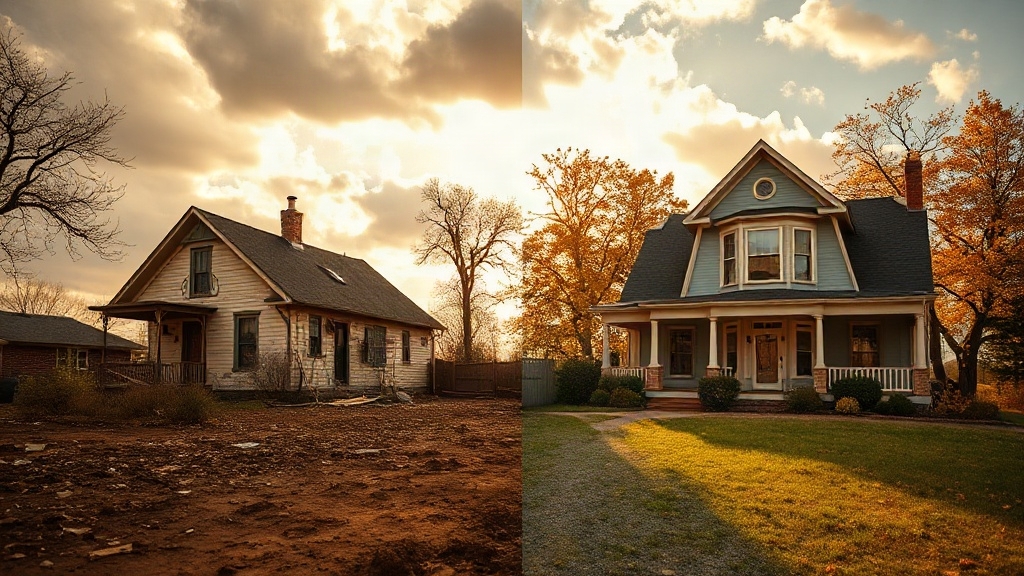
It can also divert some homes from demolition into renovation. Rebuild 2.0 expands beyond earlier target areas and aims to sell restored homes to buyers at or below 120% of area median income.
Illinois housing programs and SCP funds can help municipalities, counties, and land banks rehabilitate salvageable homes or remove those beyond repair. Vacant-property reporting, searchable code-violation data, and registration enforcement pressure owners to register within 30 days.
Owners must also post contact information and update a property’s status after reoccupation, sale, or demolition. Nonprofit intermediaries can help bridge contractor, screening, and financing gaps.
Assessment
Chicago’s vacant-home crisis remains concentrated in long-strained neighborhoods, where boarded properties deepen instability and slow recovery.
Years of delayed repairs, funding limits, legal barriers, and management failures have kept many units offline despite severe housing need.
The effects extend beyond empty buildings, contributing to property decline, safety concerns, and population loss.
Any credible response depends on faster rehabilitation, stricter accountability, and targeted reuse strategies that return neglected homes to occupied, functional housing stock.