

Why the U.S. Housing Crisis Keeps Getting Worse
Restrictive zoning and land-use rules continue to choke housing supply across much of the United States.
Local codes often block townhomes, starter homes, and small-lot projects in places with strong job growth.
Economists and housing analysts tie these barriers to a national shortage measured in the millions. Zoning reform remains slow, leaving too few homes where demand is strongest.
The shortage also reflects years of underbuilding after the Great Recession. Since 2000, the country has added millions fewer homes than needed, turning the deficit into a structural problem rather than a temporary one.
Permitting delays, parking mandates, and lot-size rules further limit projects. Builders also say regulatory costs now account for about 24% of the price of a typical single-family home. In Metro Denver, development fees alone average $68,000 for new single-family detached homes, showing how local charges can sharply raise final prices.
At the same time, mortgage lock-in reduces turnover. Owners with low rates stay put, cutting listings and keeping inventory unusually tight nationwide.
How High Prices and Rates Shut Buyers Out
Millions of households now face a housing market where both purchase prices and borrowing costs have moved beyond reach.
Average U.S. home values reached $357,445 in January 2026, nearly 33% above five years earlier. Pandemic-era gains pushed prices about 40% higher, while incomes failed to keep pace.
That gap has produced the worst affordability conditions in 35 years.
Qualification Barriers
Mortgage rates near 8% sharply raised monthly costs. On a $400,000 loan, the increase translated into roughly $1,100 more per month, leaving even unchanged prices unaffordable.
Greater mortgage literacy cannot offset budgets strained by elevated rates.
First-time buyers face added pressure from larger down payments, tighter underwriting, and weaker credit access. Many households that cannot qualify or afford ownership are pushed into renting instead, extending affordability stress across the market.
Rising inventory is moving the market closer to balanced-market levels, but that shift reflects a stall rather than the forced selling seen in a true crash.


How Low Supply Freezes the Housing Market
Scarcity now defines the housing market’s paralysis.
Listings remain far below demand after years of underbuilding, with estimates of the national shortfall ranging from roughly 1.5 million to 5.5 million homes. By late 2023, the gap was placed near 4.9 million units, underscoring an entrenched inventory freeze.
Turnover Grinds Down
Low supply also suppresses movement. With fewer homes listed, fewer buyers can advance, creating a turnover bottleneck that reduces completed sales.
Many owners remain locked into older low-rate mortgages, discouraging resale and keeping existing homes off the market.
Construction Lags Behind
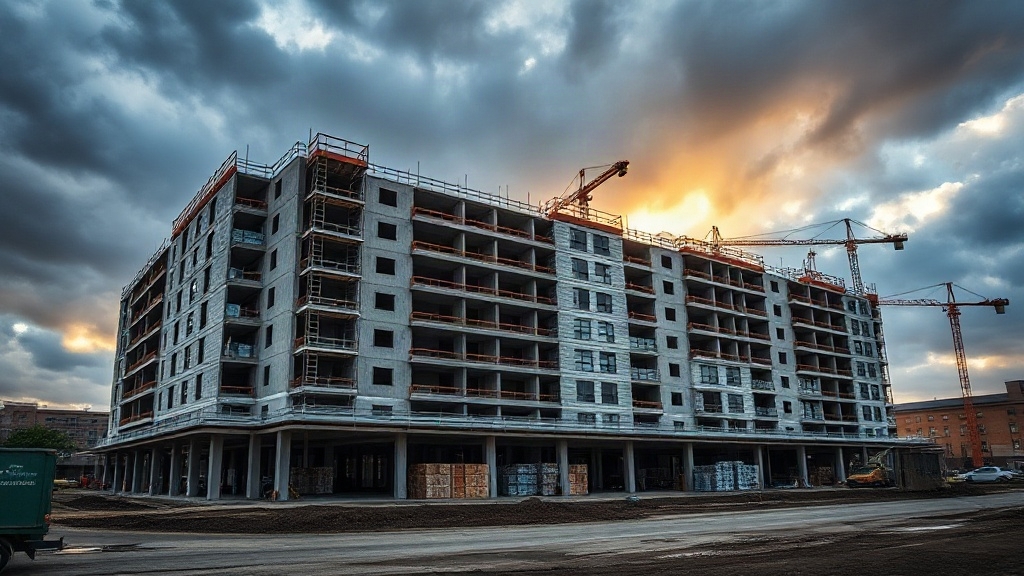
New building has not closed the gap. Annual housing supply has been running about 100,000 units below new demand, while permitting delays, zoning barriers, and land limits slow the market’s ability to rebalance quickly.
Where the Housing Shortage Hurts Most
Pressure is not spread evenly across the country.
Urban Institute analysis places the sharpest shortages in the Southeast, industrial Midwest, and parts of the Southwest. California and the upper Midwest show more modest gaps.
Alaska and North Dakota stand out as the only states with even small surpluses.
More than three-fourths of U.S. metropolitan areas are short on housing.
The deepest metro shortages include Newark, Cincinnati, Little Rock, and San Bernardino.
High-Demand Markets Under Strain
Zillow-based reporting points to the Pacific and Atlantic coasts as especially strained. New York and Los Angeles carry the largest overall deficits.
Shortages hit hardest where job growth and population gains outpace supply. This intensifies pressure near public transit and contributes to rural displacement.
Riverside, Oxnard, and Yakima also rank among the heaviest underproduction markets nationally.
What Could Help Fix the Housing Crisis
Expand supply, cut delays, and target aid more directly are among the main policy levers identified by housing analysts.
They point first to zoning reform, especially near transit, where denser housing can lower land costs per unit.
Ending exclusionary rules, lifting minimum lot sizes, and allowing by-right development can also make smaller projects feasible.
Key Interventions
- Streamline permitting, standardize approvals, and reduce impact fees to cut soft costs and shorten construction timelines.
- Expand housing vouchers and other rental assistance so low-income households can better reach private-market rents.
- Finance social housing, use public land, and support modular building to add durable affordable supply.
Analysts also note that weatherization, electrification, and stronger codes in high-risk areas can reduce long-term household costs.
Assessment
The U.S. housing crisis continues to push many buyers out. High prices, elevated mortgage rates, and limited inventory keep reinforcing one another.
In many regions, the shortage is most severe where job growth and population gains remain strongest.
Without meaningful increases in supply and some easing in borrowing costs, affordability is likely to stay strained.
The result is a market defined by stalled mobility, delayed homeownership, and widening pressure on households across the country.