

What This Chicago Office Conversion Includes
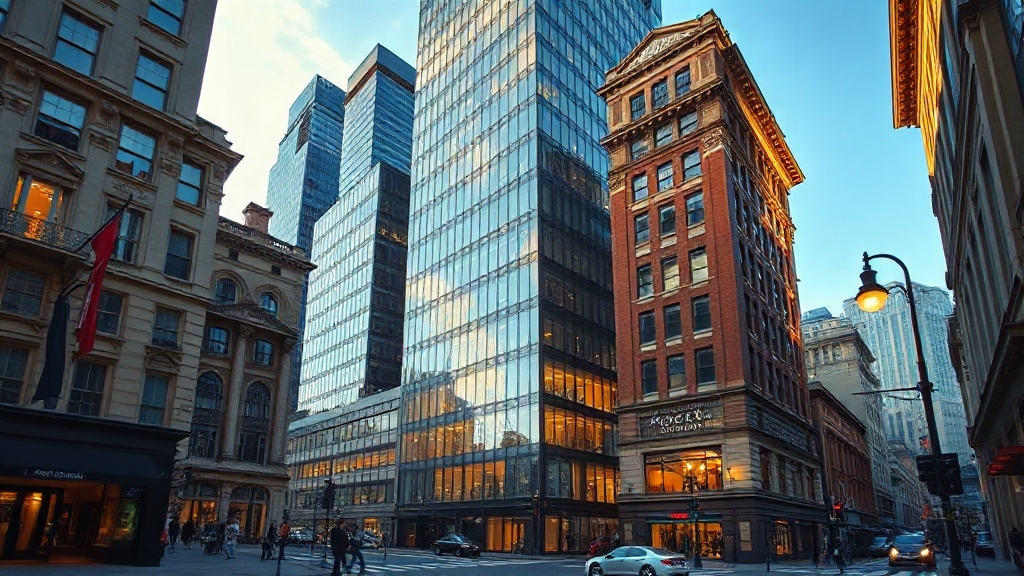
Inside the Chicago conversion effort, the redevelopment centers on turning office floors into housing at a scale that signals rapid change for underused downtown buildings. Chicago’s broader push includes the LaSalle Reimagined initiative, which is driving major office-to-residential proposals in the downtown core.
Upper Floors Shift to Residential Use
The plan covers multiple floor bands in different properties, including floors 7 through 14, floors 13 through 16, and floors 3 through 18.
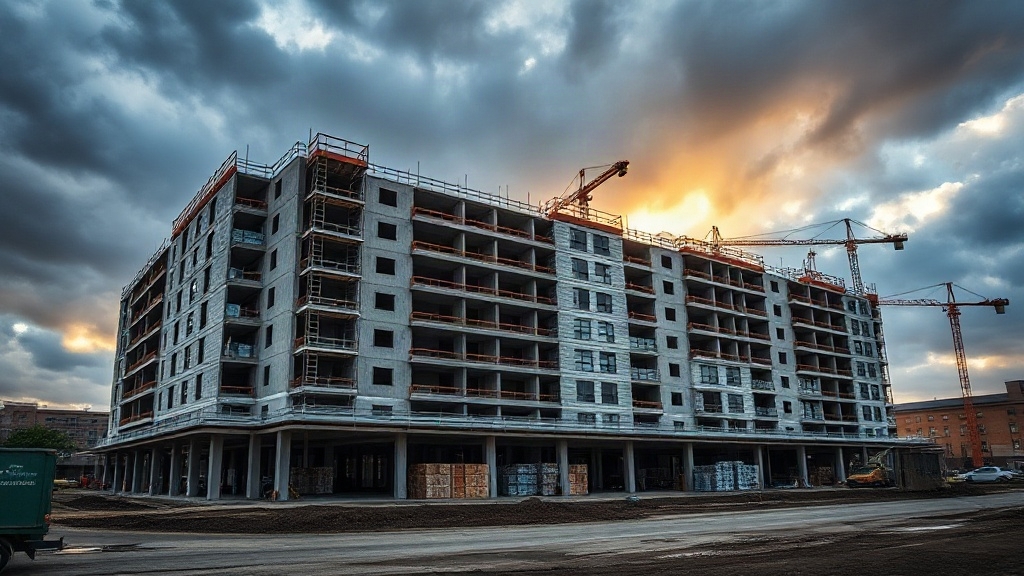
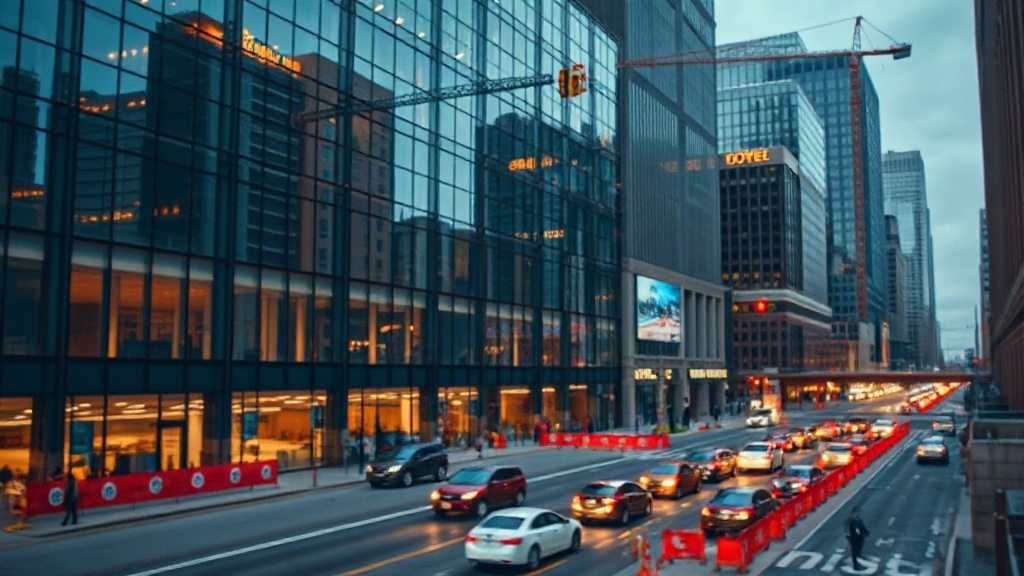
In River North, the upper six stories of a 10-story building are being remade as apartments.
Existing ground-floor retail tenants, including Roka Akor and Tarry Coffee, remain in place during construction.
Mixed-Income and Street-Level Components
Affordable housing is embedded across the conversion program.
This supports a mixed-income model aligned with city adaptive reuse incentives.
The project also emphasizes streetscape activation through retail, restaurants, cultural attractions, and lifestyle services at street level. Nationally, office conversions now account for 42% of adaptive reuse projects, underscoring how mainstream this redevelopment model has become.
The financing structure relies on public incentives supporting private investment.
How Many Units the Project Could Add
Across Chicago’s office-to-residential pipeline, 11 projects are expected to produce about 3,600 new apartments. That underscores the scale of housing that could emerge from underused downtown buildings.
Within that broader shift, the project’s potential unit yield can be understood alongside comparable downtown conversions.
At 208 S. LaSalle, 225,000 square feet is being repurposed into 226 units. At 111 W. Monroe, 315,000 square feet supports 345 units.
At 79 W. Monroe, 100,000 square feet is slated for 117 units.
These density metrics indicate that downtown office conversions can generate substantial housing from existing floor area.
Other approved examples reinforce that pattern, including 349 units at 30 N. LaSalle. The Field Building is also set to deliver 386 apartments.
Together, these figures help frame how many homes this project could ultimately add. Broader real estate strategy in 2026 is also being shaped by regulatory traps that could influence financing, pricing, and investor timing.


Why the Building Adds Two Stories
In practical terms, the two-story addition reflects a mix of structural capacity, regulatory support, and economic efficiency. Together, these factors make limited vertical expansion feasible in a downtown office conversion.
Structural analysis indicates many older Chicago office buildings were engineered for heavier loads than apartments require. That reserve capacity makes two added stories more manageable.
Tall floor-to-ceiling dimensions and aligned utility shafts also help. They reduce the complexity of adding new residential space.
| Factor | Why It Matters | Effect |
|---|---|---|
| Foundations | Often overbuilt | Limits new work |
| Steel frame | Supports added loads | Enables housing |
| Utility shafts | Already aligned | Cuts complexity |
| Zoning incentives | Streamline approvals | Reduces delay |
| Existing cores | Reuse elevators, stairs | Lowers cost |
Zoning incentives and existing building cores further support the approach. Reusing elevators and stairs helps lower costs and speeds up approvals.
Two stories also fit the economics. They can expand area by roughly 25 to 30 percent without land costs.
This added space comes while reusing infrastructure and avoiding extensive demolition. That combination makes the expansion more efficient financially.
How Affordable Housing Affects the Plan
Because Chicago’s LaSalle Street Reimagined program requires at least 30 percent of units in each project to be affordable, the office conversion plan is shaped as much by housing policy as by engineering or design.
That threshold is higher than the city’s usual 20 percent requirement for subsidized or rezoned projects.
Affordable units are reserved for households earning 60 percent or less of area median income, roughly $53,000 annually.
Incentives Drive Mixed-Income Delivery
The mandate also determines financing mechanisms.
Developers seeking to make conversions viable rely on TIF, historic tax credits, low-income housing credits, and HUD mortgage insurance.
City support of $250 million to $300 million is intended to catalyze $900 million in private investment.
Community engagement also matters, because the affordable set-aside ties downtown redevelopment to broader housing needs.
Which Chicago Conversion Projects Offer Context
Examples already moving through Chicago’s pipeline show how the policy framework is being applied building by building.
Six LaSalle Corridor adaptive reuse projects account for nearly $900 million in investment, plus roughly $250 million to $300 million in city incentives.
Five were under construction or nearing groundbreaking by early 2025, adding about 1,400 downtown units.
Landmark Conversions Test Demand
At 79 W. Monroe, the 1905 Rector Building became the first project to break ground, converting upper floors into 117 units, including 41 affordable.
It offers a clear example of historic preservation aligned with current housing needs.
Prime Group’s 208 S. LaSalle and Golub’s 30 N. LaSalle add further context.
Together, they show how market dynamics, affordability targets, and large-scale floor-by-floor conversions are reshaping aging office towers in the Loop.
Assessment
The proposal reflects growing pressure to repurpose underused downtown office space as Chicago confronts shifting demand, housing shortages, and affordability mandates.
If approved, the conversion would expand residential capacity while reshaping the building through a two-story vertical addition.
The plan also underscores the financial and regulatory strain tied to adaptive reuse in the city.
Its outcome could influence how similar office-to-residential projects proceed across Chicago’s central business district.