

Key Takeaways: The fire is only the first disaster. The second one arrives by mail, in the form of a claim decision built on fine print you never read: a vacancy clause, an actual-cash-value schedule, a policy written for the wrong kind of occupancy. Investors survive fires with the right policy bought before the loss, documentation gathered before the adjuster arrives, and a refusal to accept the first number as the final one.
It happens at 3:12 in the morning, and it happens the way it always happens.
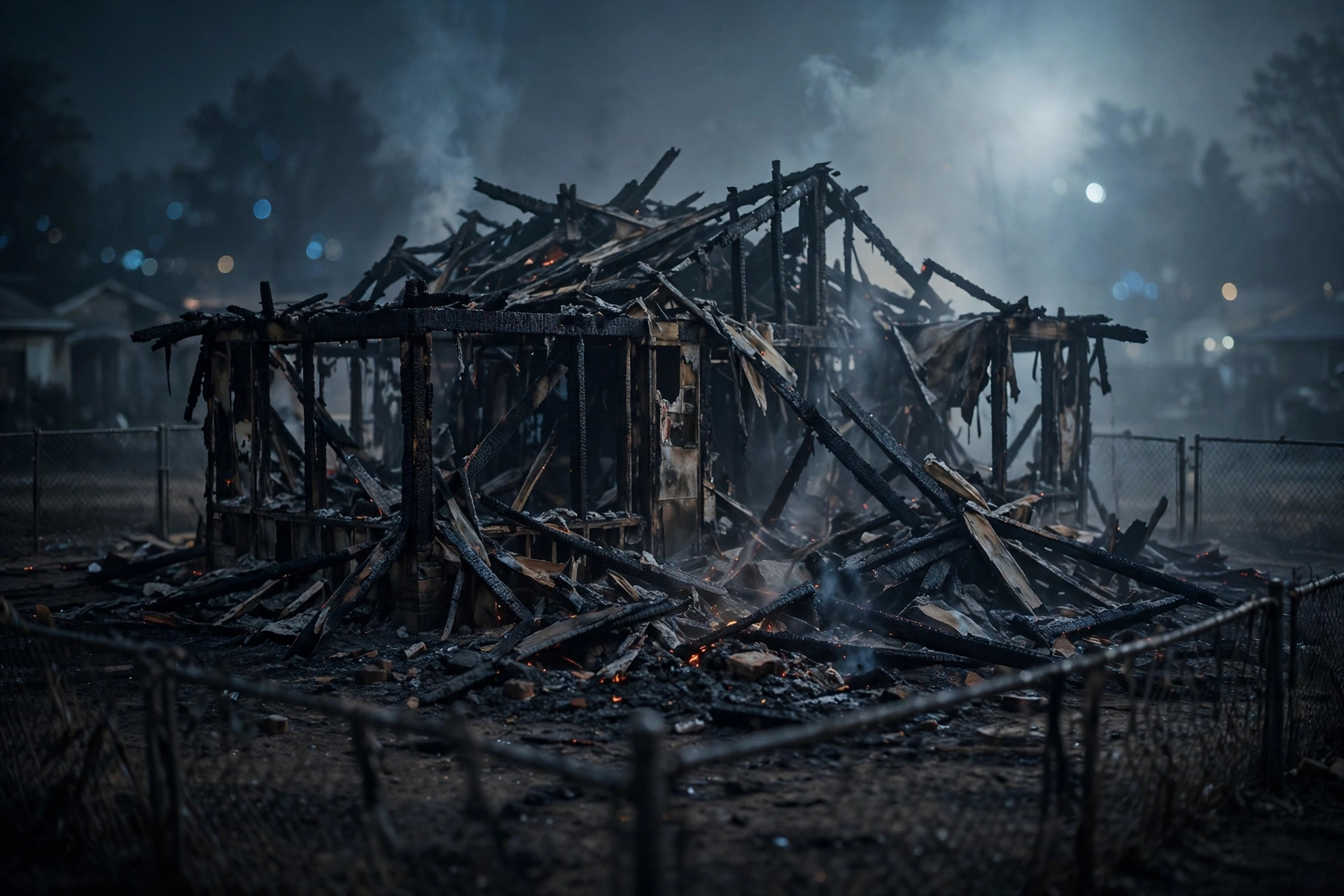
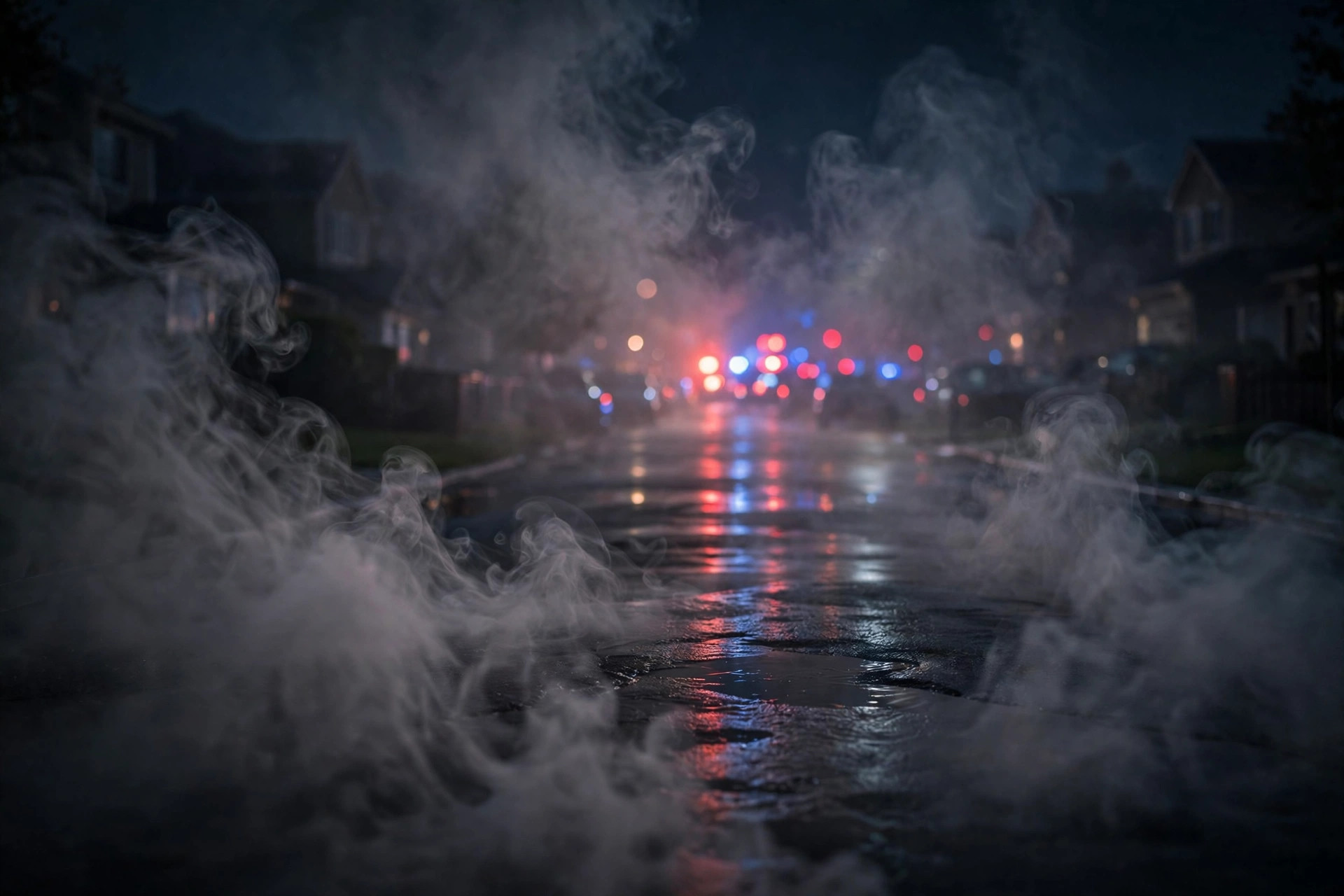
Not to you. To your tenant, who calls you standing in the street in whatever she grabbed on the way out, watching your property light up the block. You throw on clothes. You drive too fast. By the time you get there, the trucks have the street, the hoses have the yard, and the roof you replaced four years ago is opening to the sky like a mouth.
Everyone got out. Say that first, because it is the only sentence in this story that matters more than money.
Everyone got out.
The fire itself takes twenty minutes to do the worst of it. Fire is honest that way. It comes, it eats, it leaves, and it never once pretends to be your friend.
The thing that arrives to help you is the one wearing the smile.
The Nightmare You Paid For, Monthly
Roll the tape back, because this horror was purchased in advance, in installments, like all the best ones.
Every month for six years, you paid the premium. You paid it when rents were late. You paid it when the roof leaked and the water heater died in the same week. You paid it because insurance is the one bill in this business that is supposed to be a promise: if the worst night of your investing life ever comes, you will not face it alone or broke.
The policy lived in a drawer, or a folder, or a portal you logged into twice. Forty-some pages. You read the first one, the one with the big number on it, the dwelling coverage, the number that made you feel safe.
$385,000. Surely that is enough. Surely that is the point.
You did not read page thirty-one.
Nobody reads page thirty-one. Page thirty-one is where the vacancy clause sleeps, the one that shrinks or voids coverage when a property sits empty past a set number of days. Page thirty-one is where the roof you were so proud of gets valued not at replacement, but at its depreciated, actual cash worth, which is a phrase that means whatever we say a nine-year-old roof is worth, and the answer will make you sit down.
Page thirty-one is where the policy explains, in language smooth as glass, that the house you insured as a rental was rated, somewhere along the way, in a way that does not match how it was actually used.
You did not lie. Your agent clicked the wrong box in 2021, or you did, or nobody did and the paperwork drifted the way paperwork does. It does not matter whose ghost is in the machine.
On the worst night of your life, the fine print stands up and introduces itself.
The Adjuster’s Smile
He is kind. Let that be said. He brings a tablet, a moisture meter, and the calm of a man who has walked through four hundred burned houses and will walk through four hundred more.
He photographs everything. He sympathizes, genuinely. He explains the process, the depreciation schedule, the deductible, the investigation, because every fire is investigated, and for a few suspended days you will feel the strangest guilt, standing in your own ashes, hoping the paperwork proves you are not a criminal for owning a house that burned.
Then the first number comes.
Expectations:
- coverage means the house gets rebuilt
- the big number on page one is the number
- the company you paid for six years is on your side of the table
Reality:
- coverage means the contract gets interpreted, by the party that wrote it
- the big number is a ceiling you will never touch, not a floor you stand on
- the adjuster is professional, and the adjuster does not work for you
Actual cash value, defined: the value of damaged property at the moment of loss, calculated as replacement cost minus depreciation for age and wear. For roofs, kitchens, and systems, the gap between actual cash value and real replacement cost routinely runs to tens of thousands of dollars. Replacement cost coverage pays to rebuild. Actual cash value pays what the ashes were worth. The difference is the second fire.
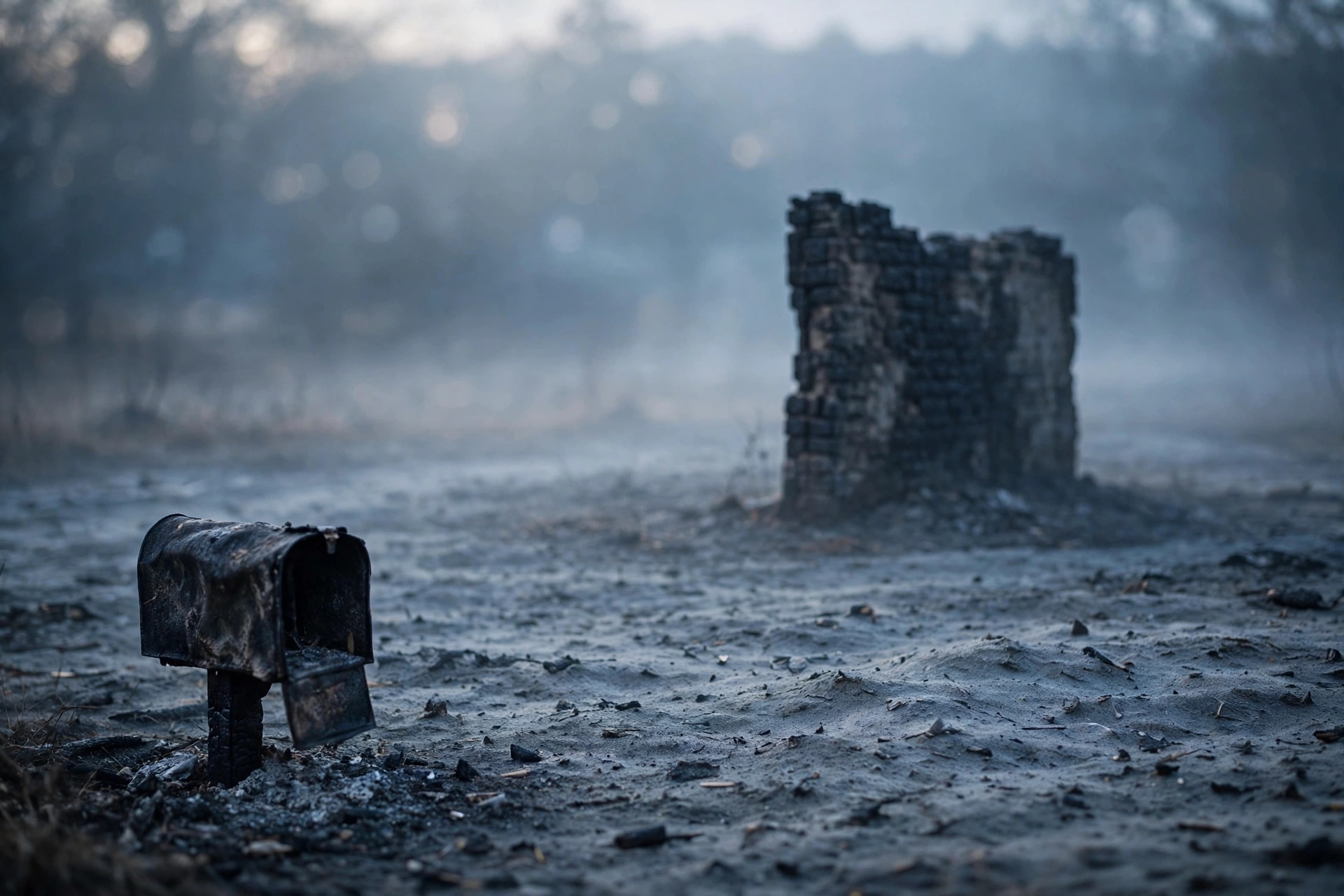
The offer covers the structure at depreciated value, disputes the smoke damage in the rooms the flames never touched, and treats your lost rent as a short bridge instead of the long road it is about to become. It is not an insult, exactly. Insults are personal.
It is an opening position, delivered by a smile, in a burned kitchen.
And above it all hangs the clause. The tenant had moved out eleven days before the fire. A new lease was signed, starting the following week. Eleven days of vacancy, inside a policy with a thirty-day clause, and for one held breath the company studies whether your house was, at the moment it burned, the thing your policy said it was.
It was. Barely. This time.
The investors reading this with a property sitting empty between tenants, or mid-renovation, or listed and waiting, should feel the temperature of the room change. Yours is the exact posture page thirty-one was written for. Properties in that twilight state are where claims go to be argued, the same twilight that haunts The Rental That Got Banned, where a single line of rules decides whether the business exists at all.


Nineteen Months of Ash
The fire took twenty minutes.
The claim took nineteen months.
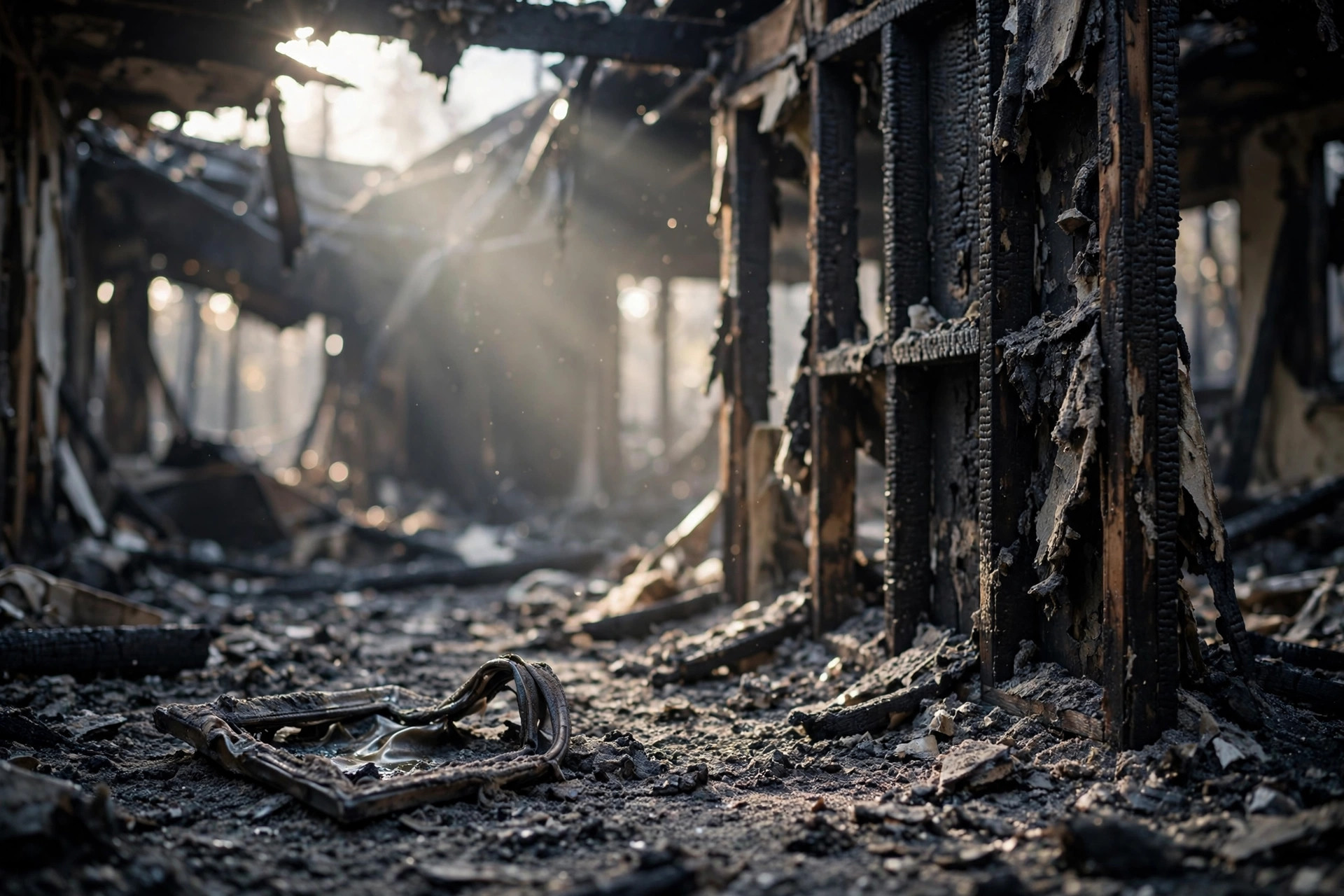
Nineteen months of a mortgage payment on a house nobody can live in. Nineteen months of a lot that must be fenced, boarded, and insured in its ruin, because liability does not burn. Nineteen months of the city sending letters about the property’s condition, as if you had chosen the condition. The same slow calendar bleed that devours investors in The Dream That Died in Debt, except this time the house is not underwater on paper.
It is gone in person.
| The Second Fire | Amount |
|---|---|
| Rebuild Cost, Real World | $402,000 |
| First Offer From the Insurer | $261,500 |
| Mortgage Payments During the Fight (19 months) | $35,150 |
| Lost Rent During the Fight | $36,100 |
| Public Adjuster Fee (10% of the recovered increase) | $9,840 |
| Final Settlement After Negotiation | $359,900 |
Read the table like a coroner reads a report. The fire’s damage is one line. Everything below it is the paperwork.
The gap between the first offer and the final settlement is not a rounding error. It is ninety-eight thousand dollars that existed only for owners willing to fight for it, document for it, hire for it, and wait nineteen months for it. Owners who take the first number, and many do, because exhaustion is the insurer’s quietest adjuster, fund that gap out of their own lives.
This is where the story stops being about flames at all. It is about the costs stacked underneath every property that nobody prices on purchase day, the compliance and protection costs investors underestimate, and the structural mistakes, like holding a property in a form the policy never contemplated, that echo the legal problems caused by improper entity setup. The fine print does not care that you meant well.
Fine print only cares that you signed.
The Survival Steps
The survival steps to keep a fire from burning you twice:
- Buy replacement cost, and prove it yearly. Confirm the dwelling limit against real rebuild costs in your market, not against what you paid for the house. Underinsurance is a slow arson you commit against yourself.
- Match the policy to the property’s actual life. Rental, vacant, renovating, short-term, each state has its own policy form and its own clauses. If the property’s status changes, the call to your agent happens that week, not at renewal.
- Read page thirty-one. Vacancy clauses, roof schedules, water damage caps, loss-of-rent limits. One evening with a highlighter is the cheapest education in this entire business.
- Document the house before anything happens. A dated video walkthrough and a photo inventory, stored off-site, turn claim arguments into claim arithmetic.
- Never treat the first offer as weather. It is a negotiation opener. Independent estimates, a contractor’s real bid, and where the gap justifies it, a licensed public adjuster change outcomes by five and six figures.
- Know your referee. Every state has an insurance commissioner with a complaint process, reachable through the National Association of Insurance Commissioners. Filing is free, and companies answer regulators with a speed they rarely show owners.
- Keep the mortgage current, and tell the lender everything. Claim checks on larger losses often involve the lender, and a lender surprised is a lender slow. The debt does not pause for the disaster. Plan the carry before you need it.
The house is rebuilt now. It took nineteen months, two winters of a fenced lot, and a fight that aged everyone it touched. New roof. New kitchen. A tenant who does not know the address has a before.
On the anniversary, the owner drives by at night sometimes, the way you pass a place where something almost ended you. The windows are warm. The street is quiet. The promise, in the end, was kept, most of it, late, and only because it was dragged into the light and made to perform.
The fire was never the worst part of the story.
The fire was twenty minutes.
The fine print was forever.
Happy Halloween from the True Horrors of Real Estate Investing series. The monsters are real. They are just made of paper.