
What’s Planned for the South End Warehouse?
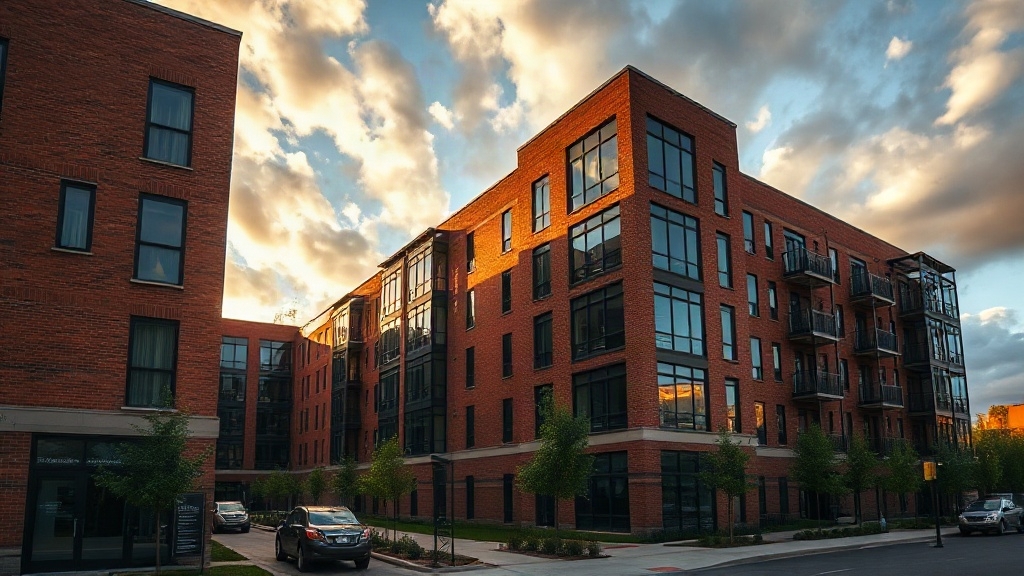
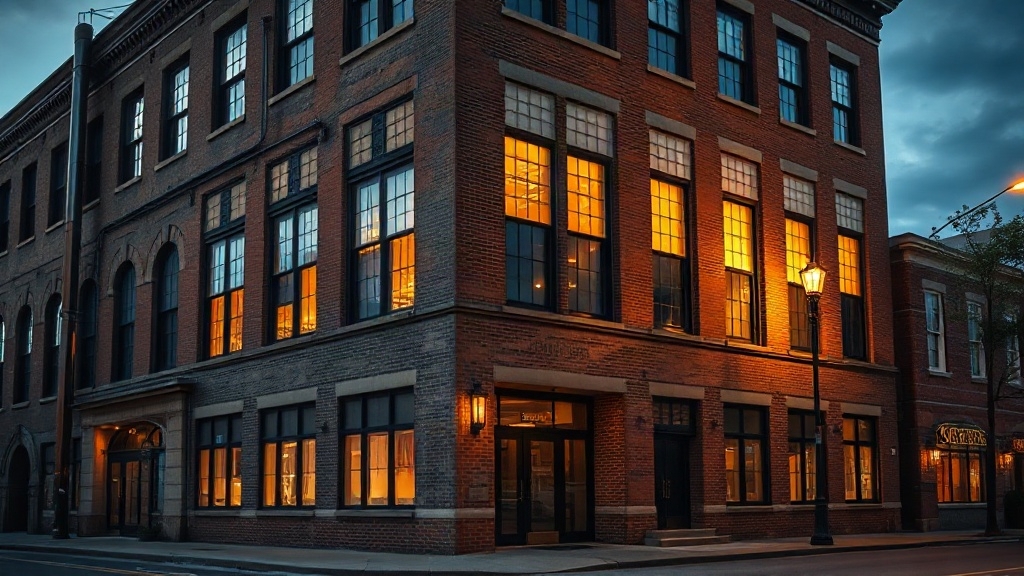
A nearly 100-year-old brick warehouse at Camden Road and South Tryon Street is slated to become a hotel. The plan preserves the existing structure rather than replacing it with new construction.
Built between 1922 and 1928, the warehouse originally served as a regional distribution center for Hajoca Corp. Its corner location is in one of South End’s busiest redevelopment corridors, where commercial and residential investment has accelerated. Designed by Louis H. Asbury Sr., the building is a rare surviving example of his commercial work, according to the Charlotte-Mecklenburg Historic Landmarks Commission.
The hotel’s room count and renovation timeline have not been provided. Those details will clarify the project’s planned scale and schedule once disclosed.
For now, the stated plan is to give the warehouse a new use while incorporating its long-standing brick structure into South End’s changing mix of uses. The project’s progress will depend on further development information. Nashville’s hotel boom shows how mixed-use development can drive demand for new accommodations in changing urban districts.
Why Could the Hajoca Warehouse Become a Landmark?
The Hajoca Warehouse’s age, industrial history and architectural rarity underpin its case for landmark status in South End.
Designed by Charlotte architect Louis H. Asbury Sr., identified as North Carolina’s first native-born, professionally trained architect, the building is a rare surviving example of his commercial work.
Its brick warehouse form and retained industrial features reflect early twentieth-century design and Asbury’s architectural legacy.
Built during the 1920s, the property originally served as a regional warehouse for Hajoca, a national plumbing and building-supply company.
Its location near freight lines, factories and warehouses connects Hajoca’s industrial history to Charlotte’s post-World War I expansion and South End’s growth as a textile and financial center.
Commission staff unanimously recommended landmark status. Proposed protections would extend beyond the exterior to selected interior structural elements, including uncommon reinforced-concrete and hollow-tile floor decks.


How Could Landmark Status Help Fund the Hotel?
If approved, landmark status could help finance the South End hotel conversion by making certified rehabilitation work eligible for federal and North Carolina historic tax credits.
North Carolina says qualifying projects may receive a 20% federal credit and a state credit of 15% to 25%.
Credits apply to certified rehabilitation work, not acquisition costs, additions, site work, or personal property.
- Lower rehabilitation costs: Credits can reduce the net expense of eligible work, including structural and code upgrades.
- Support financing: Historic tax credit financing can strengthen lender confidence and help fill gaps between debt and equity. Credits may be claimed when the building enters service.
- Improve reuse economics: Adaptive reuse economics depend partly on offsetting older-building renovation costs while creating hotel revenue.
- Protect historic fabric: Proposed interior protections could reinforce preservation standards and support a certified rehabilitation.
Cost segregation studies may also help optimize deductions by classifying eligible building assets under IRS guidelines.
When Will Charlotte Decide on the Warehouse?
Charlotte’s Historic Landmarks Commission is scheduled to decide on October 27, 2026, whether the former Fowler Building in South End will receive local landmark status.
The October 27 vote is the next major milestone for the 1920s warehouse at Camden Road and South Tryon Street. New filings reported October 12 indicate the date remains scheduled.
The commission’s designation decision follows a unanimous June recommendation from its Survey Committee.
The proposal covers the exterior brick shell and selected interior structural features, including reinforced concrete and hollow-tile floor decks. That interior scope is unusual for commercial landmark listings.
If approved, the designation would establish preservation controls and allow the project to move into its next redevelopment-planning phase.
The timing matters because landmark approval could make historic tax credits available, helping align financing and incentives before final redevelopment moves ahead.
How Does the Hotel Fit South End’s Growth?
While the October 27 landmark vote will shape the warehouse’s preservation path, the proposed hotel conversion also reflects South End’s growing demand for upscale lodging.
A Supply Gap in a Growing District
South End hotel demand reflects the neighborhood’s shift from industrial district to dense mixed-use corridor.
White Lodging identifies it as a priority growth market, yet says the area has only one select-service hotel.
- Corporate clients need accommodations near offices and jobs.
- Leisure visitors can access dining, entertainment, and residences.
- Tech and creative-sector tenants add demand for premium lodging.
- The warehouse reuse would place hotel rooms within the established urban fabric.
The proposal also fits a wider hospitality buildout.
A 295-room Autograph Collection hotel is under construction at South Tryon and Bland streets, with meeting space and a restaurant.
The location’s neighborhood walkability supports car-light stays, while reuse preserves a historic building amid new development.
Together, these projects suggest hotel investment is following South End’s growth.
Assessment
The proposed hotel conversion would give Charlotte’s 105-year-old Hajoca Warehouse a new use while preserving its historic character, subject to city review and financing.
A landmark designation could help the project access rehabilitation tax credits, but it would also bring preservation requirements.
The decision will determine whether the building can support a hotel project and remain part of South End’s changing streetscape.