

Oakwell Estate Sold for $13 Million
In a closely watched preservation deal, the 13-acre Oakwell Estate in Villanova sold for about $13 million after the Lower Merion School District authorized the transaction. The sale marked a decisive shift from earlier consideration of athletic fields toward long-term conservation. Natural Lands purchased 10 acres for roughly $10 million as part of the preservation deal.
It followed years of public dispute over the property’s future and concern about redevelopment pressure. The estate contains nearly 700 trees, including many old growth specimens regarded as historic trees within the broader setting. Similar public debates in other regions have underscored the role of community engagement in shaping land use outcomes.
Preservation planning was shaped in part by the site’s setting significance and the likely zoning impact of any intensive new use. Reporting described the outcome as protecting the estate from demolition or field conversion.
The preserved grounds are expected to remain tied to the property’s historic design, with conservation measures guiding future stewardship and land management.
How the Oakwell Estate Sale Was Split
Rather than transferring Oakwell Estate to a single buyer, the roughly $12.9 million deal was split into two separate sales. Natural Lands acquired the 10-acre County Line Road parcel for $9.9 million, while the nonprofit later identified as the Wyncote Foundation purchased the 3-acre Acorn Cottage and mansion parcel for $2.9 million.
Parcel Breakdown
| Buyer | Acres | Price |
|---|---|---|
| Natural Lands | 10 | $9.9M |
| Wyncote Foundation | 3 | $2.9M |
| Combined total | 13 | $12.9M |
The transfers were handled separately, reflecting distinct preservation roles. Natural Lands planned to connect its tract with neighboring Stoneleigh.
Wyncote focused on restoring the historic structures. The arrangement also clarified zoning implications and supported community engagement around long-term stewardship. Broader housing pressures, including the lock-in effect, have also made preservation-oriented land transactions more notable in today’s constrained market environment.


Why the Oakwell Deal Ended the Fields Fight
The split sale also settled the dispute that had defined Oakwell for six years.
The conflict began in 2018, when Lower Merion School District used eminent domain to stop a planned Villanova sale and pursue middle school athletic fields.
That move triggered sustained opposition over tree loss, historic preservation, and community input.
By 2023, SHPO found the estate eligible for the National Register, creating legal precedent and new limits on demolition.
Final Board Action Closed the Dispute
The unanimous August 2024 vote to sell removed the site from the district’s field plans.
That decision permanently canceled the proposed Black Rock Middle School playing fields and ended the underlying purpose of the taking.
With the land transferred for about the original purchase price, the long-running legal and political fight effectively ended there.
What Natural Lands Will Do With Oakwell Estate
Natural Lands would acquire about 10 acres of the 13-acre Oakwell estate and fold that tract into the adjacent Stoneleigh public garden. This would reunite two historically linked environments under a preservation-focused plan.
The organization’s role centers on conservation, not institutional expansion. The land once slated for athletic fields would instead become part of a larger protected grounds.
Natural Lands is expected to place its portion under a conservation easement with the Lower Merion Conservancy. That framework is intended to protect mature trees, watershed conditions, and habitat connectivity across the site.
As part of Stoneleigh’s expansion, the added acreage would support new garden areas and broader garden education opportunities. The plan also emphasizes ecologically sustainable gardening and restoration-oriented stewardship.
Improvements would also be aimed at access, interpretation, and the overall visitor experience.
What’s Next for the Oakwell Mansion
Following the June 2026 closing, the three-acre Oakwell mansion parcel moved to the Wyncote Foundation in a roughly $3 million transaction.
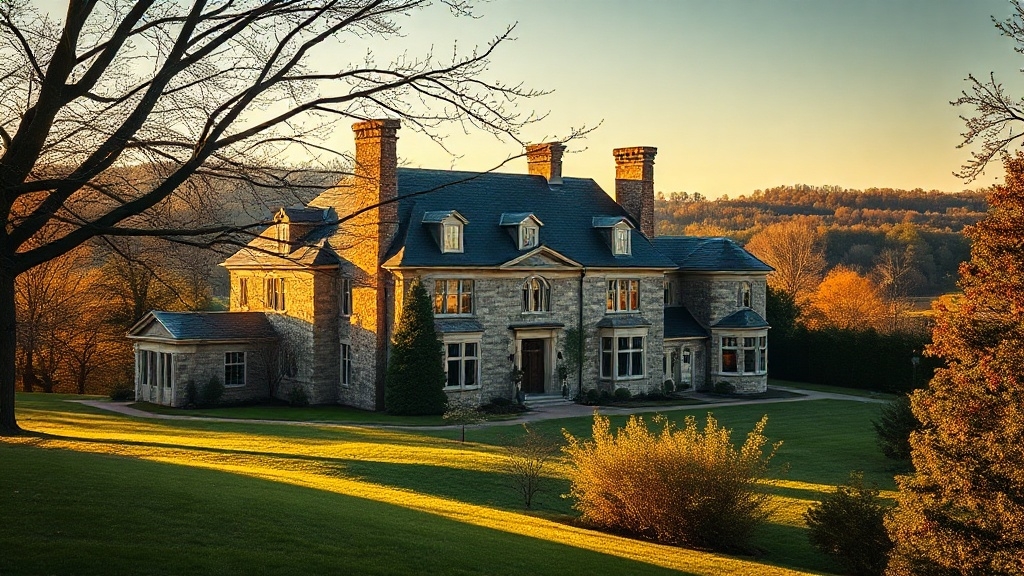
The sale set up the circa 1922, 20,000-square-foot brick Tudor Revival home for restoration and preservation.
Unsettled Path Ahead
Public plans remained pending after the sale.
Officials had indicated the mansion would stay intact, with adaptive reuse likely tied to Stoneleigh and future community engagement.
| Topic | Status |
|---|---|
| Owner | Wyncote Foundation |
| Size | Three acres |
| Mansion | Circa 1922 Tudor Revival |
| Condition | To be restored |
| Access | Not yet public |
Potential Roles
Earlier district discussions pointed to educational uses.
Examples included a student art gallery, a nature and study center, or a conference center.
All were framed as complementary to Stoneleigh rather than separate redevelopment.
Conservation easements were expected to reinforce long-term stewardship.
Assessment
The $13 million Oakwell transaction secured permanent conservation of a prominent Villanova estate. It also resolved a long-running local land-use conflict.
Its structure balanced public funding, private preservation, and future stewardship. That approach prevented a more divisive development outcome.
With Natural Lands assuming control of most of the property, the estate’s future was significantly reshaped. The mansion is set for separate disposition, creating a durable framework for protecting one of the Main Line’s notable environs.