

Why Did The Galleon’s Repair Bill Reach $36 Million?
The Galleon’s repair costs climbed as the project expanded far beyond its original scope. The initial contract covered a $1.6 million structural restoration, but the association approved additional work as construction progressed.
Numerous owner-approved changes and added contracts broadened the project beyond its original agreement. The contractor attributed the final $36 million bill to the expanded scope selected during repairs, describing the increase as a direct result of decisions made while work was underway. Unforeseen repairs can turn an optimistic renovation budget into a much larger financial burden.
The project had continued for about five years by the time the total was reported. That prolonged schedule added carrying costs through extended supervision, administration, and construction staging. Repeated crew mobilization and rising labor and material prices can also increase expenses over time. Owners also raised concerns about repeated failed repairs to cracks on a 14th-floor balcony.
For owners, the growing project cost translated into reported assessments of $135,000 to $320,000 each.
What Structural Repairs Expanded The Galleon’s Project?
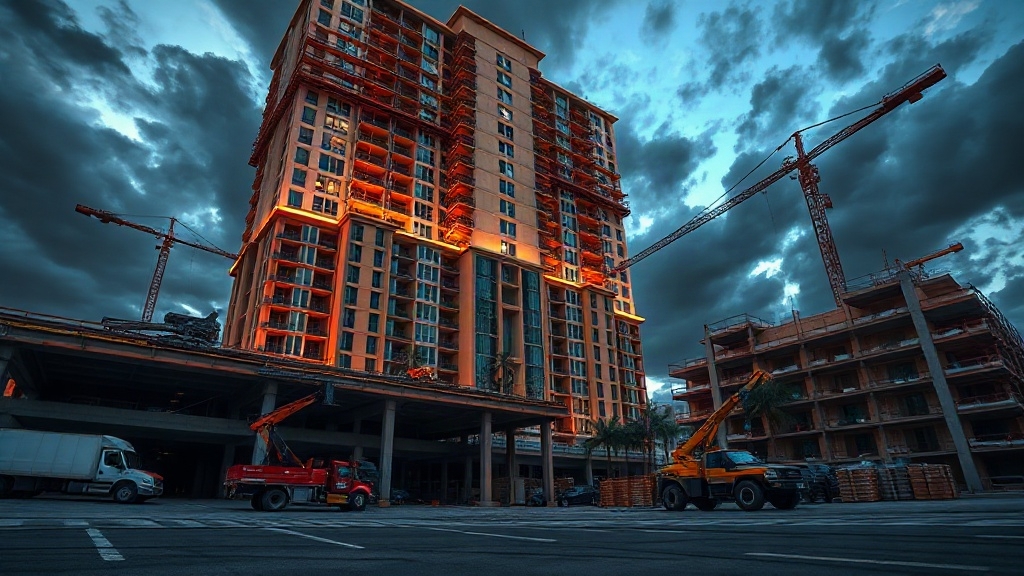
What began as a roughly $1.6 million concrete restoration grew into a building-wide repair effort spanning multiple floors and common areas. The original agreement covered a limited amount of structural work, but the scope widened as construction proceeded.
The added work involved extensive concrete restoration across several floors, rather than repairs confined to one location. Owner-approved change orders and additional contracts brought more structural work into the project.
The contractor attributed the expanded cost to both the original agreement and these later additions. Pool deck reconstruction also became a visible part of the overhaul.
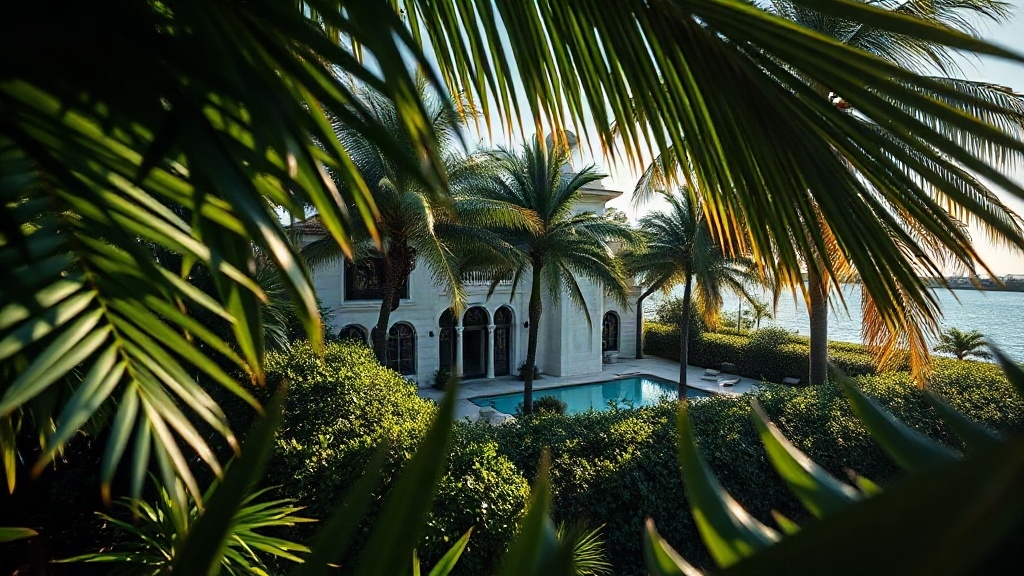
The pool area was stripped back to a concrete platform, and the patio was similarly reduced to a platform during construction. These disruptions affected beachfront common spaces and left parts of the property resembling a construction zone.
The multi-floor restoration continued for about five years, turning a limited job into a broad concrete repair program. Across Tampa, rising insurance costs are adding pressure to condo projects already facing financial and legal hurdles.


Why Do The Galleon’s Assessments Reach $320,000?
While the expanded repair project raised the building’s overall bill, unit owners face different charges based on unit size and ownership share.
The Galleon’s special assessment is not a flat charge. Reported bills range from about $135,000 to $320,000 because each owner is responsible for a proportional share of the project costs.
Larger units generally carry greater ownership percentages and therefore owe more. The highest reported amount applies to owners with the largest proportional obligations, not every resident.
Assessments are divided among the condominium’s ownership base rather than collected as one equal payment from all units.
The total repair bill also rose sharply, from an initial estimate of $1.6 million to about $36 million. That expanded cost, alongside a project lasting roughly five years, increased the financial burden passed directly to owners through special assessments.
How Do Florida’s Post-Surfside Rules Affect Owners?
Florida’s post-Surfside rules raise the stakes for condo and cooperative owners by requiring structural inspections, stricter reserve funding, and faster repairs.
Associations must arrange inspections for buildings at least three habitable stories tall. Inspections begin with a visual review and advance to deeper analysis if substantial deterioration is found. Coastal buildings may face earlier deadlines.
After Phase 2 findings, associations generally must begin repairs within 365 days, subject to applicable rules.
Structural Integrity Reserve Studies must address major components, including roofs, walls, plumbing, and electrical systems. Many associations must fully fund required reserves.
If reserves cannot cover the work, boards may raise dues or levy special assessments. Non-emergency assessments require 14 days’ written notice stating their purpose.
These obligations compress inspection, budgeting, and repair schedules, increasing near-term financial pressure on owners.
Why Are Aging Florida Condos Facing Similar Bills?
Aging Florida condos often face similar bills because roofs, concrete, plumbing, elevators, and other systems can reach the end of their useful lives at the same time.
Salt air, humidity, and storms can accelerate wear, while deferred maintenance allows minor defects to become structural projects.
Aging infrastructure, shared failures
Inspections may uncover concrete spalling, corroded rebar, leaking roofs, or damaged balconies.
Because these materials deteriorate in predictable ways, older buildings often receive similar repair lists.
Demolition can reveal additional damage, expanding projects and increasing costs for engineering, labor, permits, and materials.
Reserve funding gaps drive assessments
Many associations saved too little for major replacements, sometimes after keeping dues low and postponing reserve contributions.
When several systems need work together, reserves may not cover the costs.
Associations then levy special assessments, commonly allocated by unit size, ownership share, or governing rules.
Owners can therefore face similar bills for bundled repairs.
Assessment
The Galleon’s $36 million repair project shows how structural problems and post-Surfside requirements can drive sharp costs for Florida condo owners. Assessments reaching $320,000 reflect the scale of this building’s work—not a uniform bill for every condominium.
Across the state, aging buildings face mounting pressure to inspect, repair, and fund critical systems. For owners, the financial impact may depend on a building’s condition, project scope, and available reserves.