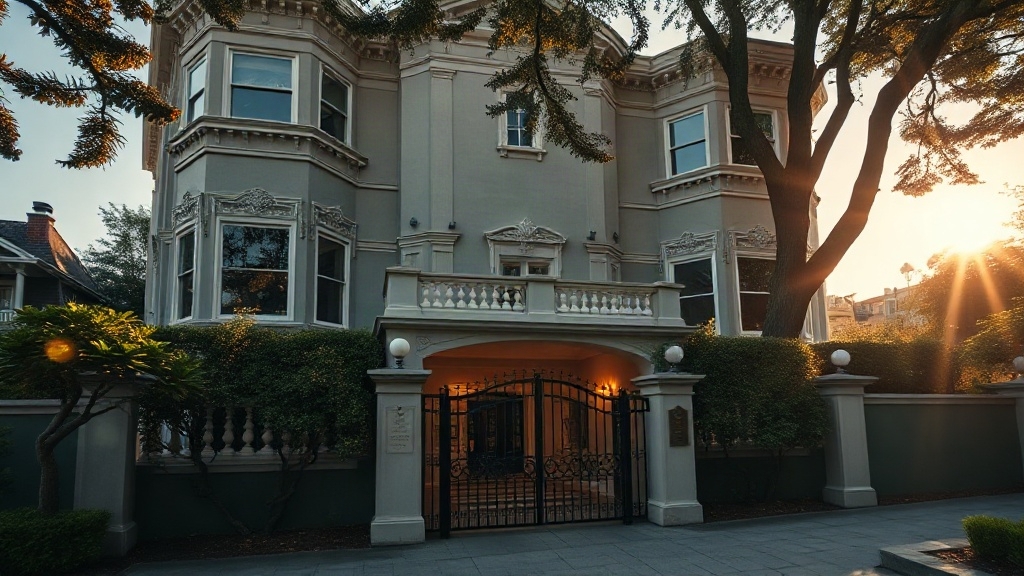


The San Francisco Mansion’s $495,000 Annual Rent
At $495,000 a year, the historic San Francisco Victorian costs about $41,250 a month, placing it far above ordinary local rents and in an ultra-luxury tier.
This luxury pricing makes the residence an outlier, not a typical city rental. Its annual asking rate signals a niche market aimed at tenants with substantial budget flexibility, potentially including executive, film, or event-related demand.
Rental comparisons show the scale of the gap. Zillow’s average San Francisco house rent is $4,884 monthly, while Apartments.com reports an average of $3,644. Homes.com lists a $6,040 median for home rentals.
The mansion’s monthly rate exceeds each benchmark by several multiples. Historic character, ornate design, substantial space, and a premium location can support elevated pricing.
The asking rate also suggests possible short-term or fully furnished luxury use, rather than standard housing economics for local renters.
Despite rising citywide inventory, luxury home demand can remain strong, supported in part by wealth creation in San Francisco’s tech and AI sectors.
Inside the Historic Victorian’s Rental Units
The mansion’s original single-family layout has been converted into 15 rental units, with studio, one-bedroom, and two-bedroom apartments. A separate office occupies the main building’s lower level, while a cottage sits on a legally distinct parcel.
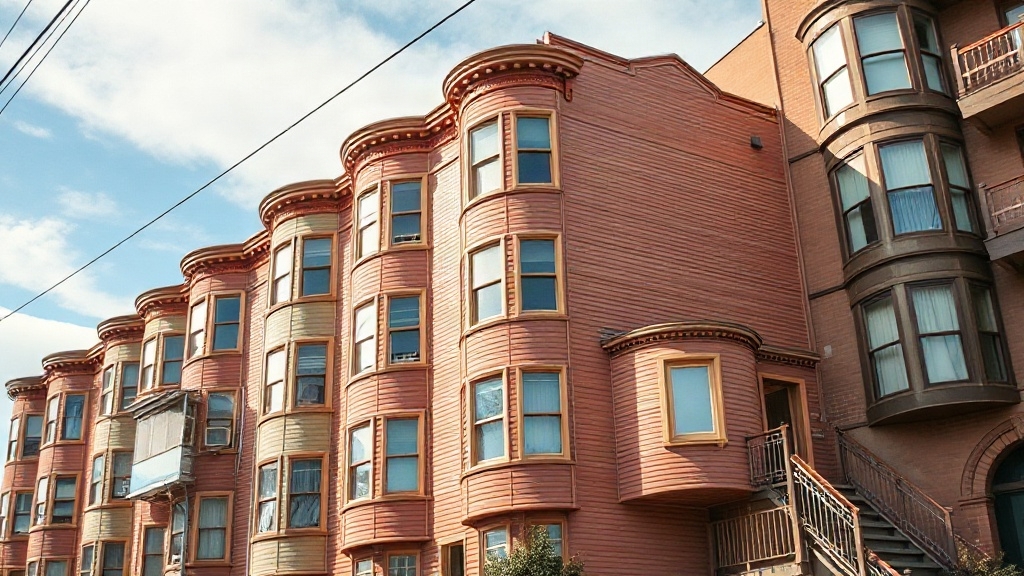
Inside, carved banisters, dark wood paneling, exposed beams, and intricate crown molding preserve the Victorian woodwork. Hearths, stained glass, high ceilings, and other original details remain visible across the historic rooms.
The mansion’s scale allows for spacious layouts uncommon in standard apartment buildings. Curved-bay units feature floor-to-ceiling windows, and large historic windows bring natural light to many apartments.
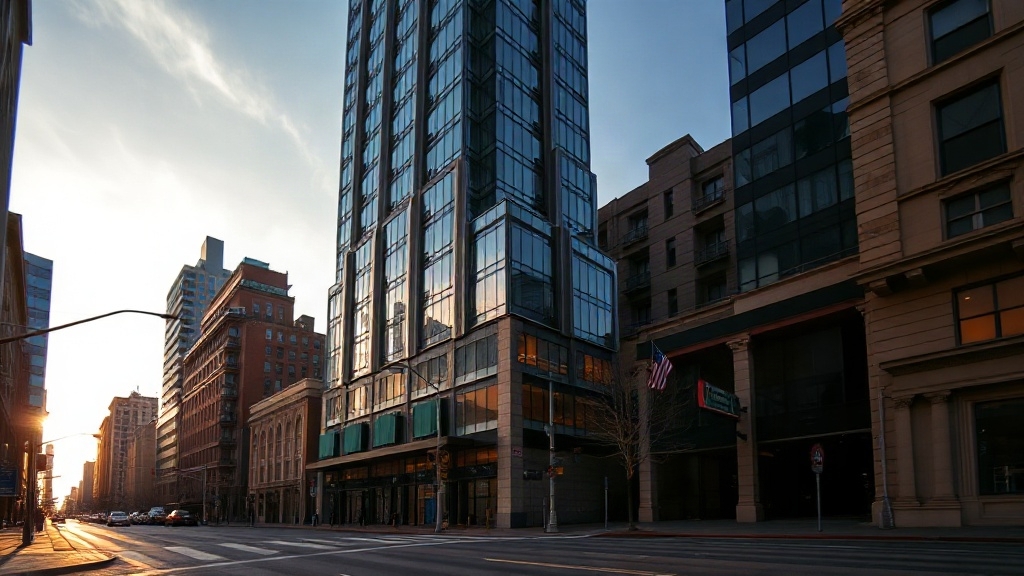
Several units also have balconies, while selected apartments offer city views. Together, these features create a varied living environment, combining the building’s late-19th-century craftsmanship with its current multifamily use. Like other San Francisco homes, the mansion’s historic details contrast with the glass architecture and minimalist materials of contemporary Bay Area design.


How Leases Could Raise the Rent Roll
Beyond the mansion’s historic finishes and varied apartment layouts, its rent roll could also grow as individual leases reach scheduled increases, renewals, or turnover.
Four lease events can change the property’s income trajectory:
- Scheduled Escalations: Fixed-dollar, percentage, or index-linked increases can lift rent on specified dates, provided future changes are recorded in each lease’s rent schedule.
- Renewal Timing: Expiration dates shape when rents can move toward market levels. Renewals may bring smaller increases than turnover, but can avoid vacancy and leasing costs.
- Turnover: Vacant or soon-to-expire units may be repriced, and renovations could support higher asking rents. Downtime, however, delays added income.
- Lease tracking: Each agreement may have a different increase method and effective date. Keeping current rent separate from contracted future changes helps show the rent roll’s path and capture scheduled growth.
What Buyers Should Verify About the Rent Roll
Before relying on a rent roll that reports nearly $500,000 in monthly rent, buyers should confirm it is current, complete, and supported by executed leases. The as-of date should align with underwriting and seller records, ideally falling within 30 days.
Every leasable unit should appear, with unit counts checked against the property inventory or floor plan. Blank fields and missing information can weaken Rent Roll Accuracy.
Lease Verification requires matching tenant names, suite numbers, rent amounts, commencement and expiration dates, and scheduled increases to signed leases and amendments. Buyers should also check renewal options, side letters, concessions, and any recent rent changes.
Reported income should reconcile with the trailing 12-month statement, bank deposits, and collection records. Differences above 5% warrant investigation, including vacancy, arrears, bad debt, concessions, or collection loss.
Physical occupancy, payment history, tenant concentration, and upcoming expirations also merit review.
Why San Francisco Mansion Demand Is Rising
San Francisco mansion demand is rising as AI hiring, startup expansion, and renewed return-to-office activity bring more high-income renters back to the city.
Four forces are strengthening luxury renter demand:
- AI boom wealth: Higher-paid technology workers and founders can afford premium rents. Some high-paid young professionals also rent before buying.
- Corporate use: Startup teams are leasing large homes for residences, workspaces, and entertaining.
- Scarce supply: Mansion-sized rentals remain limited, particularly in wealthy neighborhoods, and demand is outpacing new inventory.
- Urban return: More office attendance is renewing leasing pressure near central work hubs. Turnkey homes and amenity-rich properties are attracting renters.
The shift follows a pandemic-era slump.
Tight supply is amplifying competition, and agents describe the shortage of large homes as a “mansion shortage.”
Rising rents across 2025 and 2026 add urgency to the market.
Assessment
The mansion’s reported $495,000 annual rent makes its income potential notable, but the figure alone does not establish what a buyer will collect.
Lease terms, occupancy, expenses, and applicable San Francisco rental rules will determine the property’s actual performance. Any buyer evaluating the listing will need to verify those details before treating the projected rent as dependable income.