
Key Takeaways: A vacant rental is an invitation. A stranger with a forged lease and a utility bill can turn your property into a months-long legal siege where you keep paying the mortgage on a house you cannot enter, rent, or sell. Police call it a civil matter. Your bank account calls it something else. Cameras, fast filings, and a paper trail are the only garlic that works.
The house sits empty for nine days.
Nine quiet days between tenants. The carpets are clean. The paint is fresh. The lockbox hangs on the door, waiting for the next showing, the next application, the next rent check.
Then your property manager calls, and his voice sounds wrong.
“Someone’s living in your house.”
You laugh, because it has to be a mistake. The house is vacant. The lease ended. Nobody has keys.
But when you pull up, there is a car in your driveway. Curtains in your windows. A welcome mat you did not buy, sitting at your front door like it belongs there.
It does not belong there.
Neither does the person behind your door.
The Guest Who Never Leaves
You knock. Your own door opens four inches, stopped by a chain you did not install.
A face you have never seen looks out at you from inside your house and tells you, calmly, that they live here. They have a lease. They paid a deposit. They moved in last weekend, and if you have a problem with that, you can call their landlord.
Their landlord.
In your house.
Here is how the summoning works. A scammer finds your vacant listing, copies the photos, and reposts the home as their own rental at a price just low enough to feel like a miracle. A desperate renter wires a deposit to a stranger, gets handed your lockbox code or a copied key, and moves in believing everything is real.
Sometimes the person inside is the victim.
Sometimes the person inside is the scammer, wearing the victim’s costume.
From your side of the chain-locked door, you cannot tell the difference.
And here is the part that should keep you up at night. In many states, once someone is inside with their belongings, a story, and anything that looks like a lease, the police will not drag them out. Officers arrive, listen to both sides, look at the paper in the stranger’s hand, and say the words that start your nightmare.
“This is a civil matter.”
Civil. As in court. As in filings, hearings, and months.
The person in your house gets to stay in your house while you prove it is yours. If you have ever wondered what it feels like to pay a mortgage on a home you are legally forbidden to enter, ask a landlord who has lived this. They will tell you. In detail. With a look in their eyes like a man describing weather he barely survived.
Investors who have been through a squatter siege describe the same helpless rage that comes with the tenant from hell, except this nightmare never signed a lease with you, never passed a screening, never gave you a single page of information to fight with.
The Lease From Nowhere
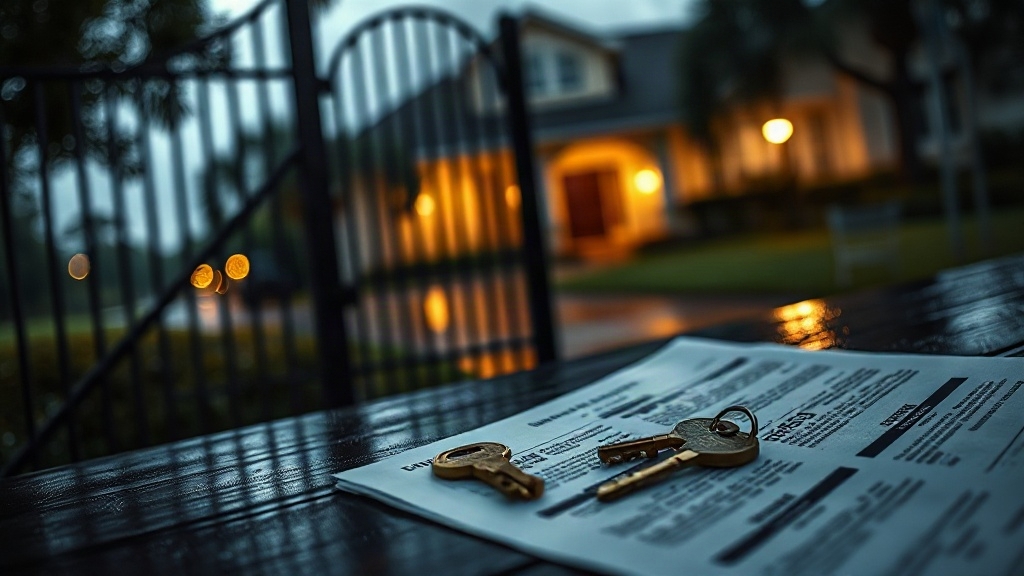
The paper in their hand is the real monster.
It looks official. Letterhead. Signatures. Dates that almost make sense. Your property address spelled out like a spell. It does not matter that you never wrote it, never signed it, never saw it before this moment. What matters is that it exists, it looks real enough at a glance, and it buys the person holding it the one thing they need most.
Time.
Squatter, defined: a person who occupies a property without the owner’s permission or a valid lease. In most states, removing one is not a police action but a court process, often the same unlawful detainer or ejectment machinery used for tenants, and the occupant is entitled to notice, hearings, and due process before a sheriff will act.
While the case crawls, the occupant learns the game fast. File a response. Ask for a continuance. Claim repairs are needed. Claim you shut off a utility, which in many jurisdictions is illegal even when the person inside has no right to be there. Every paper they file is another month of free housing, purchased with your money.
Expectations:
- police remove a trespasser the same day
- a fake lease fools no one
- the whole thing clears up in a week
Reality:
- officers leave, and the stranger stays
- the fake lease only has to look real, not be real
- the process can run for months while you pay for all of it
Landlords lose these months in the paperwork as much as in the courtroom. Missing notices, wrong forms, sloppy records. The same poor documentation that destroys real estate deals can resurrect a squatter case you thought was finished, and the most common eviction errors that cost investors thousands are made by owners who assumed the law would move at the speed of common sense.
It does not.
It moves at the speed of the docket.


The Slow Bleed
Here is what nobody tells you about a squatter. The legal fight is not the expensive part.
The calendar is.
Every month the case drags, your property earns nothing and costs everything. The mortgage does not care that a stranger is sleeping in the master bedroom. The insurance company does not care. The tax assessor does not care.
Here is a simple breakdown (fictional but realistic) of what one occupied, nonpaying house can burn while the lawyers shuffle paper:
| Cost Type | Monthly Bleed | Six-Month Total |
|---|---|---|
| Mortgage Payment | $1,850 | $11,100 |
| Lost Market Rent | $1,900 | $11,400 |
| Attorney and Court Fees | $650 | $3,900 |
| Insurance and Taxes | $420 | $2,520 |
| Utilities You Dare Not Shut Off | $180 | $1,080 |
Thirty thousand dollars. Gone. Not invested, not lost on a bad deal. Consumed, one month at a time, by a person whose name you learned from a court filing.
And through all of it, you drive past your own house like a ghost haunting the living. You watch lights come on in windows you paid for. You watch your investment live its life without you.
Will this be the month the hearing happens?
Will the judge continue it again?
Will there be anything left of the house when you finally get the keys?
That last question is the one that should scare you most.
What Crawls Back to You
When the sheriff finally posts the notice and the locks are changed under supervision, landlords walk back into their own homes the way people walk into a room where something died.
Sometimes they get lucky. The occupant leaves quietly, and the house is merely dirty, merely wounded.
Sometimes they do not.
Copper piping torn from the walls. Appliances gone. Doors kicked in for sport. Concrete poured where concrete should never be poured. The revenge of a person who lived free for six months and resents you for ending it can turn a rentable house into a rehab project overnight.
Your insurance may not save you. Many landlord policies treat a long-vacant property differently, and a home you reported as empty that was secretly occupied can become a coverage argument you never wanted to have. The fine print rises from the page at the exact moment you can least afford to read it.
This is why the veterans check their vacancies the way other people check on sleeping children. Quietly. Often. In person.
The Survival Steps
The survival steps to keep a stranger from moving into your investment and refusing to die:
- Never let a vacancy go dark. Cameras, smart sensors, and lights on timers announce that the house is watched. Squatters hunt for homes that look abandoned.
- Visit weekly, and be seen visiting. A neighbor who knows your face is a security system that never sleeps. Introduce yourself on every street you own.
- Control the lockbox like a weapon. Change codes between every tenant and every contractor. A copied code is an open door with plausible deniability.
- Know your state’s clock before you need it. The difference between a trespasser and an occupant with court rights can be a matter of days and paperwork. Learn where your state draws that line, and check the current rules on tenant and occupant rights through USA.gov’s tenant rights hub before you are standing on your own porch being told to leave.
- File immediately, and file perfectly. The day you find an occupant, the process starts. Every week of hesitation is a week you donate.
- Price the cash-for-keys conversation honestly. It feels like surrender. Sometimes it is the cheapest door out of the nightmare, and the math, not your pride, should decide.
- Document the property’s condition constantly. Time-stamped photos of an empty, secured house are evidence. Evidence is armor.
One last warning, and it is the darkest one. While you fight over the house you own, make sure the paperwork on how you own it is clean, because investors tangled in zoning and classification fights have learned that a property dispute is where every other weakness in your file comes crawling out of the walls.
The house on the quiet street is empty again tonight. The lockbox is changed. The cameras blink red in the dark, watching the driveway, watching the door.
You got the house back.
You never got the year back.