
How the New York Deed Fraud Worked
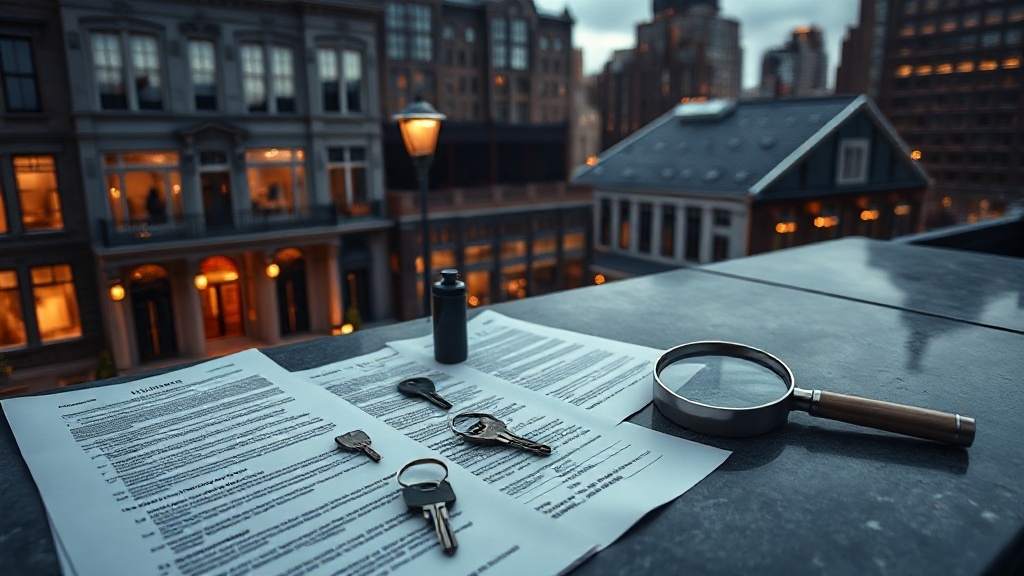
At its core, New York deed fraud often began with fabricated transfer documents that falsely appeared to convey lawful ownership.
Scammers prepared deeds without homeowner signatures, then signed as buyers or forged seller names. Those papers, sometimes backed by forged notarizations, were filed with county clerks to create counterfeit ownership records. Prosecutors say one Manhattan scheme used falsified birth certificates and UCC liens to help impostors pose as heirs to a brownstone.
In some cases, identity theft helped transfer titles tied to deceased owners. Similar fraud patterns elsewhere have been linked to inflated appraisals and weak underwriting that helped questionable ownership claims gain traction.
Other transfers relied on trickery rather than outright fabrication. Homeowners were persuaded to sign deeds under false pretenses, including promises of credit repair.
People behind on payments were pressured through calls and visits, while being discouraged from seeking independent lawyers. As a result, transfers occurred without a real understanding of the legal consequences, allowing false claims to appear legitimate in public records.
What Prosecutors Allege in the Case
According to court filings, prosecutors describe the case as a coordinated real estate fraud scheme involving industry insiders. They say the group included real estate professionals, attorneys, appraisers, and straw buyers.
Prosecutors allege the participants used falsified mortgage applications, forged signatures, and fake official documents. They say the goal was to obtain loan proceeds under false pretenses.
They also allege the fraudulent mortgages exceeded actual property needs. According to the filings, excess proceeds were diverted as profit. Such allegations also reflect broader concerns about loan approval vulnerabilities in financial fraud cases.
| Allegation | Detail |
|---|---|
| Loan volume | More than $20 million from over twenty loans |
| Tactics | False statements, identity theft, manipulated records |
Prosecutors cite charges including bank fraud, wire fraud, conspiracy, grand larceny, and scheming to defraud.
They also point to a separate Manhattan matter. In that case, they allege a stolen deed and an attempted $1,636,000 mortgage and construction loan using straw buyers.


Who Deed Theft Schemes Often Target
Court filings and public warnings indicate that deed theft schemes tend to focus on homeowners whose properties can be manipulated with limited immediate scrutiny.
Homes that are fully paid off, carry little debt, sit vacant, or function as second residences are repeatedly described as vulnerable. Without a lender monitoring title changes, forged transfers may be harder to spot quickly.
Rising-value areas can also draw fraud because resale profits may be larger.
Higher-Risk Owners
Older adults appear often in alerts about deed fraud. Elderly homeowners may be approached through trust-based contact, pressure tactics, or false offers of help.
Owners living alone, under financial strain, or away from a property may notice missing mail, tax changes, or suspicious recordings later.
Public warnings also highlight minority neighborhoods, especially gentrifying areas, where legal support may be uneven and accumulated home equity can be quietly targeted.
Why This Case Matters for Owners
For owners, the significance of a disputed New York real estate case often extends far beyond the immediate parties.
Appellate rulings, class-action theories, and constitutional challenges can turn a single complaint into a precedent that reshapes rights, liabilities, and regulatory exposure across the state.
Expanding Stakes
New York housing, tax, and land-use disputes can become legal precedent for future claims involving many owners.
If courts accept a plaintiff theory, a single allegation may expand into class litigation, appellate review, and wider scrutiny of ordinary management practices.
Financial and Regulatory Pressure
The resulting financial exposure may reach across multiple units, years of revenue, tax burdens, or regulated properties.
Court outcomes also test how far government may restrict rents, assessments, occupancy, and use.
This can leave owners vulnerable even when disputed conduct appears facially lawful.
How to Spot Deed Fraud in New York
Detecting deed fraud in New York often begins with routine review of the public record. Unauthorized deeds, mortgages, and transfer filings may appear before an owner realizes anything has changed.
Annual record monitoring through ACRIS in the Bronx, Brooklyn, Manhattan, and Queens can help expose suspicious transfers. For Staten Island, owners should check records through the Richmond County Clerk.
| Warning sign | What it may suggest |
|---|---|
| Unknown deed | Forged transfer |
| New mortgage | Unauthorized borrowing |
| Mailing irregularities | Address change fraud |
| Pressure to sign fast | Predatory scam |
| Unexpected legal notice | Possible deed theft |
ACRIS alerts, tax bill disruptions, and unusual utility changes are practical warning signs. These issues may indicate that someone has interfered with ownership records or account details.
Unexpected notices, forged signatures, stranger inquiries, and rushed paperwork should all be treated as red flags. They may require immediate reporting and legal review.
Assessment
The allegations describe a form of deed fraud that can strip owners of title, equity, and control before they detect the transfer.
Prosecutors contend the New York case exposed weaknesses in recording systems and oversight that can be exploited through forged documents and false identities.
For property owners, the matter underscores the importance of routine deed monitoring and rapid response to irregular filings.
It also highlights the need for close attention to transactions involving vacant homes, elderly owners, and distressed properties.