
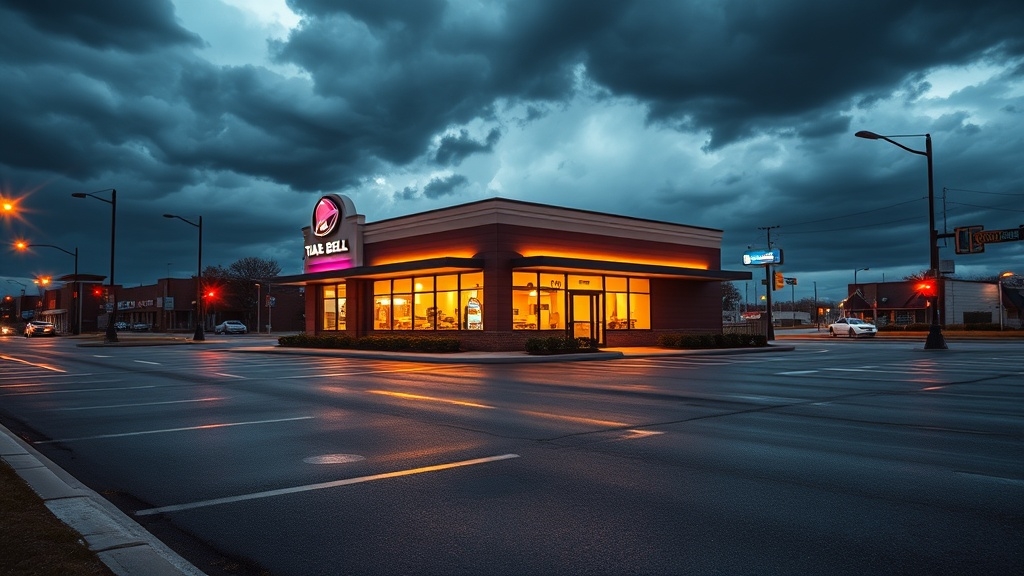


What Investors Get at 1014 Michigan St NE
At 1014 Michigan Street NE in Grand Rapids, the investment package centers on an operating Taco Bell backed by a nationally recognized brand and a low-risk net-leased profile.
The property is offered at $2,200,000 and benefits from a Triple Net Lease structure, shifting many property-level obligations to the tenant.
The current lease runs through 11/30/2039, leaving about 15 years remaining. Contractual annual increases support income visibility.
Operationally, the site serves local demand through drive-thru, delivery, and mobile app ordering. The brand also supports customer retention through exclusive app rewards redeemable only on the app. Extended hours, including late-night service, help sustain consistent weekly revenue from fast-food traffic.
Investors also gain exposure to significant brand equity, corporate credit strength, and a concept with established menu recognition. In a market where inventory growth has expanded buyer choice, long-term net-leased assets can stand out for their relative income stability.
Comparable Taco Bell cap rates generally range from 5.25% to 5.55% nationally.
Why This Taco Bell Hit $2.2M
Driven by dominant brand positioning and unusually strong customer loyalty, the Grand Rapids Taco Bell reached a $2.2 million valuation that reflects more than just real estate fundamentals.
Taco Bell ranks as Michigan’s most popular fast-food choice, giving this location unusual market weight.
That standing shapes local dining habits and reinforces its position as a preferred stop for area consumers.
Sales Momentum
Current unit volumes already match the asking price at $2.2 million.
With projected unit growth pushing revenue toward $3 million, the store is performing above ordinary quick-service benchmarks in its region.
As investors weigh deals like this, broader market signals such as 3.0% GDP growth in Q2 2025 continue to support confidence in U.S. commercial real estate.


Loyalty Impact
The loyalty impact is especially important because members visit 76% more often than non-members.
Higher visit frequency supports stronger unit sales, while franchise incentives help sustain customer retention.
The operator’s 115-store footprint also adds credibility through scale, experience, and consistent execution.
How the NNN Lease Affects Value
Under a triple-net lease, investor value comes from shifting key operating costs from the landlord to the tenant.
That structure moves taxes, insurance, and maintenance away from ownership, creating steadier net income and reducing operating risk.
| Factor | Effect |
|---|---|
| Taxes | Tenant pays |
| Insurance | Tenant pays |
| Maintenance | Tenant pays |
| Tenant credit | Supports valuation |
| Rent escalations | Preserve income |
Risk Transfer Tightens Pricing
Because the tenant funds these expenses, income volatility is lower. The property often behaves more like a bond-like asset.
Strong tenant credit can further support pricing by reducing perceived default risk. It can also improve resale appeal.
Contract Terms Strengthen Value
Built-in rent escalations help protect returns against inflation. They also keep cash flow more predictable over time.
Long lease terms and renewal options can improve marketability. They extend visible income streams for future buyers over many years.
Why Grand Rapids Demand Supports Pricing
Grand Rapids demand adds another layer to valuation support by reinforcing the income stability created by the NNN lease structure.
Local fast food consumption runs 12 percent above national levels, while Taco Bell captures 28 percent of Kent County quick service revenue.
That performance reflects durable dining patterns tied to lunch-hour workforce traffic and frequent value-driven visits.
Consumer Income and Value Alignment
Average household consumer income above $72,000 supports discretionary spending, yet surveys show 72 percent of residents still prioritize affordable meals over premium brands.
That combination strengthens pricing support because disposable income remains available while value menus match local preferences.
Regional resilience also matters.
Kent County inflation remains 0.5 percent below national averages, and 65 percent of residents report maintaining fast food spending despite higher costs, supporting consistent sales velocity.
What Investors Should Watch in This Listing
Examine the lease structure first. Triple net assets depend on clear allocation of taxes, insurance, and maintenance obligations to preserve stable cash flow.
Investors should verify lease term length, fixed rent escalations, and any early termination rights that could weaken income durability. They should also examine insurance adequacy, tax burden exposure, and standardized maintenance procedures.
- Confirm tenant responsibility for taxes, insurance, and repairs
- Review credit quality and operating stability carefully
- Watch for maintenance spikes and property value degradation
- Track market volatility, rate risk, and compliance issues
Tenant and Valuation Pressure
Tenant profile matters because high-quality operators can reduce vacancy risk and support pricing. Careful underwriting also considers rental rate trends, neighborhood development, economic cycles, and legal liability exposure.
These factors shape downside protection in this Grand Rapids listing.
Assessment
At $2.2 million, the Grand Rapids Taco Bell listing reflects aggressive pricing tied to credit tenancy, lease structure, and corridor visibility.
The asset offers predictable income under a net-leased format, but the valuation leaves little margin for operational or market disruption.
In a demand-heavy retail market, properties like 1014 Michigan St NE can attract rapid attention.
Even so, buyers are likely to scrutinize rent durability, remaining lease term, and exit risk before assigning full value.