


Cardone’s “Renter Nation” Warning
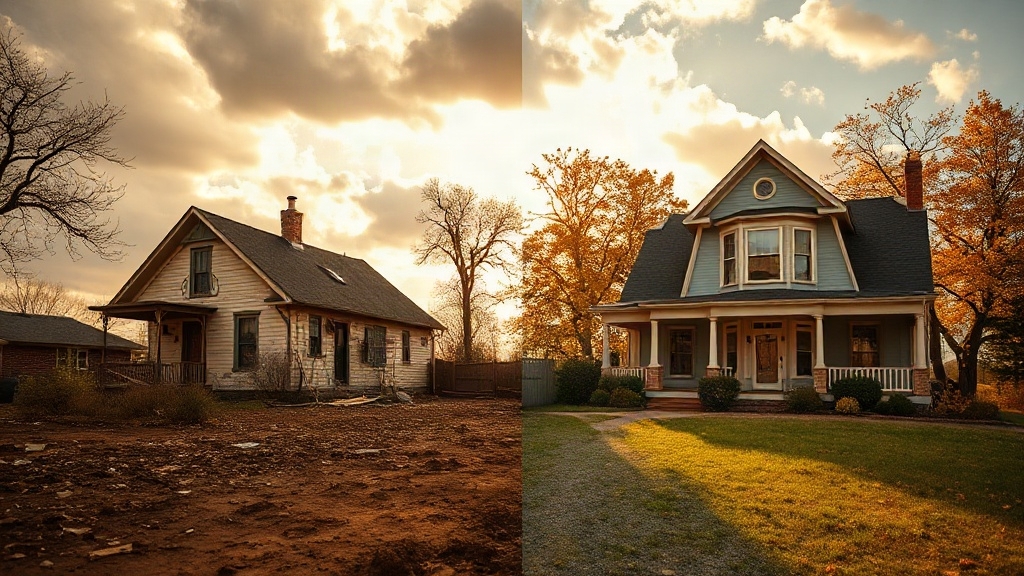
Grant Cardone has repeatedly warned that the United States is moving toward a renter nation. He describes renting as an expanding long-term shift rather than a temporary housing-cycle distortion.
His view presents renting as the result of persistent affordability pressure rather than renter stigma. He has even said people may increasingly rent not just homes but cars and clothes.
He points to elevated home prices, high mortgage rates, and the burden of down payments, taxes, insurance, and maintenance. In this framing, many households avoid ownership not by preference alone, but because the cost structure has become restrictive. In 2025, national data showed a 52% higher cost for owning than renting, reinforcing the financial logic behind that shift.
Affordability Squeeze Drives the Shift
Cardone also argues that mobility matters. He says many people hesitate to accept a 30-year obligation while work and location choices remain fluid.
He has linked the trend to Federal Reserve policy, inflation pressures, and wider economic strain. He also implies that policy alternatives have not restored broad housing access.
How Many Americans Rent Today
Nearly 44.6 million U.S. households rent their homes today, placing roughly one in three occupied households in the rental market.
Census-based estimates place renters at about 34.7% to 35.0% of occupied households, while owners remain near 65% to 66%.
That means the United States is still owner-occupied overall, yet renters represent a population large enough to shape national housing conditions.
In a housing market defined more by rising inventory and hesitation than by a crash, this renter share remains especially important to affordability trends.
Pressure Points
Some market summaries show renter totals near 45 million households in 2024 through 2026, confirming an upward long-term trend.
Small differences across sources reflect whether analysts count occupied households, housing units, or quarterly estimates.
Urban millennials and student debtors appear within this broad renter base, alongside millions of other households.
Even modest percentage shifts matter because they represent hundreds of thousands of renters in a market with nationally significant vacancy, affordability, and supply pressures.


Why More Americans Rent Instead of Buy
Across much of the country, more Americans rent instead of buy because the financial and practical barriers to ownership have grown sharper.
Renting offers mobility that ownership often cannot match. Lease terms make relocation easier for job changes, remote work, family shifts, or uncertain plans.
That appeals to younger adults, retirees, and urban nomads who value flexibility.
Renting also requires far less cash upfront. Most households need only a deposit and first month’s rent, preserving budget freedom for emergencies, debt, or other priorities.
In many markets, renting simply works better each month. Reports in 2026 showed renting beat buying for starter homes across all 50 major metros, with average savings of $920.
Renters also avoid repair bills, upkeep, property taxes, and exposure to home value declines.
Why Homeownership Feels Out of Reach
For many households, the math no longer works in favor of buying.
Required income for a typical home reached about $109,796 in mid-2026, while median household income was $87,599. That left a large affordability gap.
High interest rates near 6.5% kept monthly payments elevated, even before taxes and insurance were added.
Prices also remained historically high, with median existing-home values around $398,000 to $404,300. Some reports showed even higher figures.
Key Pressures
- Income trails required qualifying levels by roughly $22,000.
- Down payment shortfalls block many first-time buyers.
- Ownership costs often exceed standard 28% debt-to-income limits.
These pressures compound quickly.
A median-income family could need 32% of income for a median-priced home. Lower-income households faced far steeper burdens.
Is America Becoming a Renter Nation?
Despite the warning embedded in the phrase, national housing data does not show the United States as a renter-majority country in 2026.
Homeownership held at 65.0% in Q2 2026, leaving about 35% of households renting.
That split remained unchanged from Q2 2025 and still reflects a clear owner majority.
Long-Term Shift Intensifies
Renting has expanded over time, rising from 29.9% of occupied units in 2010 to 34.7% in 2024.
Recent estimates place renter households near 44 to 45 million, shaped by renter demographics and urban migration patterns.
Pressure Keeps Renting Entrenched
Affordability remains the central force behind this shift.
About 22.6 million renter households were cost-burdened in 2026, while rents stayed elevated versus pre-pandemic levels.
The evidence supports a larger renter economy, not a renter-majority nation today.
Assessment
Cardone’s warning reflects a broader housing reality.
Rising prices, elevated mortgage rates, limited inventory, and stricter affordability pressures have kept many households in rentals longer than expected.
Current data shows renting remains a durable and expanding part of the U.S. housing market, especially for younger and cost-burdened households.
Whether the nation fully becomes a renter nation remains unsettled, but ownership barriers are real, persistent, and reshaping long-term housing patterns across the country.