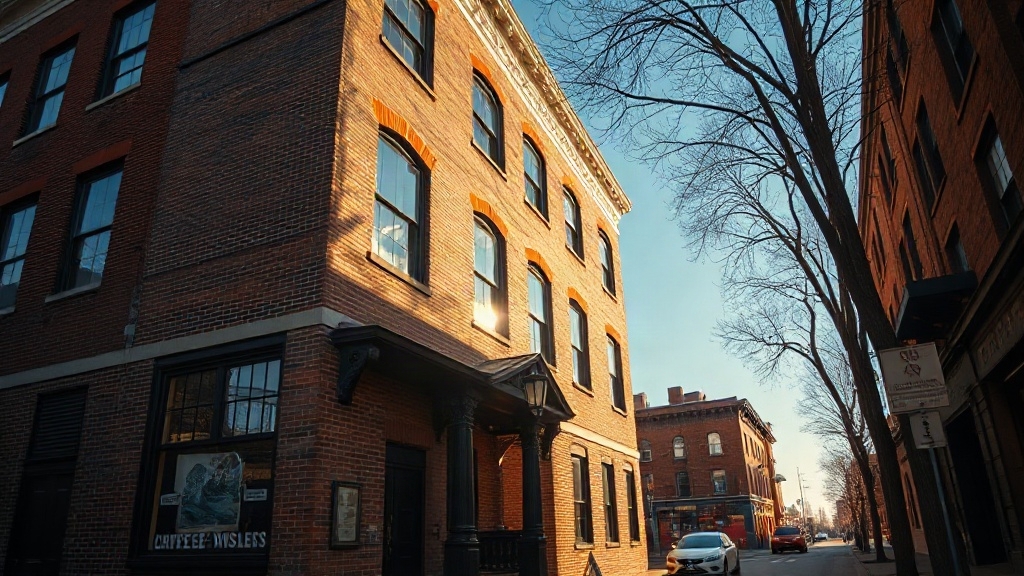
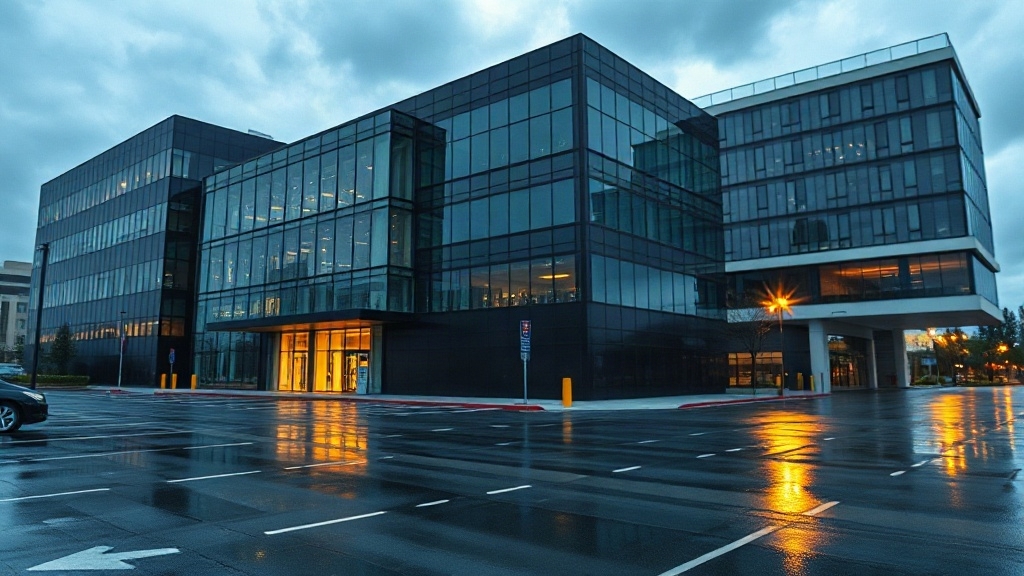


What Defaulted at 190, 210, and 230 West Tasman?
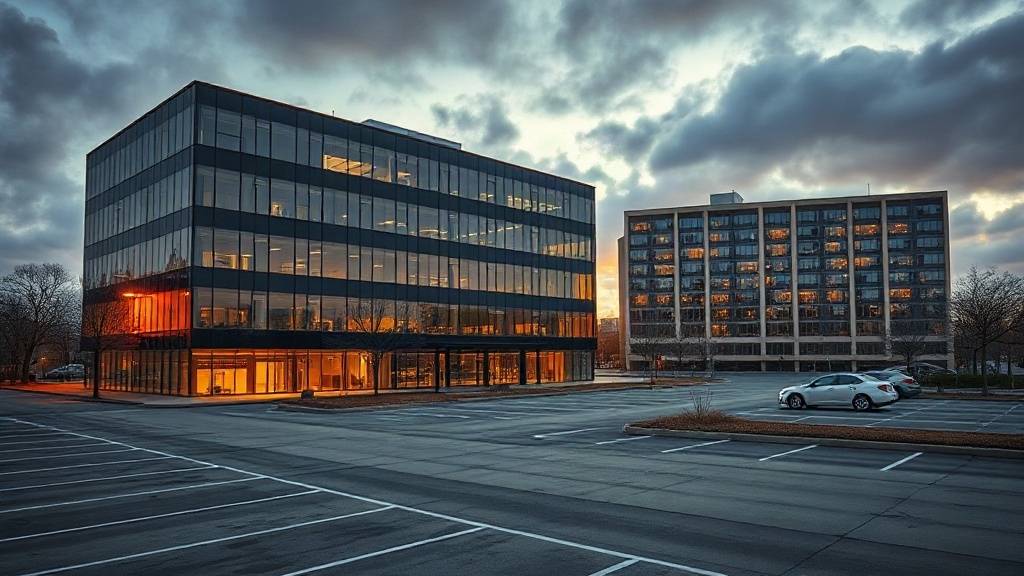
The default covered three North San Jose office buildings at 190, 210, and 230 West Tasman Drive, totaling 287,371 square feet under a single financing package.
Together, the properties formed a three-building campus in a tech-focused office area near the Tasman corridor.
Tenant occupancy varied across the buildings. Archer Aviation occupied space at 190 and 210 West Tasman, while Itron Networked Solutions had previously occupied space at 210 and 230 West Tasman before leaving North San Jose.
The portfolio therefore included buildings with active and former technology-related tenants, rather than a single vacant property.
All three addresses were identified in reporting on the default.
Their inclusion in one financing package linked the campus as a property group, even as each building had its own tenant history and occupancy profile. The borrower group defaulted on an 80 million dollar loan that matured in August.
High office vacancy rates reflect ongoing challenges in office leasing markets.
What Did the $80 Million Loan Cover?
Issued in 2016 to a borrower group linked to real estate investment firm KU Education, the $80 million loan was secured by the three-building campus at 190, 210, and 230 West Tasman Drive.
The loan covered a 287,371-square-foot office and technology property, rather than one standalone building. Its collateral included the land and three buildings, arranged as a campus capable of housing multiple tenants.
Jefferies Loancore originated the financing. The structure suggests commercial real estate acquisition or recapitalization debt tied to ownership of the West Tasman property.
Available records do not specify how the proceeds were divided among the buildings or whether funds paid for other costs. Archer Aviation leased space at 190 and 210 West Tasman.
Itron Networked Solutions had occupied space at 210 and 230 before relocating. The loan matured in August and was due in full.
High borrowing costs have made refinancing strategies increasingly important for commercial property owners facing maturing loans.


Why Is the North San Jose Office Market Struggling?
Remote and hybrid work have weakened demand across North San Jose. Inconsistent return-to-office patterns leave many buildings underused, contributing to a prolonged Silicon Valley downturn.
Technology companies have consolidated into fewer, higher-quality campuses, returning large blocks of space to the market.
One North San Jose campus had several vacant buildings totaling 570,000 square feet.
Reported North San Jose vacancy has ranged from 16.7% to 18.8%, while Silicon Valley vacancy remained 18.8% in Q1 2026.
Recent improvement has not restored pre-pandemic conditions.
Nearly half of available Silicon Valley office space was at least 50,000 square feet, while many tenants need less.
This mismatch slows leasing, prolongs vacancies, and weakens landlords’ bargaining power.
Lower rents and falling property values add pressure to an already fragile market.
Could the San Jose Campus Face Foreclosure?
With North San Jose’s office market under pressure, the campus at 190, 210 and 230 West Tasman Drive faces a more immediate threat: its $80 million loan is in default after coming due in full in August.
Foreclosure timeline
Foreclosure is possible if the borrower cannot repay, refinance, sell, or otherwise cure the default. Filing records related to the loan were submitted to the Santa Clara County Recorder’s Office on Oct. 9, but the available facts do not establish that a foreclosure sale has been scheduled.
The 287,371-square-foot campus includes Archer Aviation as a tenant, yet occupancy alone does not resolve the debt. Weak office demand and limited buyer interest may make a quick refinancing or sale harder.
Lender remedies
The lender or servicer may seek repayment, a restructuring, or a sale before pursuing foreclosure. A deed in lieu or bankruptcy filing could also alter the process or its timing.
If no resolution emerges, the lender may move to recover the property through foreclosure or related enforcement.
What Does the Default Mean for San Jose Investors?
For San Jose investors, the $80 million loan default raises the risk of delayed returns and potential losses, particularly for equity holders who rank behind the lender in repayment priority.
Equity Investor Exposure
The missed August maturity does not establish an immediate loss, but it heightens uncertainty about recovery for owners of the three West Tasman Drive buildings.
- Income pressure: Itron Networked Solutions’ departure adds vacancy, while Archer Aviation remains part of the tenant profile. Lower occupancy can weaken operating income and property value.
- Capital at risk: If income cannot support the debt, ownership may have less leverage in negotiations. Restructuring, recapitalization, or a discounted sale could dilute investors or impair principal.
- San Jose market signals: The default adds to North San Jose office distress, reflecting refinancing challenges and softer demand. Lenders may respond with tighter underwriting and higher risk premiums, affecting local commercial real estate investment.
Assessment
The loan default at 190, 210, and 230 West Tasman underscores the pressure facing North San Jose’s office market.
The $80 million debt issue raises the risk of foreclosure, but the available facts do not establish that a sale or property transfer has occurred.
For investors, the case highlights continued exposure to weak office demand and refinancing challenges.
Further developments will depend on lender actions, borrower negotiations, and the properties’ performance.