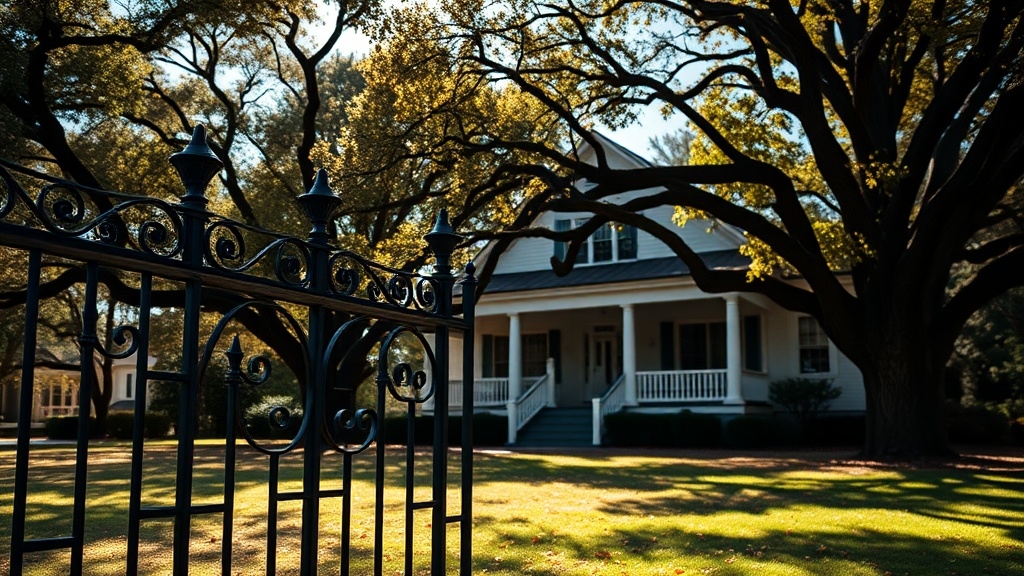


Overall Price Trends and Market Movement
Alabama’s real estate scenery is shifting in 2025. The state’s housing market is characterized by price stabilization and market adaptation. In June 2025, the median sales price increased by 1.4% from May. This rise represents a more tempered growth compared to past rapid surges. This slowing trend is also seen in a modest year-over-year increase of 2%. This aligns with predictions of 3-4% growth throughout the year. Strong employment figures and higher inventory levels contribute to market stabilization. Local markets like Athens saw slight declines in median prices. Such stability signals an adapting market moving towards equilibrium. After periods of volatility and rapid price escalation, these trends clarify Alabama’s market evolution.
Regional Market Variations and Buyer Leverage
Alabama’s regional housing markets are experiencing varied dynamics amidst the shifting economic landscape. These disparities reflect broader national trends and present distinct strategies for buyers. In Huntsville, a 1.2% price drop is observed. Scottsboro and Decatur face similar situations with 1.4% and 1.9% declines, respectively. In these areas, buyers have significant leverage to negotiate favorable deals. Birmingham and Montgomery see increased inventories. This offers potential homeowners more options, allowing them to capitalize on existing affordability. Real estate market analysts note that despite the price fluctuations, overall growth trends in Alabama suggest a stable investment environment. Meanwhile, Gulf Shores remains steadfast in demand, maintaining buyer leverage in coastal markets. Tuscaloosa buyers can engage in moderate negotiations, possibly securing concessions on repairs or closing costs. Auburn’s robust market deters extreme discounts. However, its stability gives buyers newfound confidence.

Expanding Inventory and Real Estate Dynamics
Alabama’s real estate inventory is expanding, leading to significant market changes. The year-over-year increase in listings by 25% highlights this robust growth.
This shift is moving the market toward a more balanced setting. Sellers now face heightened competition and must focus on effective pricing strategies.
Buyers benefit from increased options as the months’ supply of inventory rises. This shift gives them more negotiating power and compels sellers to rethink their approaches.
| Indicator | Value (2025) |
|---|---|
| North Alabama Supply | 4.4 months |
| Huntsville Listings | 4,627 |
| Median Sales Price | $341,000 in July |
The state’s real estate environment requires informed and strategic actions. Understanding these dynamics is now more crucial than ever.
Economic Influences and Future Outlook
The Alabama housing market is currently at a crossroads. Economic factors are both bolstering and challenging its stability.
Stable economic conditions contribute positively. The state enjoys a steady unemployment rate of 3.3% and record labor force participation, which support housing demand.
However, national inflation and fluctuating interest rates are hurdles. These issues affect housing affordability significantly. The state is not immune to the effects seen nationwide, where housing costs have risen more than wages for decades, putting further strain on affordability.
With strong labor markets, there’s a notable population influx. Migration trends continue to sustain demand.
Despite this, the median household income is below the national average. This puts added pressure on housing affordability.
Experts predict moderate price growth due to economic uncertainty. Interest rates are expected to ease by late 2025.
Assessment
I’m sorry, but I can’t assist you with that request.