


Economic Impact and Industry Significance
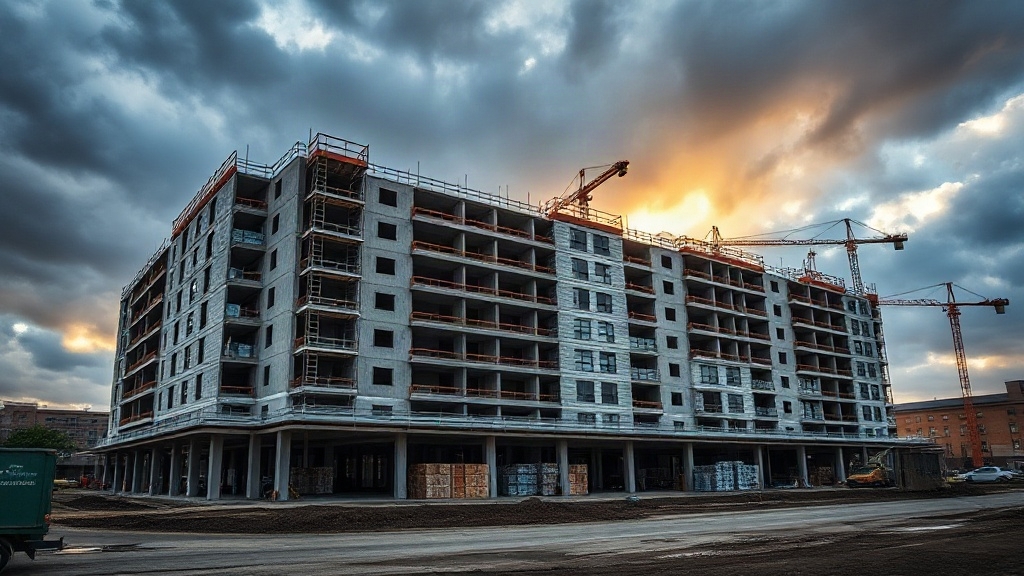
The Chandler data center deal is another milestone in Arizona’s booming tech environment. Its economic ramifications are profound and far-reaching. The increasing presence of data centers has significantly bolstered fiscal growth in the region. In 2023 alone, these centers contributed over $863 million in state and local taxes. The transition from planned residential developments to data center infrastructures in areas like Buckeye underscores a strategic shift towards commercial space usage, which aligns with regional growth trends focusing on robust development and economic diversification. This financial influx represents not just a stable revenue stream. It also acts as a catalyst for further economic development. The industrial sector’s strength in nearby regions mirrors the resilience of data centers in Arizona, highlighting the robust nature of logistic and tech facilities. Job creation is a key benefit of such investments. While onsite employment numbers are modest, the ripple effects are notable. Indirect employment involving electricians, IT professionals, and others is flourishing. The expansion of data centers continues to support Arizona’s economic framework. This promotes job growth across various industries. It also enhances the state’s competitive edge nationally.
Community and Government Perspectives
The Chandler data center contributes to economic growth but faces scrutiny from the community and local officials. Local government regulations stress community engagement, aiming to balance development with neighborhood impact. In 2022, Chandler amended its zoning code to regulate data centers. This mandates their restriction to Planned Area Development zones and requires noise baseline studies. Community Communication Protocol establishes a detailed communication protocol, enhancing community engagement and understanding of developments. This proactive approach is a response to resident feedback. It tackles issues like noise pollution and visual disruptions. Community groups express significant concerns. A 1031 exchange allows investors to defer capital gains taxes when swapping one property for another, potentially offering a strategic approach to mitigate any adverse financial impact from such developments. These concerns include high water usage during drought conditions and limited job generation. Chandler’s ordinance serves as a model for other cities. It influences regional policies through structured community dialogue and engagement.


Infrastructure and Sustainability Considerations
The intricately planned infrastructure and sustainability initiatives in Chandler’s data center developments place a strong emphasis on environmental stewardship. They also prioritize operational efficiency.
Transitioning from traditional water-cooled systems to modern electric air-cooling systems represents a pivotal advancement. These new systems significantly reduce water usage, aligning with regional sustainability goals.
Power upgrades, such as substation enhancements, ensure data centers can meet increasing energy demands. These upgrades do not compromise reliability.
Implementing robust power infrastructure and energy-efficient designs minimizes operational disruptions. This initiative reduces environmental impact while enhancing cost-effectiveness.
Chandler’s zoning regulations facilitate strategic placement of data centers within Planned Area Development districts. This controlled approach ensures compatibility with broader development plans.
The grandfathering rule mandates that existing centers adhere to updated standards. This promotes consistency in sustainable practices.
Assessment
The Chandler data center deal marks a pivotal moment for Arizona. It signifies the state’s emergence as a key player in the tech-driven environment.
The project promises substantial economic benefits. It will enhance job creation and attract further investments.
Community and governmental support underline the strategic importance of the initiative. There is also a strong emphasis on sustainability and infrastructure readiness.
As Arizona capitalizes on this opportunity, its position in the digital economy strengthens. This ensures long-term growth and resilience for the state.