
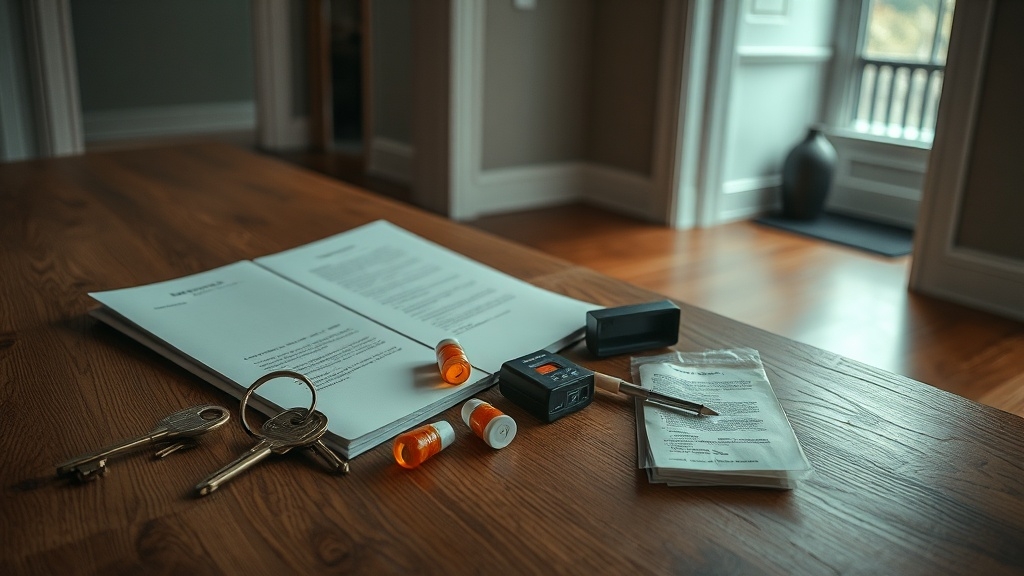


You can run operations and still get burned by six compliance errors.
Using blanket criminal-record bans instead of individualized fair-chance screening.
Skipping must-have lease disclosures (rent terms, lead-based paint, fair-housing language).
Mishandling security deposits or missing return deadlines.
Giving entry notice by unverifiable text with no proof.
Delaying small repairs until they become habitability claims.
Trying “self-help” lockouts or sending sloppy eviction notices that courts toss.
Keep going to see checklists that keep you protected.
Tenant Screening Mistakes That Break Fair Housing
Why do so many “safe” tenant-screening policies end up creating Fair Housing Act exposure? You rely on blanket rules and vendor scores, not facts, and that’s where plaintiffs’ lawyers live.
In criminal screening, a Los Angeles test found 44% of properties used flat bans, even for old, non–housing-related convictions. HUD and many Fair Chance laws expect an individualized assessment—age at conviction, time passed, rehab, and tenancy—so you must document why a specific risk is relevant. Some landlords face potential legal penalties up to $100,000 if found discriminating through these blanket practices.
Don’t outsource judgment to a CRA. Nearly half of landlords don’t read the underlying report, while errors like sealed cases or stale arrests show up.
Add algorithmic bias in AI scoring, and you can create disparate impact on race or national origin. FHANC audits found 47% of investigations gave Black testers less favorable treatment or less information than white testers with similar criminal records.
Build a review checklist and train staff.
Lease Clauses and Disclosures You Can’t Skip
Your lease should read like a compliance checklist.
Include clear rent payment terms: amount, due date, grace period, late fees, accepted methods, and holdover penalties.
State the lease term and renewal rules in plain language.
Add habitability language that tracks your state standards, and don’t try to waive repairs with “as-is” clauses.
Treat every line as enforceable.
If it’s vague, it will be argued.
Don’t skip disclosures.
For pre-1978 housing, attach the Lead Disclosure and EPA pamphlet, or you’re giving counsel an easy win.
Add a fair-housing compliance statement.
Include a maintenance summary that ties directly to your state’s habitability code.
Tighten Use Restrictions.
Spell out residential-only use, noise limits, expectations, and banned activities.
Keep restrictions specific so you’re not shifting your code-compliance burden.
In cities, cite the ordinance and notice rules so renewals or rent increases don’t backfire. Mold-related tenant lawsuits have led to significant financial distress for landlords, underscoring the importance of comprehensive lease agreements to mitigate liability.


Security Deposit Mistakes That Trigger Penalties
If you miss a security-deposit return deadline, you don’t just annoy a tenant—you can forfeit your right to withhold funds. You may also trigger statutory penalties that can multiply the payout. If you take unjustified deductions (like “wear-and-tear” repainting or undocumented cleaning), you’re inviting a dispute. In that dispute, you’ll carry the burden of proof and may end up paying damages plus fees. Given the renewed eviction moratoriums and their impact on the housing market, landlords should exercise heightened diligence in avoiding any compliance errors.
Missed Return Deadlines
Blow that 45-day window, and the case often stops being about the drywall patch and starts being about penalties.
You can forfeit the right to withhold altogether if you fail to send the itemization on time.
A court can also tag you for up to triple the amount wrongfully withheld, plus attorney’s fees, when there’s no reasonable basis for the delay.
The deadline runs from lease end, move-out, eviction, or abandonment.
Send the funds and interest by first-class mail to the most recent known address.
Build a process around mailing timelines and proof retention.
Calendar day 1, and compute interest monthly (Treasury 1-year or 1.5% minimum on $50+).
If you evicted the tenant, track whether they sent a certified-mail request within 45 days.
Keep copies and receipts for two years.
Unjustified Deposit Deductions
When does a routine turnover deduction turn into a penalty case?
It happens when you charge for pre-existing defects, normal wear and tear, or “cleaning” that matches move-in condition.
Courts expect you to meet evidence standards.
That means move-in/move-out checklists, invoices, and consistent photograph policies.
Without that, “scratches” and “damage” read as vague claims.
A tenant’s demand letter can quickly become a small-claims filing.
Many states hit hard.
Some allow up to 3x the deposit.
Louisiana can award the greater of $300 or double the amount withheld.
California, D.C., and Maryland allow treble damages for bad faith, even if judges apply them sparingly.
Protect your business by sending a written itemization with receipts within 14 days.
Describe each repair and cost, and refund anything you can’t document.
Right-of-Entry Notice Mistakes Tenants Fight
How do tenant disputes over “illegal entry” start so often? You rush a showing and give insufficient notice, then rely on a text you can’t later prove—classic improper documentation.
In Alabama you generally need two days. Alaska and Ohio commonly expect 24 hours, while Michigan leans on your lease and “reasonable” notice.
Enter at 7 a.m. or on a Sunday, and you’ve handed them a privacy claim even if your intent was businesslike.
- Put the reason, date, and time window in writing and save proof of delivery.
- Limit entry to reasonable hours (often 8 a.m.–5 p.m.; Michigan allows up to 8 p.m.).
- Treat “emergency” narrowly—fire, active leak, safety threat—or get consent first.
Strengthening tenant protections with clear guidelines and notice requirements, like those in Evanston, can help landlords avoid misunderstandings and protect tenant rights.
That’s how you avoid court, fees, and angry reviews.
Maintenance Mistakes That Trigger Habitability Claims
Illegal-entry fights usually start with sloppy notice and missing proof.
Habitability claims start the same way, only now the paper trail follows your maintenance decisions.
When you delay a $200 roof patch or a $150 HVAC tune-up, you create the timeline a plaintiff’s lawyer loves.
Small leaks become mold growth, damaged framing, and health complaints that courts treat as foreseeable.
Even tenant-caused clogs can trigger sewage backups.
You still must respond fast, document the cause, and restore safe service.
Pest infestations and failing heat or wiring also pull you into habitability territory.
Schedule extermination, inspections, and follow-up photos.
A California bedbug case hit seven figures.
Corporate neglect can lead to rising insurance premiums and increased vacancies as a consequence of prolonged maintenance issues and tenant dissatisfaction.
Your best defense is a work-order trail, invoices, and lease reminders that tenants must report issues early.
Eviction and Lockout Mistakes That Backfire Fast
If you change the locks, shut off utilities, or remove belongings to “speed things up,” you’re not enforcing a lease—you’re risking an illegal self-help eviction. (For example, California Civil Code §789.3.) That can trigger statutory penalties, damages, and even criminal exposure. Even when you use the courts, a defective notice—wrong rent amount, wrong deadline, or missing required language—can void your case. You may be forced to start over after burning time and filing fees. With funding cuts to crucial programs like the Emergency Rental Assistance Program, financial pressures on tenants are escalating, highlighting the importance of landlords adhering to legal processes to avoid exacerbating housing instability. Where do most investors get clipped: the lockout shortcut, or the paperwork details that look minor until a judge dismisses your unlawful detainer?
Illegal Self-Help Lockouts
Because one “quick fix” can turn into a criminal case and a six-figure lawsuit, self-help lockouts sit at the top of the landlord compliance danger list.
If you change locks, cut utilities, or toss belongings to “speed up” a move-out, you bypass courts and invite criminal penalties and tenant remedies.
Common illegal moves include:
- Locking out any residential occupant, even a “guest,” without an order (Fla. Stat. §83.67)
- Shutting off power, water, heat, or A/C to pressure payment
- Harassing with threats, visits, or nonstop calls
In New York, RPAPL §853 can trigger a misdemeanor and a money suit once access is restored.
In Florida, you can owe three months’ rent or actual damages plus attorneys’ fees.
Protect the business: document issues and use the court process.
Improper Eviction Notice Procedures
Although eviction feels like a paperwork sprint, Georgia courts treat notice service and timing like a hard gate—miss it, and your case often gets tossed no matter how “right” you’re on the facts.
If you can’t show service proof under the Georgia Code—who got the notice, how, and when—expect a quick dismissal and possibly court costs.
Get the notice timelines right.
HB 404 now requires a 3-day demand for nonpayment, while month-to-month terminations need 60 days.
Shave those periods and you hand the tenant a defense.
For lease violations, give a reasonable cure window and spell out the exact breach.
Include amounts owed, dates, the property address, and whether they can cure or must vacate.
Use statutory methods, document delivery, and file only when compliant.
Assessment
You’re in the “business of housing,” yet the fastest way to lose money is forgetting the boring rules.
Screen one tenant “by feel,” skip a disclosure, mishandle a deposit, or enter without proper notice, and suddenly you’re funding someone else’s attorney—what a return.
Treat compliance like capex: standardize forms, document decisions, calendar notices, and fix habitability issues fast.
Do that, and evictions become strategy, not litigation. Your NOI improves when your file would survive court.