



Uptick in DFW Listings and Inventory Growth
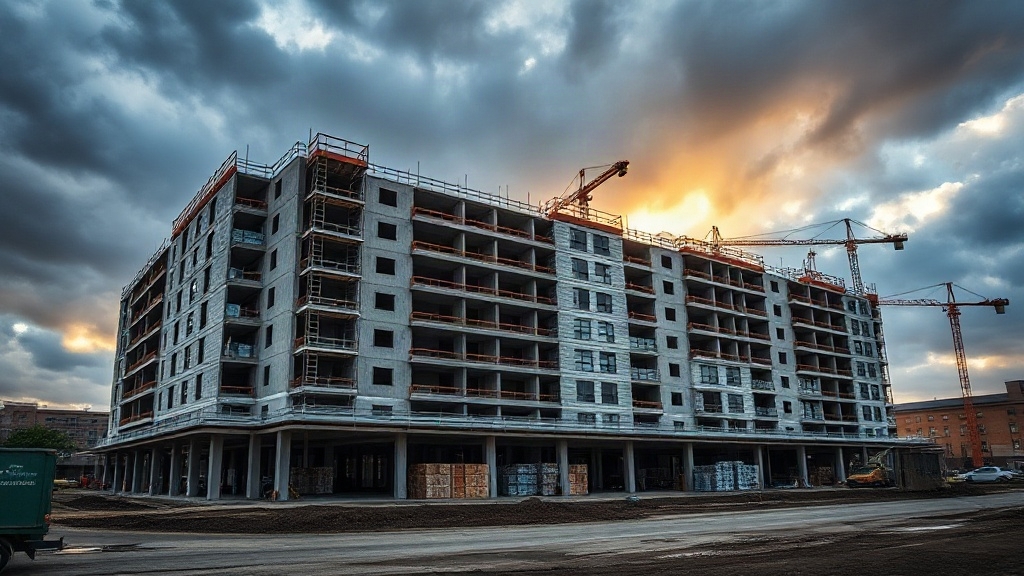
The Dallas-Fort Worth real estate market is undergoing dramatic shifts. April 2025 marked a pivotal moment with a staggering increase in active listings. A 47.2% year-over-year surge in listings showcases significant changes in inventory management and listing strategies. DFW saw notable increases, with Tarrant County experiencing a 27.3% rise. Rockwall County also reported an impressive 20.9% jump, resulting in a 39.4% rise in active inventory. Collin and Dallas Counties contributed significantly to the overall inventory swell. This escalation in listings reflects a focus on strengthening market presence through strategic inventory management. Unlike Philadelphia’s real estate market, DFW sustained buyer interest and broader market engagement. The increase in active listings for new construction was up 19.7% year-over-year. The changes signal an evolving market with new opportunities for buyers and sellers alike.
Shifting Market Dynamics and Pricing Trends
A sharp rise in listings echoes across Dallas-Fort Worth. This shift in market dynamics highlights pricing trends and the pressure they place on stakeholders.
Market adjustments are evident as Dallas home prices undergo a moderate correction. Broader economic factors influence this change, with strong demand that outpaces supply contributing to the ongoing market evolution.
The inventory in the area has surged by 53%-63%. This increase intensifies buyer leverage, prompting price reductions and extended negotiation periods.
| County | Median Price Change | Inventory Surge |
|---|---|---|
| Collin | -3.7% | 53% |
| Dallas | Modest Growth | 63% |
| Fort Worth | Moderate Decline | 60% |
This adjustment aligns with a forecasted price decline of around 2.8% across DFW by mid-2026. It illustrates the regional response to shifting economic influences.


Advantages in the Emerging Buyer’s Market
In the rapidly transforming environment of the Dallas-Fort Worth housing market, significant advantages arise for buyers amidst the newfound inventory surge.
Increased inventory has led to a remarkable 53% rise above normal levels. This provides buyers a vast selection of over 29,000 listings.
With 66% of homes selling below list price, buyers are utilizing new negotiation tactics. This helps them secure better deals.
This market shift allows for the use of buyer incentives. Tactics like rate buydowns and seller concessions further lower acquisition costs.
Price corrections in entry-level and mid-market segments present opportunities for varied budgets.
The expansion in housing options across 128 neighborhoods supports diverse preferences. This ensures that buyers can find properties matching their criteria amidst fluctuating economic conditions.
Similarly, persistently high mortgage rates have fueled rental demand, causing tenants to face increased financial pressure, but also encouraging some of them to consider homeownership in markets like Dallas where buyers are regaining leverage.
Regional Disparities in Listing Surges and Pricing
Why do regional disparities in listing surges and pricing unveil essential truths about the Dallas-Fort Worth real estate market?
Market segmentation plays a pivotal role in understanding these variations.
Collin County, with a 60% inventory increase, signals a deep market correction. This is highlighted by a 3.7% price drop.
In contrast, Dallas County has experienced a 6% price appreciation. This comes alongside a moderate inventory rise, reflecting a slower growth pace.
Denton County’s balanced conditions mirror a broader stabilization.
Meanwhile, Tarrant County’s steady prices, despite rising inventories, reflect nuanced pricing strategies.
Notably, sought-after suburban areas like Frisco and McKinney defy broader trends.
Homes in these areas are selling above asking prices quickly.
Consequently, the region’s market dynamics emphasize the importance of tailored pricing strategies.
Adapting effectively requires understanding these localized trends.
Projections and Future Outlook for the Dallas Market
Mortgage rates in the Dallas-Fort Worth region are poised for a subtle yet pivotal shift. They are gradually easing towards mid-6% levels through late 2025 into mid-2026.
This anticipated trend enhances buyer strategies. Reduced rates are expected to fuel demand and provide greater bargaining power.
Downward pressure on median home values is projected. Declines of 2% to 3% by mid-2026 offer strategic investment opportunities amidst ongoing corrections.
Inventory growth is transforming the area into a buyer’s market. This is due to increased listings and prolonged selling times.
The shift signals fertile terrain for buyers. They will be able to explore and negotiate effectively.
These dynamics, coupled with steadied mortgage rates, forecast a balanced market. It is one with ample investment opportunities.
Assessment
The Dallas real estate environment is undergoing a significant transformation. A surge in listings is reshaping market dynamics, granting buyers newfound leverage.
A marked increase in inventory, coupled with shifting pricing trends, underscores this shift towards a buyer’s market. Regional disparities persist, highlighting uneven growth across the Dallas-Fort Worth area.
Varied pricing effects are also evident, depending on the specific region. As the market evolves, stakeholders remain vigilant.
They anticipate further adjustments that may redefine the competitive environment in the coming months.























3 Responses
Isnt it ironic how fast the market swings? Last month, buyers were crying, now theyre celebrating. Dallas, youre a real estate rollercoaster! 🏠🎢
Interesting read, but isnt this surge in Dallas listings just creating a bubble thats bound to burst? What about long-term stability?
Interesting read but isnt the sudden leverage shift just a bubble waiting to burst? Is Dallas really ready for a buyers market?