



Vacancy Rate Trends and Office Space Dynamics
The Dallas/Fort Worth office market is undergoing a transformation as vacancy rates fluctuate. Professionals remain on high alert due to these changes.
Vacancy trends reveal a challenging environment. The rate stands at 17.9% by Q1 2025, surpassing the 10-year average of 15.46%. Developers are now considering the evolution of development strategy as a way to adapt to changing market conditions and consumer demands.
Early 2025 saw a modest decline in vacancy rates. However, this contrasts with a significant year-over-year increase.
Different office classes paint a stark picture. Stabilized trophy Class A spaces exhibit a 12.7% vacancy rate.
In contrast, lower-tier Class A and Class B spaces are experiencing vacancy rates of 28.2% and 22.4%, respectively.
Developers are now favoring the construction of high-quality, amenity-rich properties. This market bifurcation draws tenants to newer constructions. Net absorption over the past 12 months reached 2,371,692 square feet, indicating a positive demand for office space despite high vacancy rates.
Meanwhile, older buildings endure high vacancy rates. A peak is anticipated in 2025 before expected stabilization.
Rent and Lease Activity in a High Vacancy Environment
Asking rents in the Dallas office market present an unexpected rise, defying typical market dynamics. This offers a perplexing scenario for stakeholders.
Despite a vacancy rate near 18%, rents have increased by 2.8% to $32.94 per square foot. This rise is attributed to a demand shift towards amenity-rich spaces, maintaining rent stability in premium segments. Tenant flexibility is evident as leasing activity favors shorter leases and newer properties. Overall office vacancy decreases for the first time in several quarters as office-using employment continues to grow, which impacts rent dynamics positively.
| Submarket/Segment | Vacancy (%) |
|---|---|
| Trophy Buildings | 12.7 |
| Class A Lower-Tier | 28.2 |
| Overall Vacancy | 18.0 |
| Year-Over-Year Rent Growth | 2.8 |
| Leasing Volume Decrease (%) | 18.5 |
This divergence underlines significant tensions. Evolving tenant preferences and macroeconomic uncertainties play a critical role.


Market Absorption and New Construction Patterns
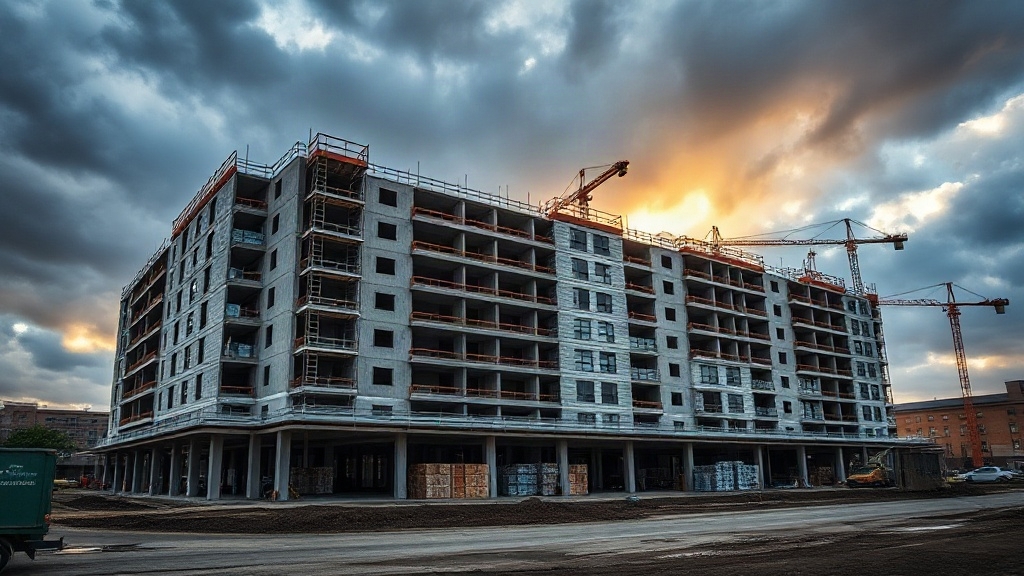
The Dallas office market is experiencing significant changes, marked by an urgent atmosphere. Net absorption patterns have shifted dramatically over the past year. Absorption rates have surged to 2.37 million sq. ft. from a minimal 130,879 sq. ft. This surge is largely driven by Class A spaces, which absorbed 1.5 million sq. ft. In contrast, Class B spaces faced negative absorption. New construction impacts are evident as supply additions slowed to 2.1 million sq. ft. This marks the lowest level since 2012. Developers are focusing on high-demand submarkets. Despite the challenges in the residential sector, commercial real estate is also dealing with persistent high rates, affecting the financial strategies of developers and investors. Currently, there are 2.6 million sq. ft. under construction. Strategic planning is leading to a flight-to-quality trend. Premium, amenity-rich buildings are benefiting from this shift. As a result, vacancy dynamics are being reshaped. Legacy properties are facing heightened vacancy pressures. This is due to tenant preferences shifting towards modern offerings.
Geographic and Economic Influences on Office Demand
Geographic and economic factors wield a substantial influence on the Dallas office demand environment.
The Dallas/Fort Worth metroplex sees significant variance in vacancy rates by office location. Areas like Las Colinas experience substantial absorption, while other submarkets report historical highs in vacancies.
Office location remains a pivotal factor as tenant preferences shift with remote and hybrid work trends. This shift affects both urban and suburban spaces.
Job growth within key sectors such as tech and finance helps stabilize demand. Yet, economic uncertainty coupled with flexible workspace preferences impacts traditional leasing patterns.
Rental rate increases reflect careful optimism despite rising vacancies.
Concurrently, the consistent construction of new office spaces further pressures economic stability. This makes maintaining equilibrium between supply and tenant preferences challenging.
Assessment
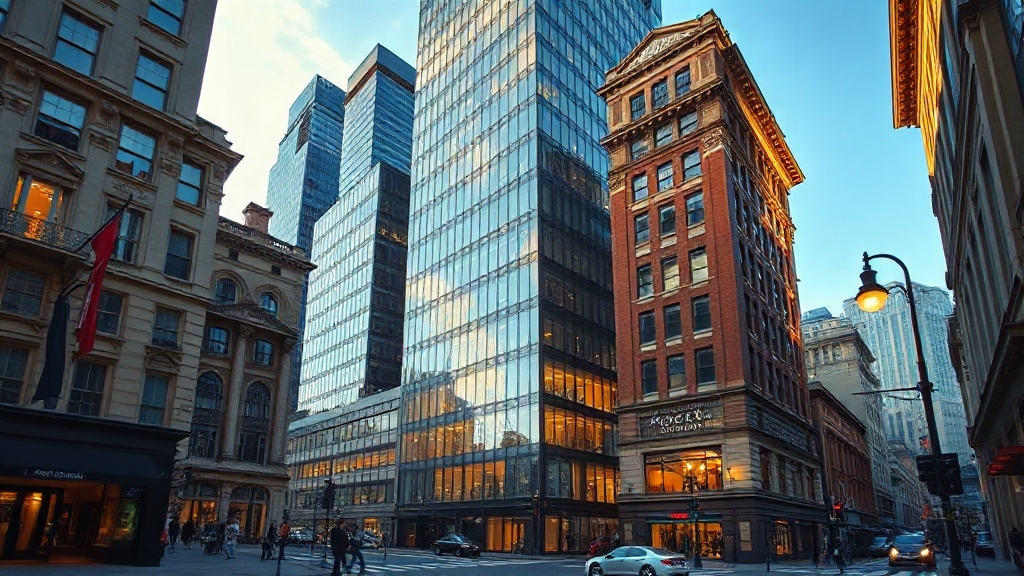
The rising vacancy rates in Dallas office towers highlight significant challenges in the commercial real estate sector. Shifting work patterns and economic uncertainty are key drivers of this trend.
This environment pressures landlords to adapt rent strategies and lease terms. High vacancy requires innovative approaches to attract tenants.
Developers face tough choices as new construction becomes riskier. Market absorption remains at lower levels, adding to the challenge.
Economic and geographic factors will continue to influence office space demand. Stakeholders are left maneuvering an uncertain and rapidly evolving terrain.



















4 Responses
Isnt it time we started converting these vacant office towers into affordable homes? Lets solve two issues at once. Just a thought.
Isnt the Dallas office vacancy spike due to companies opting for remote work? Arent we moving towards a digital, office-less future anyway?
Honestly, isnt this the perfect opportunity to convert these vacant towers into affordable housing? Just thinking out loud here.
Why build more office towers when theres an 18% vacancy? Maybe its time we rethink our urban planning. Just my two cents.