

Why Kevin Garnett’s Malibu Mansion Is Back at $48M
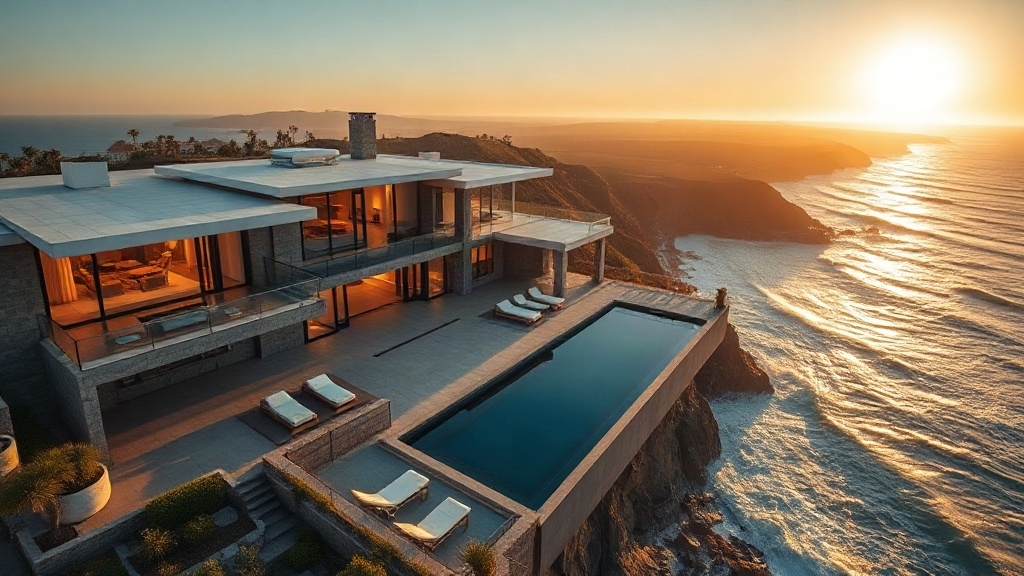
In a sharp reset, Kevin Garnett’s Malibu mansion has returned to the market at $48 million after a four-year renovation reshaped the unfinished estate into a completed luxury compound.
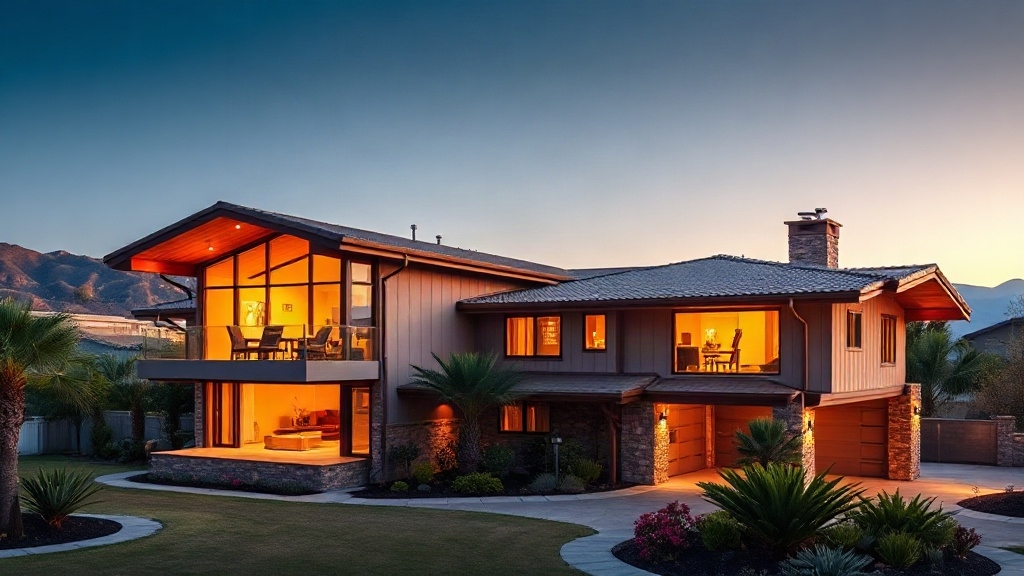
The reset reflects a major change in value. What sold incomplete in 2021 for $16 million now spans roughly 11,000 square feet with six bedrooms, eight bathrooms, and resort-level amenities. The estate also sits on a 6.74-acre triple lot, including a vacant parcel with its own address and potential for a second home.
That shift supports a different pricing strategy. Malibu’s luxury market is also contending with price cuts and rising inventory, which makes a newly finished estate stand out more clearly.
Market Forces
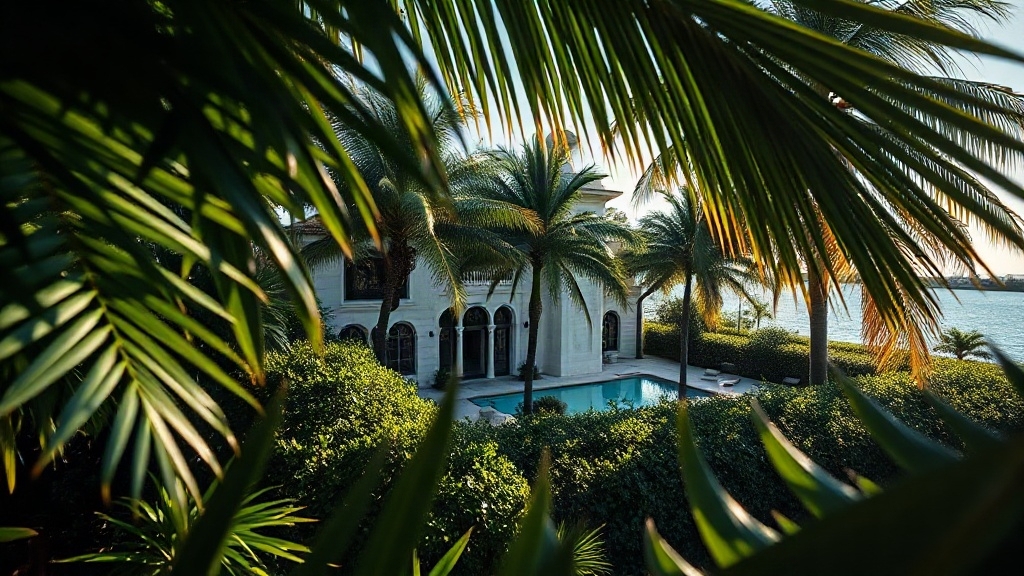
Current positioning targets buyers seeking a finished coastal estate, not a development project. Brokers are leaning on privacy, seven acres, ocean views, an infinity pool, a gym, pickleball, and outdoor living to match top-tier Malibu offerings.
Broader market demand also matters. Malibu is increasingly marketed as a full-time residential destination.
After legal disputes, title issues, and construction delays complicated earlier transfers, completion gives the listing a cleaner, higher-value story.
How Kevin Garnett Shaped the Malibu Mansion
Kevin Garnett’s imprint on the Malibu estate began with a decisive shift in scope after he bought the Pacific Coast Highway property for $6.4 million in 2003.
Rather than preserve the original six-bedroom house, he pursued a custom 11,000-square-foot compound across three parcels.
That decision established the estate’s basketball legacy through scale, privacy, and ambition.
Element: Combined parcels
Effect: Expanded estate footprint
Element: Circular motor court
Effect: Formal private arrival
Element: Infinity pool and decks
Effect: Strong indoor-outdoor focus
The design influence appeared in the gated approach, broad lawns, hillside siting, and ocean-facing orientation.
Plans called for six bedrooms, eight bathrooms, and a year-round modern residence rather than a casual retreat.
Although the interiors remained incomplete, Garnett’s framework fixed the mansion’s identity before any later finishing choices emerged.


How Roger Kurath Redesigned the Malibu Mansion
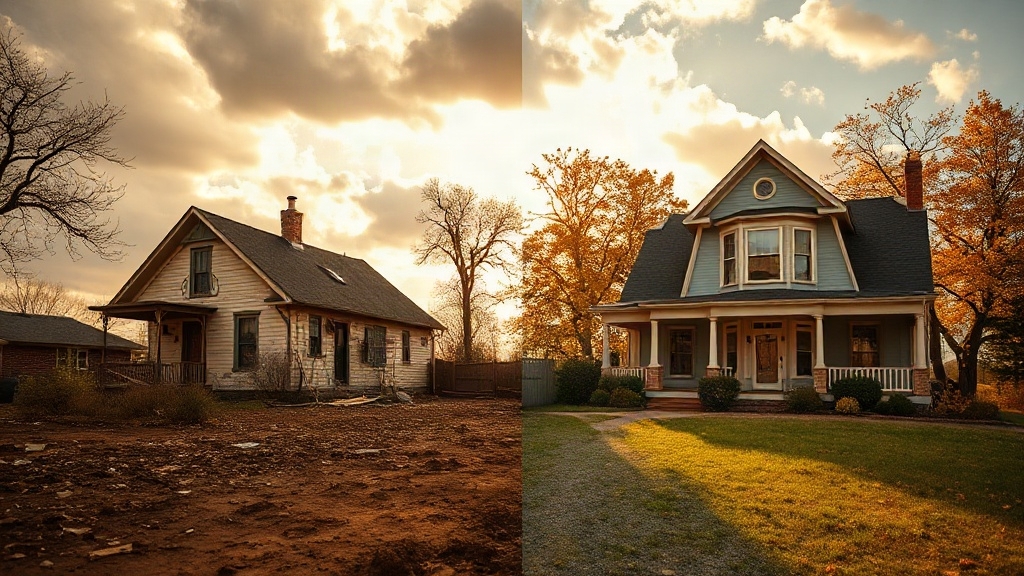
After the property changed hands, Roger Kurath was brought in to oversee a complete makeover. The work amounted to a gut renovation of the Malibu mansion.
Over several years, he upgraded the estate to meet newer fire-code requirements while keeping the general shell intact.
Because the plumbing fixed the basic layout, the redesign focused on surfaces, finishes, and interior composition.
Materials and European Direction
That constraint made the material palette especially important.
Kurath refreshed the exterior materials and colors, using fiber cement, stucco, and aluminum windows. These choices moved the house away from the look of a typical Southern California new-build.
Like other high-end California homes, the redesign emphasized durable materials that could better withstand the coastal climate.
Inside, he rebuilt the home down to the studs and filled it with European furnishings, art, and design references.
The result was a near-total visual transformation. It was defined by craftsmanship, bespoke styling, and a refined international character.
Why the Malibu Mansion Changed Owners
The ownership change stemmed from a failed 2021 sale of the unfinished Malibu mansion, not from a routine resale.
Kevin Garnett had agreed to sell the property for $16 million to developer Ando Hacopian. The structure of the deal left Garnett expecting only a portion of that amount after costs and liens.
He later alleged the buyer lacked the money to close, turning the transaction into a case of failed financing.
Lawsuits Deepened the Disruption
Garnett responded with a fraud lawsuit. A second case targeted the title and escrow companies involved.
Those legal entanglements clouded title, slowed resolution, and kept the asset from moving through a normal resale process.
With the mansion unfinished and debt tied to the property, lender intervention followed. Senior debt holder Vladimir Valsky of VIG Private Lending took ownership in 2022.
Why This Malibu Mansion Matters in Today’s Luxury Market
Beyond the litigation and lender takeover, the mansion matters because a $48 million Malibu estate sits in the ultra-luxury tier that helps define pricing at the very top of Southern California’s coastal market.
That price places it far above the national luxury threshold and inside a narrow trophy segment where only a few properties shape buyer expectations.
Scarcity and Signal
In Malibu, rarity matters as much as size.
True oceanfront estates and protected-view properties remain limited, giving exceptional homes unusual pricing power even as deal velocity slows and negotiations increase across the broader market.
These listings also act as market signals for buyers, brokers, and competing sellers.
Buyer Priorities
The estate reflects demand from ultra-wealthy buyers focused on privacy, architecture, ocean access, and wealth preservation.
Even when marketing periods stretch longer, distinctive coastal assets continue to draw attention as legacy holdings.
Assessment
The Malibu estate’s return to the market at $48 million reflects both its rare pedigree and the instability that can shadow trophy properties.
Its evolution under Kevin Garnett, and later redesign by Roger Kurath, reinforced its standing as a highly customized asset in a narrow buyer pool.
The ownership shift underscores how even elite coastal homes remain exposed to timing, valuation pressure, and changing luxury-market conditions.
That remains especially true in one of California’s most closely watched real estate corridors.