

What’s Driving Nashville Commercial Demand?
Surging population growth, diversified job creation, and logistics strength are deepening commercial property demand across Nashville.
The metro added 85,000 residents from 2020 to 2023, while annual growth near 1.5% is expected to continue.
These population inflows expand the tenant base and support absorption in well-located submarkets.
Strong demographic retention also improves long-term occupancy expectations and rent-growth prospects.
Nashville’s employment base spans healthcare, logistics, fintech, professional services, and manufacturing.
Job growth of 2.8% exceeds the national pace, reinforcing leasing demand and supporting new occupancy tied to relocations and expansions.
Major projects like LG Chem’s $3.2B battery plant further strengthen manufacturing-led demand and bring thousands of jobs to the region.
This economic momentum also aligns with continued migration patterns that sustain investor interest and broader rent growth across the metro.
Geography adds another demand engine.
Nashville sits within a 1-day drive of half the U.S. population, giving distributors and manufacturers a speed advantage.
Tight industrial vacancy near 4.8% reflects that continuing pressure on space.
Which Nashville Property Sectors Lead Today?
Deal-flow leadership in Nashville now sits with industrial, retail, and multifamily, while office remains a selective, uneven recovery story.
Industrial leads with about $1.9 billion in 2025 volume, supported by 3.9% vacancy, logistics strength, and durable warehouse demand. Retail follows with roughly $1.1 billion in sales and 4.1% vacancy, reinforcing its role as a stability anchor. In comparable housing markets, rising active listings and longer selling times are giving buyers more leverage, highlighting how supply shifts can influence broader real estate momentum.
Multifamily and Office Divergence
Multifamily stands near the top with about $1.4 billion in investment, backed by job growth, in-migration, and ongoing interest in affordable housing. Yet new supply is tempering rent growth, pointing to a measured recovery rather than a surge.
Office volume rose 75% to just under $900 million, but momentum remains concentrated in prime assets. Broader recovery is slower, with some upside tied to future supply easing and possible tax incentives.

Why Nashville Retail Real Estate Is Strong
Population-led demand and supply-side discipline have made Nashville retail one of the market’s strongest commercial property stories.
The market added 85,000 residents from 2020 to 2023, expanding demand across both core and outlying submarkets.
Tight Space Keeps Conditions Competitive
Vacancy stayed exceptionally low, measuring 3.2% in Q2 2025 and 3.6% in Q3. That remains below the 4.4% historical average.
Limited development has kept availability near historic lows. This has preserved landlord pricing power and supported steady occupancy.
Leasing Velocity Signals Durability
Asking rents climbed from $29.34 per square foot in Q2 2025 to nearly $30 by Q1 2026. Annual rent growth reached 4.2%.
Leasing has outperformed national norms, with spaces filling roughly two months faster. Service-based, experiential, and small-bay users continue to reinforce tenant resilience.
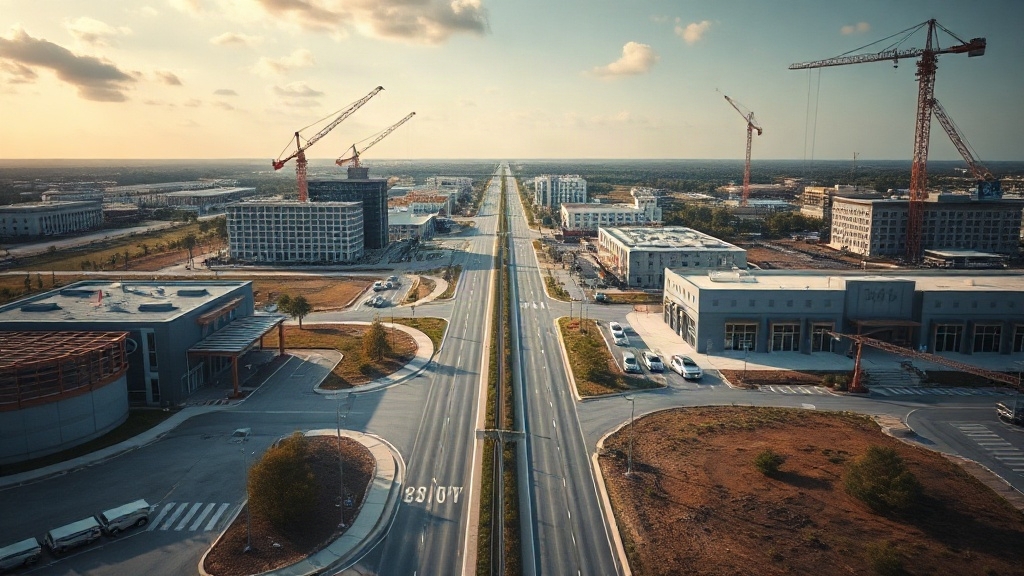
Why Nashville Industrial Demand Still Holds Up
Industrial demand in Nashville remains firm, even as retail strength has drawn attention across the broader commercial property market.
Several indicators show why the sector continues to hold up.
- Q1 2026 net absorption reached 552,000 square feet, up 8.4% year over year.
- Vacancy stayed tight at 4.4%, reflecting limited available space.
- Since 2020, the population influx added about 136,000 residents, supporting logistics and manufacturing users.
- Small-bay and modern facilities captured most leasing, especially for final-mile logistics needs.
Tight Conditions Support Occupiers
Leasing remained active through 2025, with 13 million square feet leased.
Q4 new leasing also rose 21.0% from the prior quarter.
Nashville’s role as a Southeast distribution hub, combined with steady employment growth and easing construction pressure, continues to reinforce industrial resilience.
What Nashville Office and Mixed-Use Trends Signal
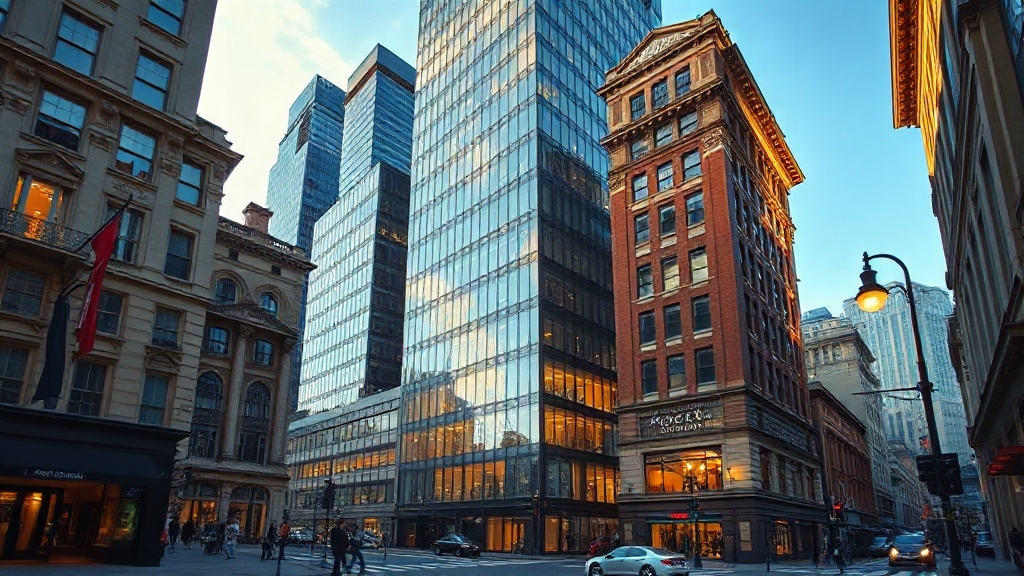
Shifting tenant priorities are redefining Nashville’s office market. Demand is concentrating in high-quality, amenity-rich Class A space across The Gulch, Midtown, and Cool Springs.
Recent absorption and rent gains indicate that better-located offices still hold pricing power. Leasing has favored buildings with wellness features and ESG credentials, supporting amenity-driven densification.
Mixed-Use Signals a Structural Shift
Vacancy remains elevated, yet the market appears to be adjusting rather than failing.
With fewer projects underway and much of the remaining pipeline already preleased, supply pressure is easing.
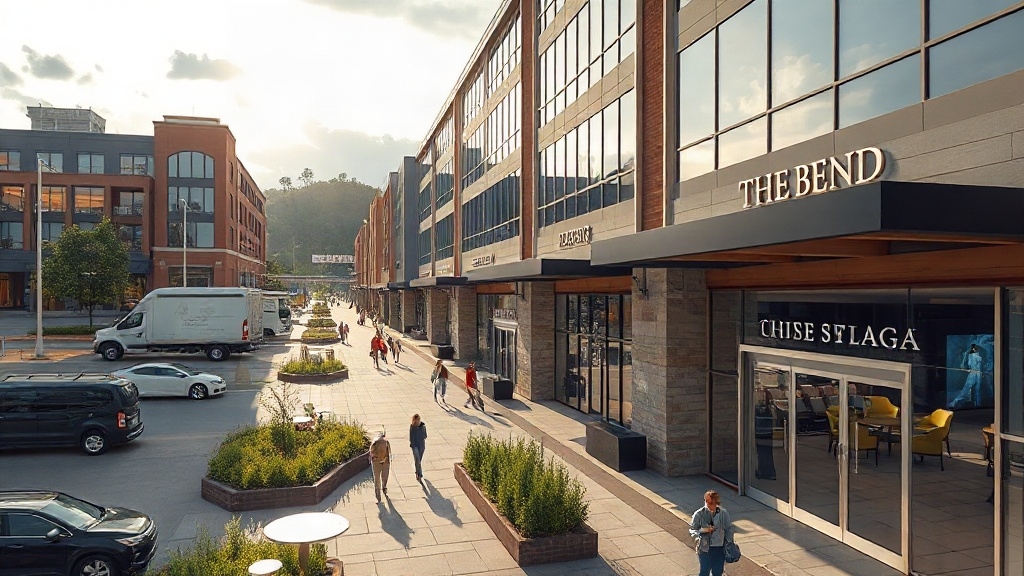
New office growth is increasingly tied to mixed-use districts. Walkability, housing, retail, and dining are reinforcing neighborhood placemaking.
That model is strengthening Midtown, the CBD, Brentwood, and Cool Springs. Employers are also diversifying footprints across urban and suburban nodes.
Assessment
Nashville’s commercial property momentum reflects sustained population growth, business relocation, and expanding consumer activity.
Retail assets continue to benefit from household formation and tourism-driven spending.
Industrial demand remains supported by logistics, distribution, and regional access advantages.
Office and mixed-use performance signals a market still adjusting to tenant expectations, location priorities, and capital discipline.
Taken together, these sectors indicate a commercial market with durable demand drivers.
Even so, the market is still being shaped by shifting costs, supply pipelines, and leasing conditions.