

Which San Francisco Office Conversions Are Moving Forward?
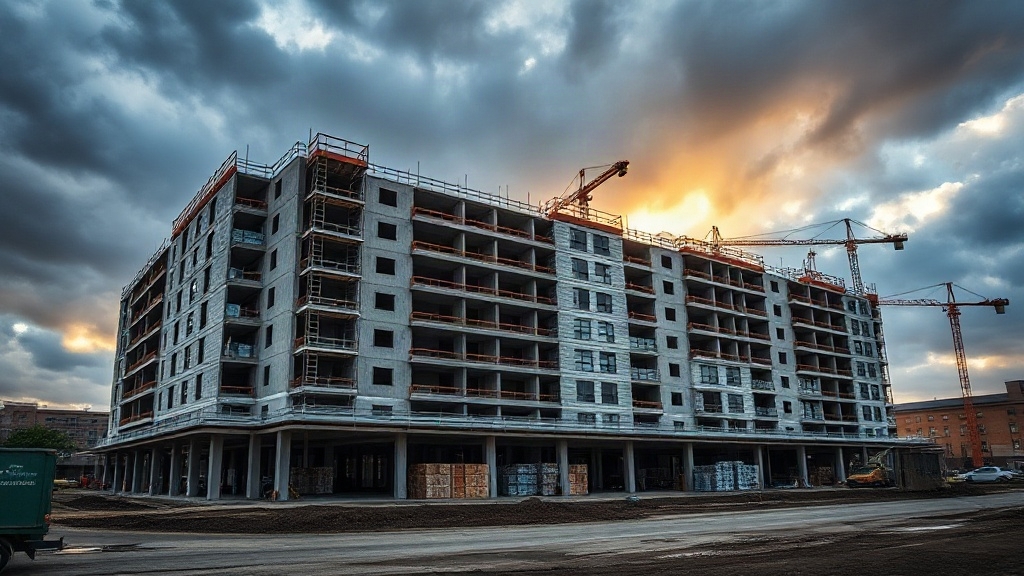
Three proposals are advancing in San Francisco’s office-to-housing pipeline, with plans for roughly 300 homes combined.
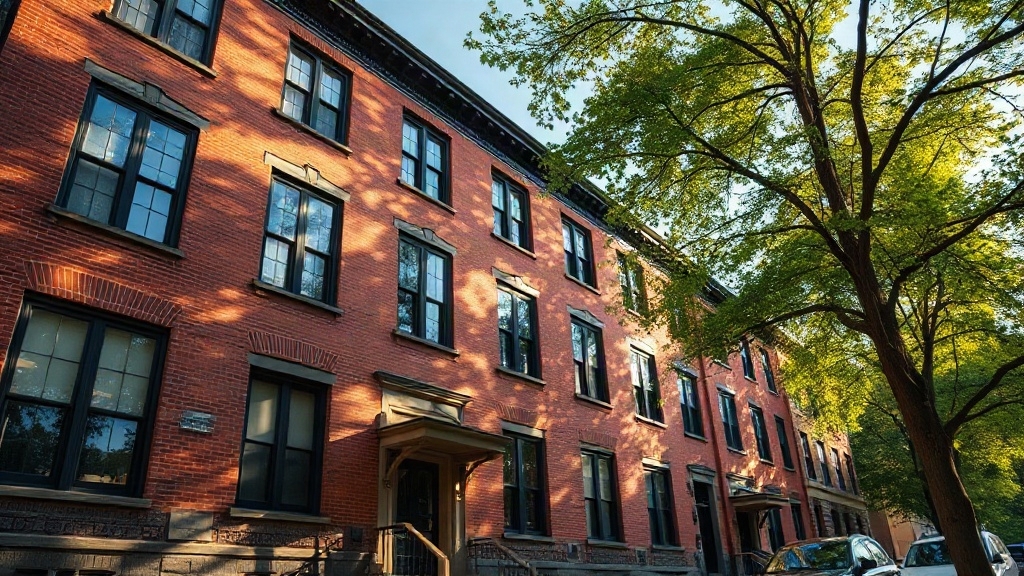
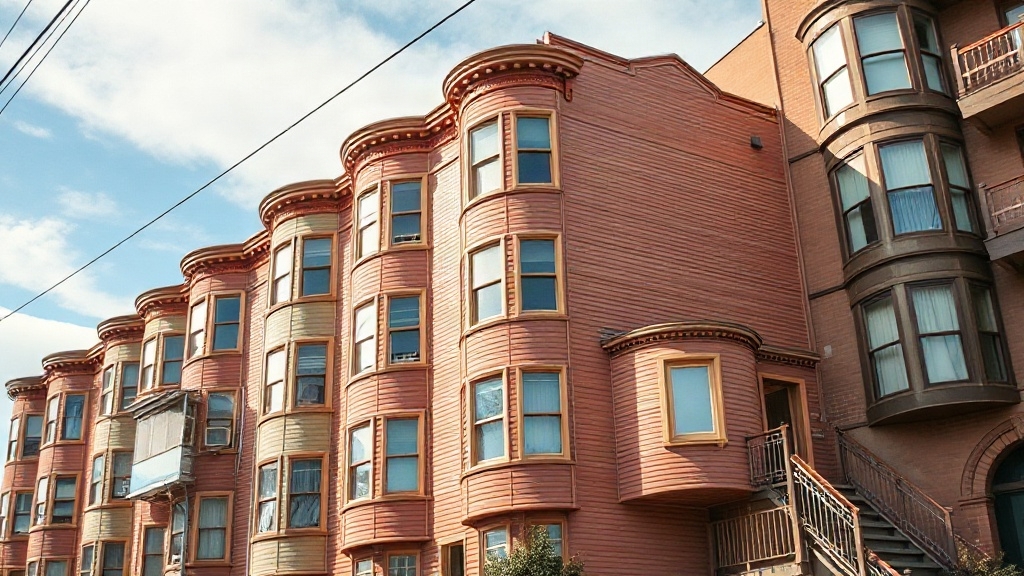
At 901 Market, Hudson Pacific Properties filed plans in July 2026 to convert a six-story neoclassical building into 136 homes.
The former Hale Brothers Department Store stands across from the Powell Street cable car turnaround.
The proposal is among the first major conversion filings in years to gain traction. Like other office-to-housing projects, it would adaptively reuse an existing structure rather than build on new land.
At 150 Hayes, Emerald Fund and SDG plan to turn a vacant six-story office building into 104 apartments.
The Civic Center project would add a seventh floor and replace the building’s 1968 facade with glass and bronze.
Washington Capital Management is backing the proposal.
The third plan, from Ocean Avenue Real Estate Fund, would create 70 homes at 2300 Stockton Street near the Embarcadero.
Together, the proposals form the main wave of activity in the city’s current office-conversion pipeline. San Francisco’s office-to-housing market remains a boutique business, with only a handful of distressed, obsolete buildings emerging as viable candidates.
Why Is San Francisco Turning Offices Into Housing?
With downtown office vacancy hovering between 28% and 34%, San Francisco is looking to convert underused buildings into homes and help address its persistent housing shortage.

Why Convert Offices?
The vacant office stock includes roughly 30 million square feet, much of it in older Class B and Class C buildings that struggle to attract tenants as firms favor newer space.
Leaving these properties idle weakens downtown activity and wastes buildings in a transit-rich area.
Conversion offers a way to add housing without relying entirely on scarce land for new construction.
Estimates suggest that reusing a substantial share of unleased offices could produce more than 11,000 homes, including workforce housing near jobs and services.
A larger downtown residential population could also support restaurants, retailers, and small businesses affected by reduced office activity.
The strategy connects the chronic housing shortage with efforts to restore foot traffic and economic vitality in the city’s core.
Like hotel conversions, office reuse can be faster and less costly than new construction because existing infrastructure is already in place.
How Do City Incentives Make Conversions Viable?
San Francisco is pairing tax relief, fee waivers, faster approvals and property-tax financing to make office-to-housing conversions more financially viable.
Transfer tax relief under Proposition C waives the city’s real estate transfer tax on the first transfer after eligible conversions, effective April 12, 2024. The citywide program is capped at five million square feet.
Removing a tax of up to 6% reduces a major upfront cost before construction begins.
Eligible projects in specified downtown districts can also receive waivers of inclusionary housing requirements and development impact fees, easing per-unit expenses that compound with retrofit and code-upgrade costs.
Permitting streamlining provides ministerial approvals and waives selected planning requirements, helping reduce holding costs, interest expense and entitlement uncertainty.
A proposed downtown financing district would reimburse eligible projects for annual property-tax increment for up to 30 years.
Together, the incentives could cut conversion costs by about 25%, according to city and industry estimates.
How Does San Francisco Compare With New York and D.C.?
The incentives now taking shape in San Francisco arrived after New York and Washington, D.C., had already built larger office-to-housing pipelines. San Francisco had about 300 units in mid-2026, compared with roughly 15,000 in New York and 8,500 in D.C.
Three expected San Francisco submissions, totaling more than 300 units, signal early momentum—not a broad conversion wave.
| City | Pipeline units |
|---|---|
| San Francisco | About 300 |
| New York City | About 15,000 |
| Washington, D.C. | About 8,500 |
Policy maturity also differs. New York and D.C. had established tax relief and related measures before San Francisco adopted property-tax support for up to 30 years, alongside fee waivers.
New York leads in scale; D.C. occupies the middle, with more developed policy and project execution. San Francisco’s framework is newer, and its pipeline remains concentrated in a handful of projects.
What Could Conversions Mean for Housing and Downtown Recovery?
Office-to-housing conversions could add thousands of homes downtown while bringing residents, customers, and activity into districts weakened by high vacancy and shuttered retail.
Housing Capacity and Downtown Activity
A 2023 SPUR analysis found downtown buildings could support about 11,200 units through conversion. A narrower estimate places capacity at 4,200 units in vacant Class B and C offices.
City programs have identified roughly 50 plausible properties with capacity for about 4,400 homes, potentially housing more than 7,000 residents.
That housing capacity could extend downtown’s activity beyond weekday office hours. More residents may support restaurants, shops, and transit use after work, strengthening neighborhood vitality and helping counter empty-building blight.
Limits and Financing
Conversions would not resolve downtown’s recovery challenges on their own. High construction costs and building complexity constrain project feasibility, even as financing incentives and streamlined approvals seek to reduce risks.
With about one-third of San Francisco’s roughly 100 million square feet of office space reported vacant, reuse could remain a significant, selective tool.
Assessment
San Francisco’s office-to-housing push is advancing as vacant buildings, high housing costs and city incentives converge.
But conversions remain constrained by financing, building layouts and the expense of meeting residential standards.
Even successful projects will take time to deliver homes and revive downtown activity.
Their broader impact will depend on whether developers can make the economics work at scale, turning a limited set of office properties into a durable source of housing.