


Regulatory Adjustments and Community Impacts
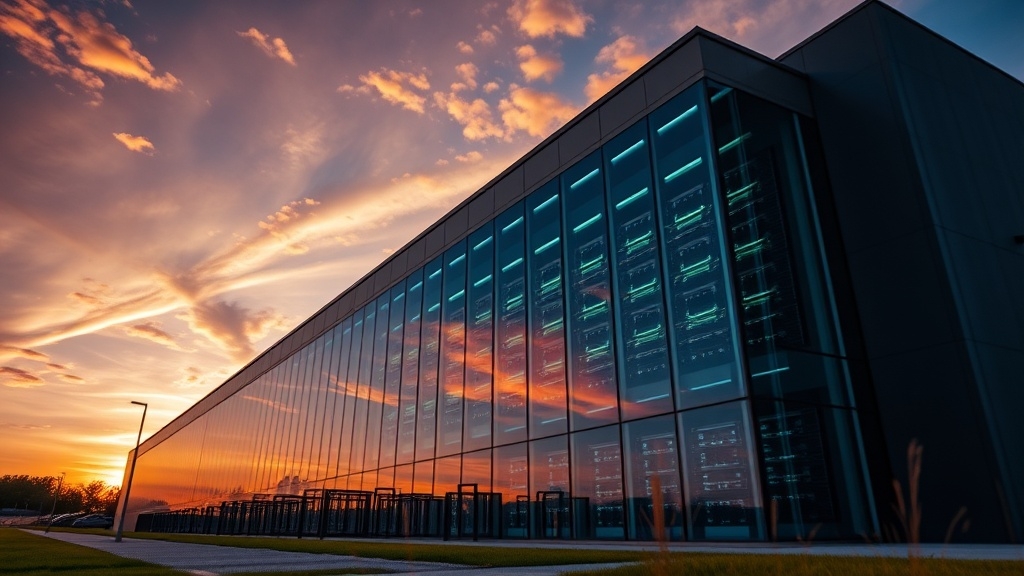
The discourse around data centers in Virginia is heating up. Significant regulatory adjustments have changed the development landscape. Zoning challenges are now a major focal point. Loudoun County has recently mandated special exception (SPEX) reviews for new data centers. This regulatory shift reflects a commitment to increased community engagement. Public hearings are now integral to the approval process. Applications near residential areas face stringent scrutiny. This is to safeguard community interests. The revised approach prioritizes community engagement. Public input is incorporated, addressing concerns about noise and property values. The change from by-right approvals signifies a more deliberate process. It aligns data center expansion with the community’s needs. The strategies aim to harmonize data center projects. In line with future assessments, the county staff is working on refining data center policies regarding land use, compatibility, aesthetics, and infrastructure. They focus on local land use and neighborhood character.
Energy and Environmental Concerns
Energy and environmental concerns loom large as Virginia experiences a surge in data center development. This expansion is unprecedented, fueling skyrocketing electricity demand. As a result, questions about energy sustainability gain prominence. Data centers in Virginia currently account for significant electricity consumption. Projections suggest this demand could nearly triple by 2040. This represents the highest increase since World War II. The rise places immense pressure on utilities to expand capacity. Without these data centers, it is projected that Virginia’s electricity usage would only increase by 15% by 2040. Significant investments in solar, wind, nuclear, and natural gas sources are necessary. These efforts aim to maintain energy sustainability. This demand exacerbates challenges like maintaining electricity rates. Upgrading infrastructure while adhering to environmental standards becomes crucial. The situation poses substantial challenges to Virginia’s climate goals. There are critical decisions to be made between economic growth and energy sustainability.


Economic Benefits and Workforce Development
Virginia’s burgeoning data center industry is revolutionizing the economic terrain. It offers both transformative opportunities and challenging demands for workforce development.
Data centers in Virginia have dramatically contributed to job opportunities. Approximately 74,000 jobs statewide are primarily during construction phases.
Despite the high economic output, including $9.1 billion in GDP annually, skill gaps exist. The high-paying roles, averaging over $134,000 annually, necessitate skilled technical workers like network engineers and IT specialists.
Local training initiatives strive to close these gaps by nurturing skilled labor pools. They focus on STEM education and vocational training.
This synergistic growth aligns educational curriculums with industry requirements. This ensures the data center sector continues to flourish while supporting a diverse ecosystem of jobs beyond immediate IT roles.
Infrastructure and Resource Management
The rapid growth of Virginia’s data center industry bolsters economic prospects, but it also poses significant challenges for infrastructure and resource management. Building infrastructure to meet even half the projected power demand from data centers is formidable.
Utilities must balance infrastructure resilience with the risk of stranded costs due to unmaterialized demand. Expansions require additional power generation and enhanced transmission capacity statewide.
With Virginia accessing the PJM Interconnection regional grid, resource allocation becomes complex. This requires upgraded transmission lines and interstate collaboration.
Amidst growth, significant water usage at data centers strains local supplies, further complicating resource allocation. Environmental impacts from stormwater runoff and emissions add to the challenge.
Local governments are working within regulatory frameworks to mitigate these issues. Their aim is for sustainable infrastructure management.
Assessment
The burgeoning demand for data centers in Virginia highlights a critical juncture in balancing economic growth and resource management.
As local communities grapple with both the potential benefits and challenges, stakeholders must traverse complex regulatory environments.
They also need to address pressing environmental concerns.
This rapidly expanding sector underscores the urgent need for strategic infrastructure planning and sustainable practices.
Ensuring both economic objectives and community well-being is crucial in this evolving technological milieu.
























3 Responses
Is the economic benefit worth the environmental impact and strain on resources? Just asking! Is profit over planet the new norm?
Honestly, does anyone consider the wildlife impact in these data center rushes, or is it all about economic benefits and job creation?
Interesting article, but are we ignoring the fact that this data center rush could potentially drain our resources and destabilize the local economy?