


Why the Apex Housing Acquisition Matters
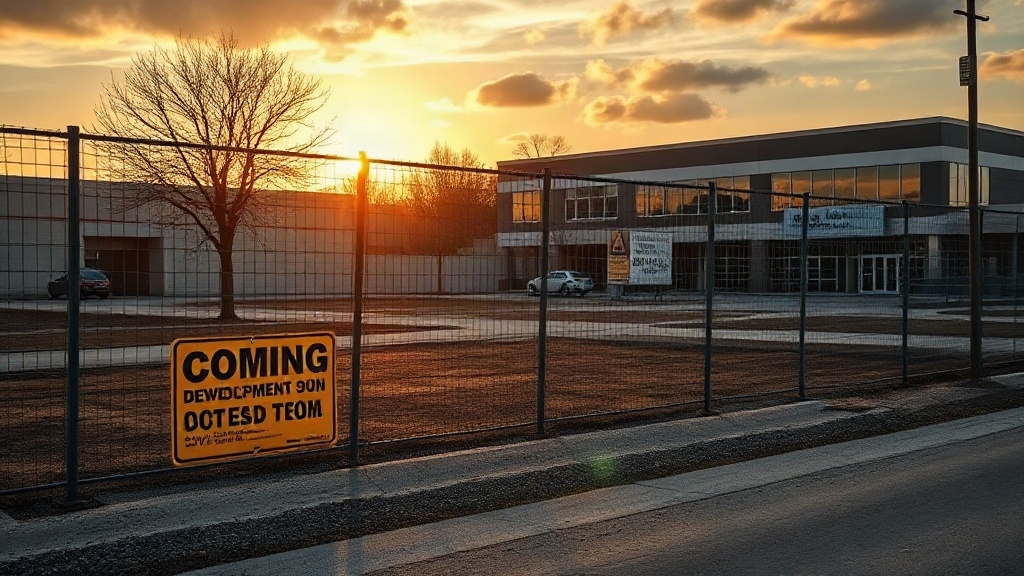
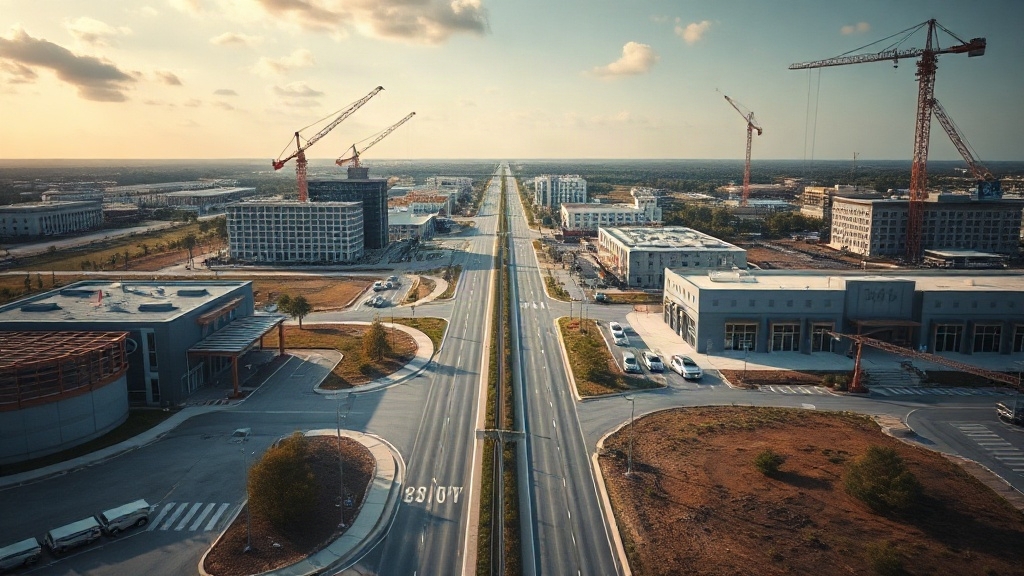
Urgency defines the significance of Apex’s 12-acre acquisition at Perry Road and Hughes Street, the town’s first direct property purchase for housing purposes.
This step matters because it shifts the town from planning to direct action. It aligns with the 2025 Housing Plan Update and expands municipal control over where future housing can be considered. In parallel, Apex has also broadened its global footprint through new offices in cities including Beijing, Chicago, and Geneva.
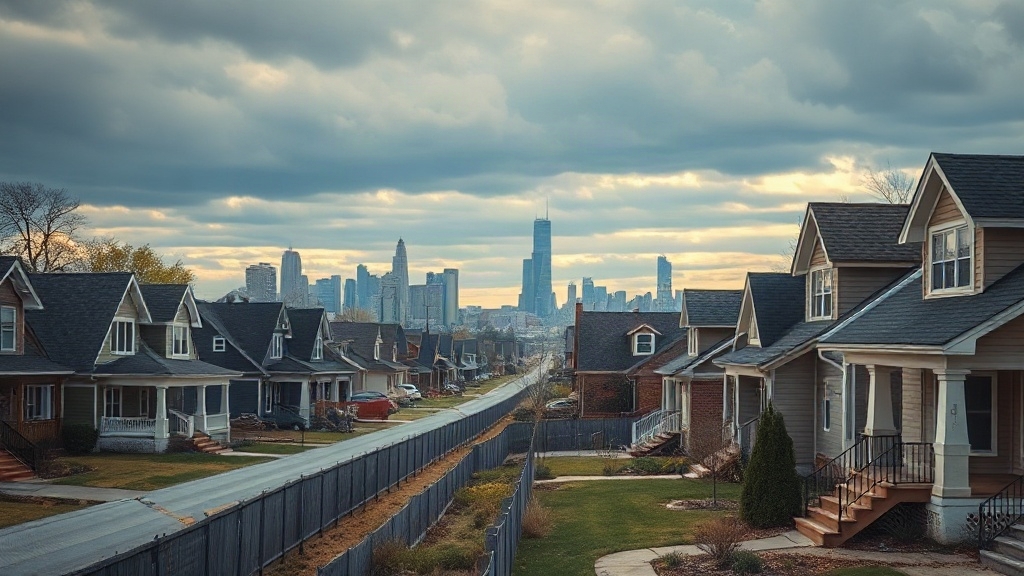
As public investment, the purchase gives Apex a practical tool for addressing local housing needs within a broader community development strategy. Similar urgency is visible in markets facing an affordable housing crisis, where rising rents and limited unit availability have intensified pressure on local governments to act.
Strategic Value
The site also reflects land stewardship. Apex has already directed more than $16 million toward water, sewer, public spaces, and downtown revitalization.
Those infrastructure commitments strengthen the site’s long-term usefulness and connect housing policy with growth management. The acquisition therefore represents proactive leadership, stronger planning capacity, and a clearer foundation for site-specific residential development.
How Workforce Housing Demand Supports the Deal
Demand pressure in rental housing strengthens the logic behind Apex’s workforce housing strategy.
Nationwide, both renters by choice and renters by necessity are increasing, while market-rate multifamily occupancy is projected at 94.5 percent over the next four years.
Student housing occupancy is projected at 96.0 percent, reinforcing a broad pattern of strong rental demand and fewer alternatives to leasing.


Why Workforce Assets Fit
That backdrop supports acquisitions aimed at serving local employees without displacing current residents.
In places facing active redevelopment such as the Berkshire Mall, workforce housing can complement broader efforts to stabilize jobs, retail access, and community investment.
Apex’s 306-unit and 380-unit communities are positioned to meet rising need for attainable housing, particularly for essential workers who help keep local economies functioning.
By improving the living experience while preserving affordability, the strategy supports tenant retention and helps stabilize the resident base as population patterns shift.
The approach aligns demand growth with community viability.
Why Limited New Supply Favors Rent Growth
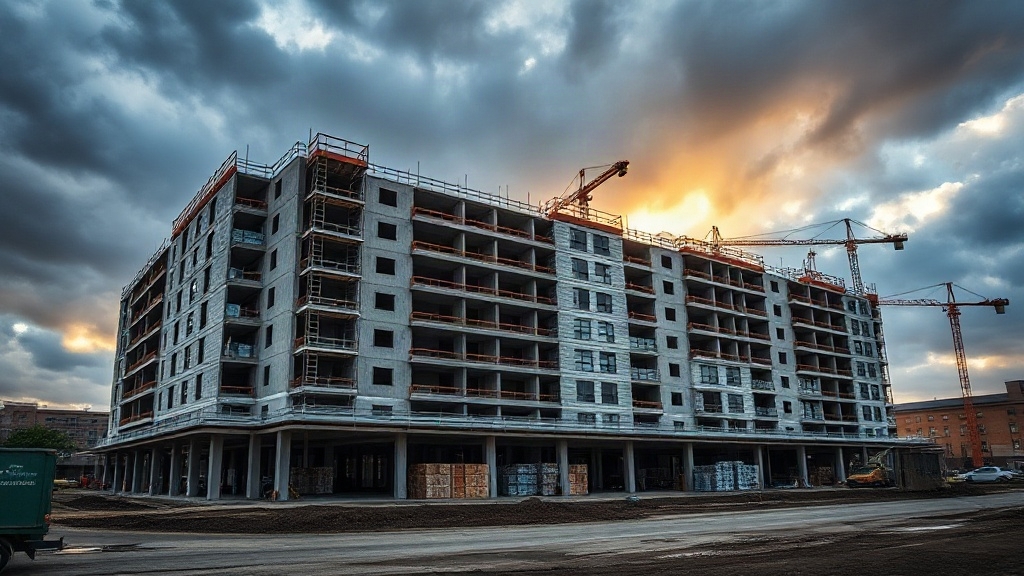
Tighter development pipelines are setting up conditions that historically support faster rent growth. This is especially true in areas where lower-cost housing options are already limited.
Low supply elasticity increases price pressure in neighborhoods with fewer affordable choices. Data shows that a 10% increase in ZIP code housing supply reduces average rent growth by 1.4%.
A 1% increase in new supply lowers average rents by 0.19%.
Supply Signals
| Indicator | Effect |
|---|---|
| Low supply | Faster rent growth |
| 10% more supply | 1.4% less growth |
| 1% more supply | 0.19% lower rents |
| High-supply metros | Slower increases |
| Class C units | Greatest relief |
Across more than 41,000 buildings in 223 metros, added supply reduced rent growth the most for older, lower-quality units. With fewer deliveries ahead, that moderating effect weakens.
That shift favors stronger rent growth.
How the Value-Add Plan Creates Upside
With new supply thinning, the upside increasingly shifts to execution at the property level.
At Waterchase and Cherry Grove, the business plan targets under-managed assets where re-positioning can liberate value through disciplined capital deployment.
Upgrades Sequenced to Lift Performance
Exterior enhancements come first. About $400,000 is budgeted at Cherry Grove for pool updates, clubhouse and fitness center improvements, a dog park, and repurposed common areas.
That front-end work is designed to improve first impressions, resident use, and competitive standing before unit work begins.
Interior Program Adds Rent and Efficiency
Interior renovations then focus on select units. They are underwritten at roughly $4,500 per unit, including cabinets, countertops, stainless-steel appliances, lighting, hardware, bathroom updates, and faux wood flooring.
Green Up participation may also reduce utility costs and financing spreads, supporting returns.
What This Deal Signals for 2026
Two signals stand out for 2026: capital is moving decisively toward high-performing suburban retail, and execution risk is being offset by stronger leasing fundamentals.
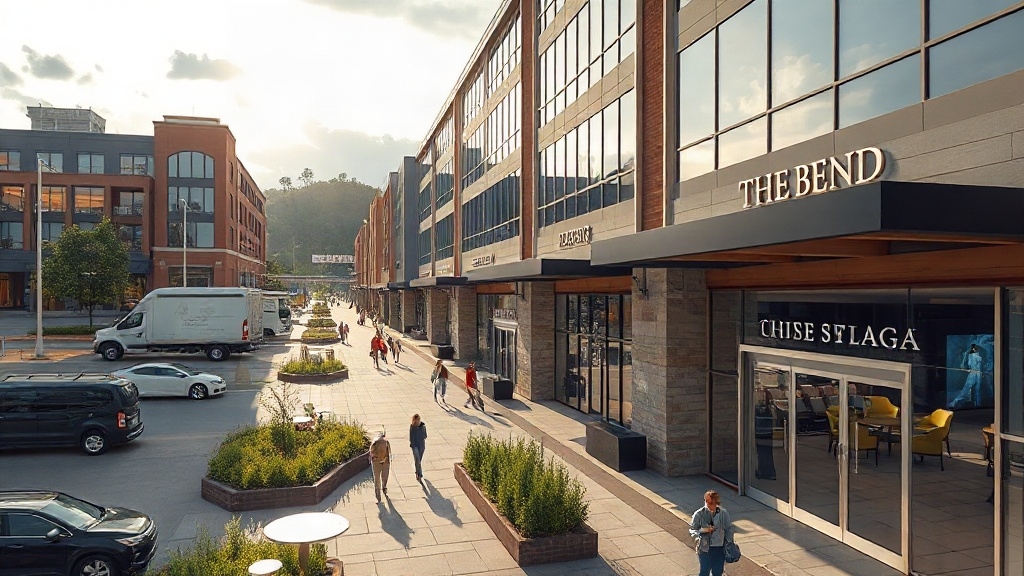
The Apex village points to accelerating retail densification in underserved growth corridors.
A 25 percent rise in retail CRE investment and 90 percent pre-leasing at groundbreaking signal growing investor conviction.
Projected 15 percent annual lease growth suggests investors now view select suburban retail as a scalable substitute for weaker office allocations.
Demand Pressures Intensify
Economic data reinforces that shift.
Regional GDP is forecast to grow 4.2 percent, unemployment has fallen to 3.1 percent, and inflation-adjusted rents are rising 6 percent year over year.
That backdrop supports consumer confidence, stronger tenant absorption, and cap rate compression already evident in comparable corridors.
Assessment
The Apex acquisition underscores how capital is moving quickly toward retail and housing nodes tied to durable employment growth.
Tight workforce housing supply and limited near-term deliveries have combined with a disciplined value-add strategy to strengthen rent-growth expectations.
The deal also reflects rising competition for stabilized assets with redevelopment potential.
As 2026 approaches, similar transactions are likely to intensify across constrained Sun Belt submarkets where population gains continue to pressure existing inventory.