

What Happened in the Cleveland Shooting Video?
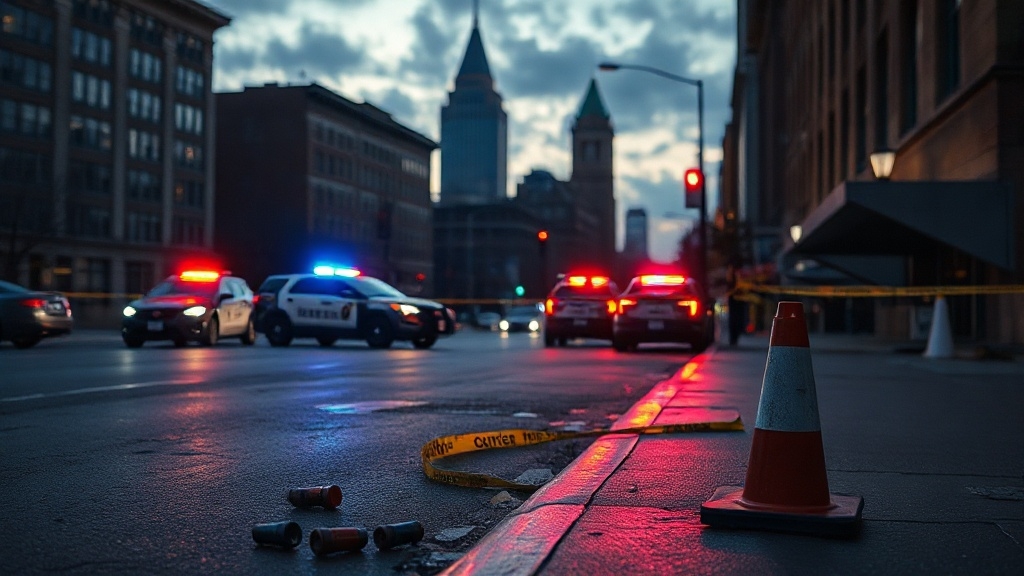
Gunfire abruptly shattered a routine real estate promotional shoot on Thornhill Drive in Cleveland.
A local agent was filming outside a home when multiple shots rang out nearby.
The recording changed instantly from a standard property presentation to a scene of panic.
Audio and movement in the footage showed active danger, as the agent and others broke off the shoot and rushed away for cover.
The clip captured reaction, not the shooter, which shaped public interpretation.
Authorities said the separate Glenville case is under Sheriff’s investigation.
Public Shock and Video Impact
After spreading online, the viral footage drew millions of views and intensified concern about everyday safety in Cleveland neighborhoods.
The incident also surfaced during a period of broader downtown strain, including rising vacancy rates and instability tied to high-profile property distress.
Reporting framed it as a stark example of how ordinary work can be disrupted by sudden violence.
Discussion also touched on media ethics and trauma response.
Viewers witnessed fear unfolding in real time.
Where on Thornhill Drive Did It Happen?
On Thornhill Drive itself, the incident was reported outside a residential property on Cleveland’s East Side, where a real estate promotional video was being filmed.
Available reporting consistently tied the scene to Thornhill Drive near Forest Hills Park. The event was described on a residential street segment rather than in a business district, freeway setting, or downtown area.
What public reporting indicates
News accounts placed the gunfire in front of a home used for filming, with nearby homes forming the immediate backdrop.
The location was identified through video footage, witness reporting, and police records referenced in coverage.
Publicly available results did not consistently provide an exact house number.
The most careful description remains that the shooting happened on Thornhill Drive, near Forest Hills Park, on a dense residential block in Cleveland.
Separate real estate reporting has also highlighted how zombie properties can weaken neighborhood appeal and increase broader market concerns.


Have There Been Other Shootings on Thornhill Drive?
Public reporting indicates the viral real estate video was not the first time Thornhill Drive had been tied to gun violence.
Recent Cleveland police calls-for-service data showed two shots-fired calls on Thornhill Drive within the previous seven days. That reporting linked the activity to the same street seen in the viral video and suggested the event was not isolated.
Earlier and Later Incidents
Historical patterns also appear in earlier coverage.
A 2015 Cleveland.com report described a drive-by shooting on Thornhill Drive in which at least seven people were shot. Police said gunfire came from a van reportedly taken in an East Cleveland carjacking hours earlier.
Later reporting also referenced a juvenile shot on Thornhill in a felonious assault case. Together, these incidents helped shape community perceptions and sustained public-safety concern there.
Why Did the Cleveland Video Spread So Fast?
Why did the clip travel so quickly across platforms?
The footage showed immediate danger in real time, with visible motion, sharp urgency, and an abrupt break from an ordinary work setting. Those elements made the scene instantly understandable on mobile feeds and encouraged replay, comments, and shares.
That pattern often triggers algorithmic amplification.
Relatability And Debate
The setting also mattered. A shooting connected to a residential business activity felt close to everyday life, not distant or abstract.
Because Cleveland gun violence is already a public-safety concern, the clip fit an existing local narrative and prompted emotional contagion.
Cross-Platform Reach
Its short-form format reduced friction for reposting across X, Facebook, Instagram, TikTok, and YouTube Shorts.
Local television coverage and embedded news posts further validated the video, multiplying discovery points and widening attention quickly.
How Could the Thornhill Video Affect Home Sales?
Across a housing market, a viral shooting video can alter buyer perception faster than long-term crime data. This is especially true when the footage is tied to a recognizable residential corridor.
In Thornhill, that shift could reduce showing activity and weaken offer strength for nearby listings.
Homes closest to the video may face longer marketing periods and sharper pricing pressure. That risk is even higher if they were already ambitiously priced.
Why Buyers Pull Back
Families may picture daily routines disrupted by fear. Relocation buyers may broaden their search to calmer micro-neighborhoods.
Sellers may also feel greater urgency as foot traffic softens.
Pricing and Recovery Risk
Area stigma can spread beyond the exact block. It can affect buyer perception across a small radius.
Agents may respond with security-focused marketing. Even so, short-term discounts can appear before closed sales confirm any lasting impact.
Assessment
The Cleveland shooting video intensified concerns about neighborhood safety, buyer perception, and market stability near Thornhill Drive.
Its rapid circulation transformed a local violent incident into a wider real estate risk signal with immediate visibility.
For agents, sellers, and residents, the footage underscored how quickly public safety fears can affect showing activity, pricing pressure, and confidence.
In markets already sensitive to crime reports, highly visible incidents can disrupt transactions and reshape demand far beyond the original scene.