

Who Bought Independence Mall and Why
Acquiring a major retail asset under pressure, Florida-based 4th Dimension Properties bought much of Wilmington’s Independence Mall and a nearby property in a deal reported at a little more than $50 million.
The buyer, founded in 2019, is a Hollywood, Florida-based owner led by principal Felix Reznick, a long-time real estate attorney.
The sale closed on August 5, 2025, after foreclosure proceedings and a possible auction tied to debt issues. The timing also reflects a broader real estate backdrop of high capital costs and cautious buyers, with many 2026 markets stalling rather than crashing.
A separate Southeast transaction saw Eaton Vance acquire a 798,000-square-foot industrial building in the Charlotte suburb of Statesville for $139 million, a Charlotte-area industrial deal.
Why It Moved
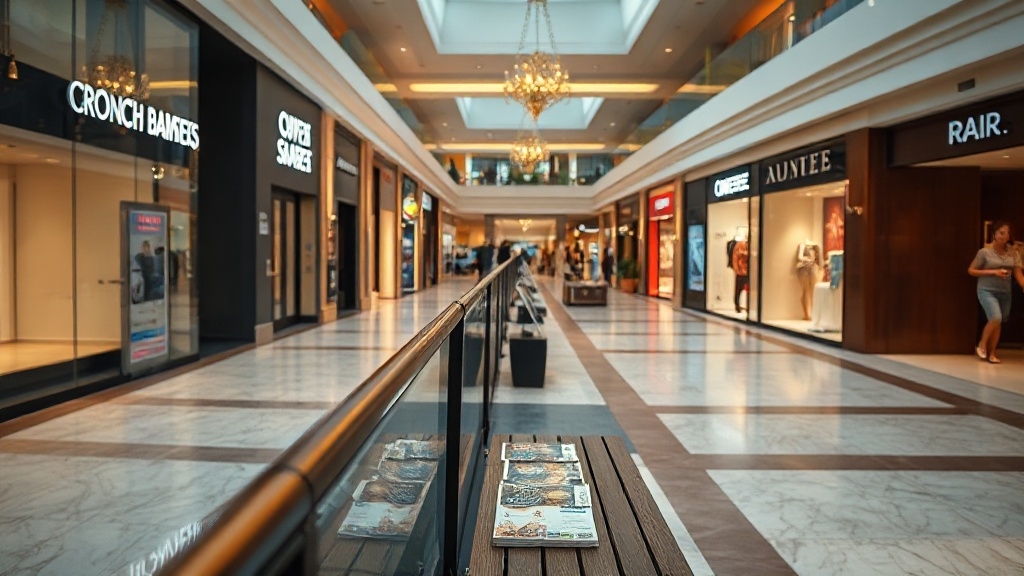
Reporting showed 4th Dimension targeted a 46-year-old mall with roughly 800,000 to 883,285 square feet and more than 100 businesses already operating.
That scale, existing customer base, and location supported its regional strategy.
The company has bought and renovated malls elsewhere and viewed Independence Mall as suited for repositioning, additional tenants, and broader destination appeal across southeastern North Carolina markets.
How the New Owner Plans to Revive It
Pursuing a faster turnaround, 4th Dimension Properties is focusing first on tenant recruitment, event programming, and operational changes designed to lift traffic at Independence Mall.
Management is pursuing a broader mix of uses, including a burger joint, a Pilates studio, and a large shoe retailer.
The approach also emphasizes tenant incubation, giving local businesses a lower-barrier way to test concepts inside a mall that already houses more than 90 businesses.
This kind of repositioning echoes broader real estate trends, where quality of life and convenience are increasingly important to attracting buyers and tenants.
Traffic and Convenience
The owner plans more community events to keep the property active beyond traditional shopping trips.
Seasonal programming and temporary attractions have been used to encourage repeat visits and longer stays.
Another near-term step is opening earlier, at 10 a.m. instead of 11 a.m., a low-cost move aimed at improving convenience for morning customers and service-oriented tenants.


How Sears Closures Affect Leasing Plans
Few anchor failures create as much leasing pressure as a Sears closure. It leaves behind a large-format vacancy that is much harder to replace than standard inline space.
With 142 closures announced, most in shopping centers, owners faced immediate anchor vacancies and slower recovery timelines. Backfilling often takes 18 to 36 months, while subdivision and rebuilding require significant capital.
Main Leasing Pressures
- Large department-store boxes are harder to relet than smaller shops.
- Closures can trigger co-tenancy claims and lease renegotiation.
- Older Sears rents were sometimes near $4 per square foot.
- Replacement tenants could pay several times more.
For stronger malls, Sears exits created a leasing opportunity. Landlords could pursue traffic-driving retailers, restaurants, and entertainment users.
This could improve both income and tenant mix. Weaker centers faced deeper disruption because lost anchors can reduce traffic and complicate leasing discussions.
Will Independence Mall Go Mixed-Use?
Independence Mall’s post-Sears strategy pointed clearly toward mixed-use redevelopment rather than a conventional anchor replacement.
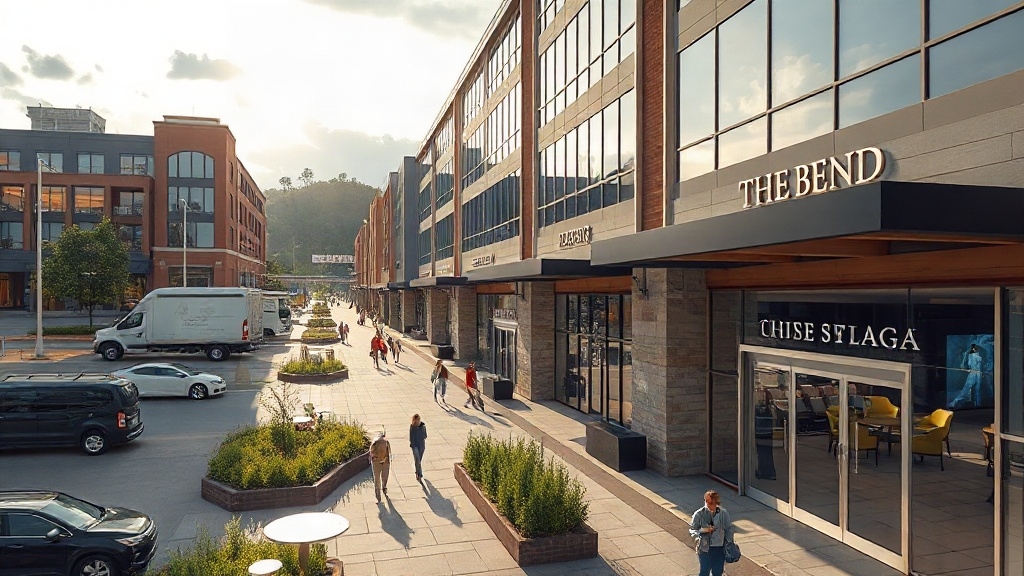
Plans presented by the new owner described a contemporary project called The Collection at Independence, with interior demolition, exterior-facing storefronts, restaurant streetscapes, and an open-air layout replacing part of the enclosed format.
New Uses on the Site
The Sears demolition was central because that parcel was slated for new construction, not another department store.
Reported concepts included residential integration, a hotel near JCPenney, a medical office building, green space, and outparcel development. These elements pointed to a broader lifestyle-center approach.
Status and Outlook
Officials were working with the City of Wilmington on public approvals and permits.
They hoped construction could begin later that year.
Taken together, the reported plans indicated that Independence Mall was being positioned firmly as a mixed-use district.
What the Sale Means for Wilmington Retail
As Concord Mall moves toward a reported sale, the transaction signals more than another ownership change in Wilmington’s retail market.
It points to likely repositioning as aging enclosed malls face pressure to adapt. With Abrams Realty & Development linked to the deal, the market may read the site as a candidate for mixed-use redevelopment rather than a traditional mall reset.
Immediate Implications
- older mall space may be reduced
- select retailers could be retained
- housing and medical uses may expand
- approvals could slow the redevelopment timeline
Existing merchants face tenant uncertainty as plans, pricing, and closing details remain undisclosed.
That limbo can affect leasing decisions and long-term occupancy.
For Wilmington retail, the sale suggests future growth may favor redeveloped centers with blended uses.
Legacy mall footprints appear less central as consumer demand shifts and infrastructure constraints shape outcomes.
Assessment
The sale of Independence Mall places a critical retail asset under new control at a time of persistent pressure on enclosed malls.
Future performance will likely depend on how quickly the owner can stabilize vacancies and address the former Sears space.
It will also depend on how effectively the property adapts to changing consumer demand.
The transaction signals continued disruption in Wilmington retail.
Its redevelopment potential carries both opportunity and risk for the broader market.