


What Happened at the Pfizer Building?
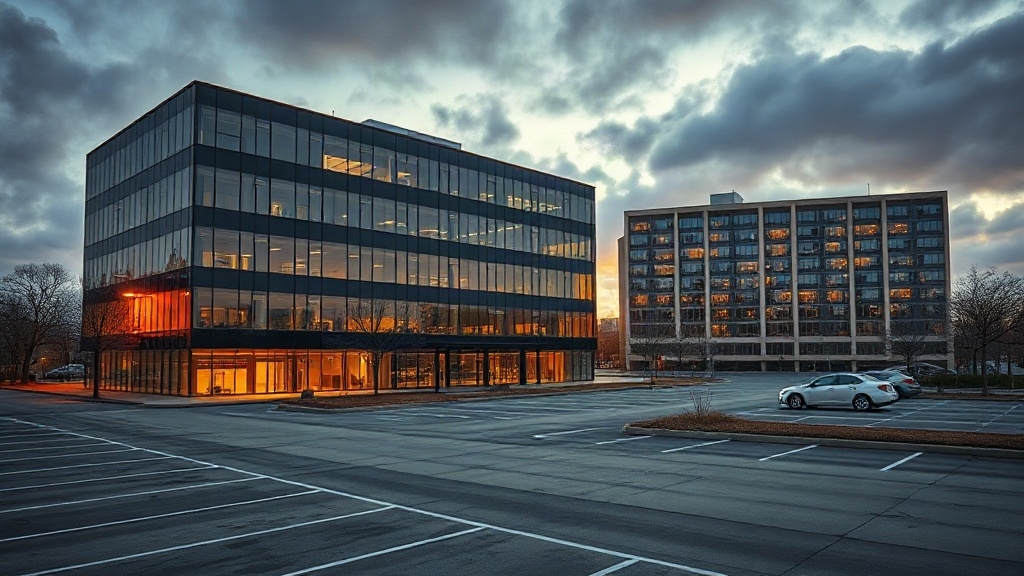
On Tuesday morning, a serious structural failure unfolded at the former Pfizer building at 235 East 42nd Street. Two steel columns buckled on the 21st floor of the newer section.
Several floors then sagged after support beams failed. Windows burst from their frames, and falling brick droplets were reported around 8 a.m.
A steamfitter also saw cracks on the 22nd floor and a bent column below. The project is part of a plan to convert the former office complex into about 1,600 apartments through adaptive reuse.
Emergency Disruption
FDNY launched a large response, and officials ordered immediate neighborhood evacuations. Four nearby buildings stayed cleared while inspections and stabilization continued. In contrast, Houston’s Arc project highlights how mixed-use design can support resilient urban redevelopment through integrated residential, commercial, and public spaces.
Residents at 222 East 44th Street were allowed back Tuesday evening.


Stabilization and Impact
Crews installed temporary supports from the ninth floor to the roof. Officials later said the building was safe and stable, with no injuries reported.
The incident halted the apartment conversion, raising tenant displacement concerns and potential legal liability.
What Caused the Pfizer Structural Failure?
Evidence increasingly points to a basic but severe construction breakdown: key steel reinforcements required by city-approved plans were not installed where the building needed them most.
Approved drawings called for two vulnerable columns to be reinforced from floors 9 through 21, converting older I-shaped members into stronger box columns. That work apparently never happened, leaving a reinforcement omission at the center of the failure.
Investigators found the altered structure placed far more weight on those columns than they were originally designed to carry. Materials staged on intermediary floors concentrated load in one area, cracking joists and intensifying column buckling.
Engineers also identified calculation and execution problems, including missing shear studs, questionable weld capacity, and inspections that apparently failed to catch the deviations before loading increased. The scrutiny echoes broader urban-development debates, including Los Angeles’ Skid Row project, where approvals, inspections, and community consequences are all under intense review.
Is the Pfizer Conversion Project Safe Now?
For now, officials say the Pfizer conversion site has been stabilized enough to prevent a broader collapse. Damage appears limited to a small section of the structure rather than the entire building.
Temporary shoring, emergency struts, and safety netting are now in place. FDNY drones and Buildings officials continue monitoring conditions.
Permanent steel columns are being manufactured to replace lighter temporary supports. That ongoing work underscores continued resident safety concerns.
| Measure | Status |
|---|---|
| Emergency shoring | Installed |
| Netting floors 19-22 | Deployed |
| Drone monitoring | Active |
| Permanent columns | In production |
Even with immediate risks reduced, the site is not fully resolved. Investigators are still reviewing construction records, witness accounts, and engineering questions.
For nearby occupants and future residents, tenant communication remains important as repairs continue. Agencies are also assessing whether work practices and structural decisions met safety standards.
Will Apartments at the Pfizer Project Still Rent?
Despite the July 2026 buckling incident, the Pfizer conversion is still expected to move toward leasing. Apartment marketing is slated for 2026, with first move-ins projected by late 2027.
That timeline remains tied to completion of structural work. It also depends on the broader Q4 2027 finish for roughly 1,600 rentals.
Demand Risks
Renter confidence could face pressure because the evacuation drew unusual attention to the project.
Still, officials said the building was not at risk of further collapse after stabilization. No additional buckling was reported once shoring was installed.
Market Position
The scale of the project, its Midtown East location, and its mix of studios through three-bedrooms support its leasing prospects.
A future pricing strategy will likely matter.
Affordable housing requirements, amenities, and strong developer financing may help the apartments compete for renters.
How the Pfizer Incident Could Affect NYC Conversions
In the wake of the Midtown East evacuation, the Pfizer buckling incident is likely to sharpen scrutiny of office-to-residential conversions across New York City.
Officials may revisit City of Yes incentives as investigators examine possible structural failure and require third-party review.
Developers could face stricter oversight, higher costs, insurance reforms, and slower approvals.
| Issue | Likely Effect | Market Signal |
|---|---|---|
| Regulation | Tighter reviews | Slower starts |
| Engineering | More conservative designs | Fewer additions |
| Costs | Pfizer premium | Higher budgets |
| Leasing | Short-term caution | Perception risk |
| Outreach | Community engagement | Trust building |
Engineering and Policy Pressure
The event underscores hard engineering limits in complex conversions, especially where added floors stress older frames.
Experts expect more cautious strategies, while broader fundamentals may hold if the problem remains isolated and timelines stay near current expectations.
Assessment
The Pfizer collapse scare intensified scrutiny of one of New York’s most closely watched office-to-residential conversions.
Even if investigators isolate the failure and safety measures hold, the incident may weigh on renter perception in the near term.
Leasing demand could remain intact if repairs, inspections, and disclosures are handled quickly and transparently.
More broadly, the event underscored how structural setbacks at high-profile projects can disrupt confidence in the city’s wider conversion pipeline.