The Discipline Behind Every Breakthrough
Success rarely begins with perfect timing, unlimited resources, or a clear path.
More often, it begins with discipline, persistence, and the willingness to keep moving when the outcome remains uncertain.
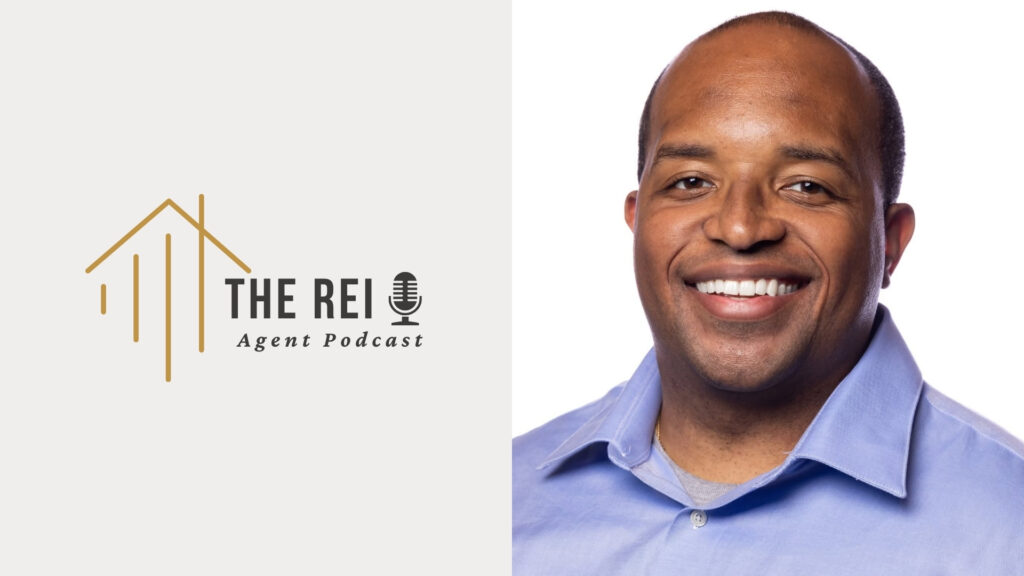
That truth sits at the heart of Mattias Clymer’s conversation with Dante Royster, a top mortgage broker, entrepreneur, author, podcast host, and former college basketball player.
After more than two decades in the mortgage industry, Dante has learned that lasting success is not built through isolated transactions. It is built through relationships, preparation, consistency, and a clear understanding of the life a person wants to create.
Dante founded Epic Mortgage in 2019 with a relationship-first philosophy. The company has expanded across nine states, while Dante has helped close more than 1,500 mortgage transactions during the past decade. Yet his story began long before the first loan application or investment property.
It began with discipline at home and on the basketball court.
How Basketball Prepared Dante for Business
Discipline Was Part of the Foundation
Dante grew up with a father who served in the Army Reserve. Schedules, routines, habits, and personal accountability were normal parts of daily life. That upbringing made organized sports feel familiar because basketball required many of the same principles.
Players had to arrive on time. They had to practice when they were tired. They had to accept correction, learn from mistakes, and continue working toward a shared objective.
“It made it easier for me to embrace sports because it was the same thing.”
Basketball also taught Dante how to cooperate with people from different communities, backgrounds, and belief systems. College teammates were recruited from many places, but their differences mattered less than their shared responsibility to the team.
“We have to find commonality and work together to get jobs done.”
That lesson translated naturally into business. Every successful transaction involves multiple people with different priorities. Borrowers, agents, lenders, attorneys, sellers, and investors must find enough common ground to reach the closing table.
The Point Guard Mentality
Dante played point guard, partly because he was not the tallest player on the court. His size meant he could not depend on physical presence alone. He had to become faster, more prepared, more conditioned, and more willing to do the small things that other players might ignore.
“As a short guy, you have to prove you can play, where a tall guy has to prove he can’t play.”
That competitive mindset followed him into the mortgage industry. Business does not automatically reward ambition. New professionals must earn trust, create opportunities, speak with people, face discomfort, and prove that they can deliver.
Dante learned that nothing would simply be handed to him. He would have to grind, communicate, prepare, and make things happen.
“You’ve got to be a grinder.”
What Michael Jordan Taught a Generation About Greatness
Growing up in the Chicago area gave Dante a front-row view of Michael Jordan’s impact. He even remembers attending a game at the old Chicago Stadium and becoming overwhelmed with excitement when Jordan patted him on the head.
At the time, fans understood that they were watching an extraordinary athlete. Years later, the deeper lesson became clearer. Jordan’s dominance was not simply a product of talent. It reflected years of repetition, sacrifice, competitiveness, and preparation.
Mattias and Dante reflected on how modern audiences now have immediate access to interviews, documentaries, books, highlights, and educational content. The habits of highly successful people are easier to study than ever before.
That access creates an enormous opportunity, but information only becomes valuable when it inspires action.
Surviving the Market Crash Through Faith and Focus
Controlling What Could Be Controlled
Dante began his mortgage career shortly before the financial crisis and real estate collapse. Fear spread throughout the housing market, and mortgage professionals were surrounded by uncertainty, criticism, and rapidly changing conditions.
He could not control the banks, the broader economy, or the people who suddenly no longer qualified for financing. He could control his mindset, work ethic, conversations, and commitment to finding people he could genuinely help.
“You can only control what you can control.”
Instead of allowing the crisis to define his future, Dante focused on the work directly in front of him. He approached real estate as a leap of faith and kept his attention on the mission rather than the distractions surrounding it.
“You have to believe.”
His faith-based mindset gave him the emotional strength to continue. He worked month by month, helped the people who were prepared to move forward, and refused to measure his potential solely by the conditions of the moment.
Confidence Is Built Through Education and Experience
The Value of a Financial Safety Net
When Dante entered the industry, he began with a salary plus commission. That structure gave him room to learn, practice, study, and develop confidence before transitioning into a fully commission-based career.
He described that period as a type of training ground. It gave him a harness while he learned how to serve clients and produce consistent results.
Over time, education and experience replaced uncertainty. After several years, he knew he could perform the job, create opportunities, and deliver value without depending on a guaranteed salary.
“I had a confidence that I could do the job.”
Graduation Is Not the End of Learning
Dante also challenged the belief that formal education marks the end of serious study. College may teach people how to learn, but professional success requires continued self-education.
Markets change. Financing programs evolve. Strategies that work in one environment may fail in another. Professionals who stop learning eventually lose their ability to guide others effectively.
Personal development, industry knowledge, and practical experience must continue throughout a career.
Homeownership Should Create Transformation
The First Question Is Not About the Property
Dante views homeownership as a transformation rather than a transaction. A mortgage is not simply a collection of documents and numbers. It can become a tool for stability, wealth creation, family progress, and long-term freedom.
For agents and investors who want to build their own portfolios, Dante believes the first conversation should focus on the final objective.
“What is your goal?”
Some investors want appreciation. Others prioritize monthly cash flow, tax benefits, short-term profits, or long-term retirement income. Each goal requires a different strategy, risk tolerance, financing structure, and timeline.
Without a defined objective, investors can easily begin copying someone else’s strategy. They may follow an online personality, chase the newest trend, or enter a deal that does not match their financial circumstances.
Dante encourages investors to conduct an honest self-audit. They must evaluate their income, responsibilities, available time, strengths, risk tolerance, and desired future before choosing a direction.
“Let’s think about the end first and then work our way to what it’s going to take to get there.”
The Danger of Constantly Changing Strategies
Every New Idea Can Become a Distraction
Investors often become excited after hearing about buy and hold properties, short-term rentals, midterm rentals, renovations, seller financing, or another creative strategy. Exploration is valuable, but constant switching can prevent meaningful progress.
A person may spend months reading books, listening to podcasts, watching videos, and comparing strategies without ever purchasing a property or submitting an offer.
“You get a lot of people that want to be investors, and they’re reading everything, but they never do anything.”
Education should prepare a person to act. It should not become a hiding place from risk, uncertainty, or the possibility of making a mistake.
Dante emphasized that wealth through property is largely a time-based process. Appreciation, loan amortization, improved cash flow, and portfolio growth all require time to work.
“The quicker you start, the better you’re going to be.”
Flexibility Can Turn a Difficult Deal Into an Opportunity
Mattias shared how changing market conditions have made traditional long-term rental numbers more difficult in some areas. Higher purchase prices and borrowing costs can weaken immediate cash flow.
Instead of abandoning a promising property, he and Erica adapted one recent investment into a midterm rental. The property’s location and character supported a different strategy, and that flexibility helped the numbers work.
Dante agreed that investors must remain open to alternatives. Seller financing, seller-financed second mortgages, flexible terms, and creative use strategies can make transactions possible when conventional structures fall short.
Creativity, however, must always be balanced with careful analysis. Attractive financing does not automatically transform an overpriced property into a good investment. Investors still need reserves, realistic repair budgets, and enough cash flow to survive unexpected expenses.
The Power to Walk Away From a Deal
Knowing the Numbers Creates Confidence
Dante believes one of the greatest powers an investor can develop is the ability to reject a bad opportunity.
“The best power you can have is saying no to a deal.”
Saying no requires more than instinct. Investors must understand their principles and evaluation standards. They may focus on cash-on-cash return, monthly cash flow, appreciation, the 1 percent rule, long-term equity, or another measurement that supports their personal strategy.
There is no single formula that works for every person. The right deal is the one that fits the investor’s goals, financial position, and operating plan.
“You get to choose what’s right for you.”
Mattias also stressed the importance of calculating expenses beyond the mortgage payment. Vacancy, repairs, capital expenditures, insurance, taxes, and property management can dramatically change the performance of an investment.
Knowing those numbers protects investors from excitement-driven decisions and gives them the confidence to walk away when a property fails to meet their standards.
Relationships Will Always Matter More Than Rates
Trust Creates the Next Opportunity
One of Dante’s most important lessons is that relationships remain more powerful than interest rates.
“Relationships beat interest rates all the time.”
Rates rise and fall. Markets accelerate and slow down. Lending guidelines change. Strong relationships continue creating opportunities through every cycle.
Dante encourages professionals to build deeper connections rather than treating networking as a quick exchange of contact information. Meaningful relationships require curiosity, generosity, consistency, and a sincere interest in another person’s life.
A former classmate, coworker, neighbor, teammate, or online connection may eventually become a client, referral source, partner, or trusted advisor. People sometimes recognize opportunities for others before those opportunities become visible to them.
Dante also believes repeat business represents an even greater compliment than a referral. When a client returns for another transaction, that decision confirms that the original experience created trust.
“The best compliment for me is repeat business.”
Property Is a Tool for Building Lasting Wealth
Good Debt Can Help Carry the Load
Dante sees property as more than a physical structure. It is an asset that can produce income, grow in value, provide tax advantages, and help support a family’s future.
He defines good debt in practical terms. When an asset produces enough value or income for someone else to help pay the debt, that debt can become a wealth-building instrument.
“Good debt is anything that I don’t have to pay, but someone else is paying for me.”
Mattias expanded on that concept by discussing the long-term power of a fixed-rate mortgage. The payment is based on today’s dollars, while inflation, rents, wages, and property values may rise over the following decades.
A mortgage that once felt enormous may eventually appear small compared with future property values and market rents. The investor gains control of an appreciating asset while gradually paying down the original loan balance.
That process may feel slow, but patience is part of the strategy. Wealth is often created through years of ordinary payments, consistent ownership, and disciplined decision-making.
Consistency Creates Opportunities That Look Like Luck
Dante’s final major lesson returned to the foundation established during his basketball career.
Consistency matters more than occasional bursts of motivation. Strong habits performed daily create preparation, credibility, knowledge, and momentum.
“You’ve got to create good habits and do them on a daily basis.”
People often describe success as luck when they only see the final opportunity. They do not see the years of studying, practicing, networking, working, and preparing that made the opportunity useful.
Preparation allows a person to recognize the moment and respond when it arrives.
“Luck is when the opportunity meets someone that’s prepared.”
Consistency does not mean ignoring rest, relationships, or enjoyment. It means completing the meaningful work before distractions consume the time that progress requires.
Building the Right Financial Team
Dante recommended The Energy Bus by Jon Gordon as a book that reinforces the importance of teamwork, shared purpose, and positive energy.
He believes every person should build a trusted financial team that functions like a personal board of directors. That team may include a mortgage professional, agent, accountant, attorney, insurance advisor, contractor, property manager, or experienced investor.
The right team understands the destination and contributes knowledge that one person may not possess alone.
“You’ve got to let people know where this bus is headed.”
Dante also wrote The Ultimate Mortgage Guide after realizing that borrowers continued asking many of the same questions he had heard since 2002.
Traditional education often leaves people unprepared to understand mortgages, alternative income programs, bank-statement loans, investment financing, and renovation funding. Dante created the book to make those options easier to understand and to help more people begin building wealth through property.
The Next Step Begins With Action
Progress Starts Before Everything Feels Perfect
Dante Royster’s story demonstrates that success is not reserved for people who enter the market under ideal conditions. He began before a historic financial crisis, developed confidence through continuous learning, and built his business through discipline and relationships.
His message is both practical and encouraging. Investors need clear goals. Professionals need strong relationships. Buyers need education. Everyone pursuing meaningful growth needs consistency.
Mistakes will happen. Strategies may need to change. Some deals should be rejected. Other opportunities will require creativity, patience, and courage.
The path forward does not become visible all at once. It develops as people prepare, take action, learn from experience, and remain committed to the destination.
“You’ve got to take action.”
That action may begin with one conversation, one financial review, one offer, one new relationship, or one decision to stop waiting for perfect conditions.
Discipline creates preparation. Relationships create opportunity. Education creates confidence. Action creates transformation.
Transcript
[Mattias]
Welcome back to the REI Agent. My guest today is Dante Royster, a top 1% mortgage broker, entrepreneur, author, and podcast host who has spent over 23 years helping families build wealth through home ownership. A former basketball player, Dante brought the same discipline, resilience, and competitive edge to his athletic career into the financial world.
He founded Epic Mortgage in 2019, a relationship first brokerage now licensed across nine states and has closed over 1,500 mortgage transactions in the last decade. He is also the author of the Ultimate Mortgage Guide and the host of the Epic Spotlight podcast. Dante, welcome to the REI Agent podcast.
Hey, thanks for having me. One of the things that I have always kind of regretted through, I was into basketball as well, you were a basketball player in elementary school, but then when I got into middle school, I kind of got more to be in like this, like my punk era, if you will, and maybe it was a little too cool for organized sports or whatever it was, or it wasn’t good enough. So I didn’t get on the team.
But I saw the like, kind of like the discipline I feel like people got when they were doing, you know, the organized sports. Also, you know, like the military, I feel like that’s another example of where people can really have life changing discipline introduced into them. Would you find that true for your life?
I mean, what kind of, you know, playing college basketball, what kind of, you know, lessons did you learn from that?
[Dante Royster]
No, definitely. Well, I mean, it was start off with my dad. My dad was, you know, in the military, you know, he was an army reserve.
So, I mean, I walked, you know, I came out of birth just in disciplinary. Hey, this is what you have to do. You know, here’s your schedule, here’s your habits.
And so it made it easier for me to just embrace sports because it was the same thing. You know, hey, you have to be here at this time. Okay, if you do something wrong, you got to run, you know, so it made complete sense for me.
And, you know, one thing that people sometimes forget about sports is, you know, the team building, you know, not only the discipline, but team building, working with others that may not even look like you, but it doesn’t matter the color of their skin. It’s just a matter of, hey, he’s on my team. I got to work with them.
So, you know, a lot of different ideologies, you know, when you’re in locker rooms, you know, people come from a lot of different places, especially in college, you know, you’re recruited. So, you know, I’m coming from the Chicagoland area, but I’m working with people that are coming off a farm, you know, and so it’s like, oh, okay. And we have to find commonality and work together to get jobs done.
[Mattias]
Now, you mentioned before we got on air here that you’re not a giant tall person. Did that put you at point guard? What position did you play?
[Dante Royster]
Yes, definitely. I played the point guard.
[Mattias]
Okay. What kind of overcoming of, you know, that challenge of, you know, like, I don’t know if like do people overlook you right away when they first saw you or like, I mean, did you feel like you had to like have a chip on your shoulder, if you will, to like kind of like prove yourself for that reason?
[Dante Royster]
Yeah. I mean, from a, you know, I’m a highly competitive person. I’ve always been competitive, a little feisty at times and, you know, definitely being short.
It’s one of those things, especially in basketball, you know, as a short guy has to prove he can play, where a tall guy has to prove he can’t play. So, you know, I’m not always going to be the first guy picked if I walk into a gym, but then I got to show what I can do, you know? And so I have to be, you know, that much faster, that much in shape, you know, endurance, all those little things and be willing to do the little things to show my way.
And I think that carries into business, right? You know, I think that carries into real estate. You got to be a grinder, you know, especially so that kind of maybe helps us out.
You know, when I wake up, you know, I know I got to grind, you know, nothing’s going to be given to me. You know, I got to go out and make it happen. And so that is, you know, talking to people, being uncomfortable, you know, all those things, you know, are commonalities that I see from sports into, you know, real estate.
[Mattias]
Yeah. Well, I mean, coming from the Chicago area, I’m sure Michael Jordan has been an influence of yours over the years. He was a huge one for me, for sure.
And I think the older I got, you know, when I was a kid, it was just, this guy’s amazing. This is so cool. The older I got, like learning about, you know, his work ethic and how much he put into getting to be that good, that dominant, I think speaks volumes.
You know, there’s other examples of that. I think, you know, through the years, like having read Arnold Schwarzenegger’s book, you know, just the theory of like putting in, what is it? 10,000 reps.
Like, you know, you can kind of build in the confidence of yourself that like, if you put in the work, you can achieve a lot. And so I think it’s partly, you know, having those role models to kind of guide yourself after, and then also just not letting yourself be a victim and kind of, you know, in this space, you have to hustle, you have to grind. It’s going to be tough when you first start, especially, you’re going to have to push through a lot of adversity to try to get to where you want to be.
And I think those kind of role models and having maybe experienced that yourself as well, it’s got to be invaluable.
[Dante Royster]
Oh, 100%. You know, it’s one of those things I’m kind of jealous of people just starting out now, because they can use YouTube and see all those, you know, conversations and read those books. You know, we were in that moment where it was happening real time, you know, and this is before YouTube and before all the highlights.
So we were in awe. I remember, you know, my parents had season tickets with a bunch of other families that kind of, you know, broke them out. And so we would go to games.
And I remember being at the old Chicago Stadium and Michael Jordan patted me on my head. And I just went screaming, like, hey, he patted me on my head. I mean, so, you know, we were in awe and didn’t realize just what we were watching, you know what I mean?
And now we look back and see the highlights, like, man, this guy was incredible. I mean, obviously amazing. And it’s just one of those things where it’s like, you know, to the point of, you know, I’m jealous because now I can reflect and hopefully people are taking the time to read those books and to watch those and get inspired of just how, you know, the 10,000 hours, you know, I didn’t, you know, those weren’t really references used back in the 90s or the early 2000s.
But now, because of information has gone out, now we know what it takes really to be successful.
[Mattias]
100%. Well, when you got started, you were, you got started right before the big recession in real estate. And I’m sure that had to add to the, you know, the difficulty of kind of getting the business off the ground.
There had to have been mass fear in the market and, you know, especially probably a lot of fingers being pointed at the loan side of things, right? What was that like? I mean, what got you through that time?
[Dante Royster]
You know, I think real estate in general is a leap of faith. I think you take a leap of faith and you have to believe. And so you have to have a faith-based mindset.
And so really my strength within me just being confident of who I am and what I’m trying to accomplish, kind of keeping my eyes on the prize. I mean, just, you know, overall, there’s so many different distractions. And obviously that was a serious situation going on, but it’s a distraction and you kind of have to focus on, okay, what’s important.
And you can only control what you can control. So, you know, I’m not going to, you know, bail out banks. You know, my bank account is not big enough for that.
So, you know, I can only control my work ethic each and every day, talking to folks and some of the people I could not help, right. They were in, you know, adverse situations and, you know, I can say, Hey, I’ll call you back. But I, my mission and my job, especially from a living perspective is I have to help the people that can’t qualify and want to move forward in that month, you know, and I have to kind of go to month to month and grind it out.
But, you know, that’s really what kept me going is just kind of my faith base. And, you know, and I was fortunate enough to be younger, so I didn’t have as many responsibilities at the time, you know, I didn’t have the family and the kids and all that stuff. So I was very fortunate in that manner too.
[Mattias]
Yeah, absolutely. I mean, that it does make things easier. The grind phase can be tough.
And when I started, you know, we didn’t have any kids. I was married. It was a second job to start.
I think that I’m probably a bit, maybe I could have been a little faster if I had gone, you know, full, full on. But I was certainly full on in my mind. Like I was like, you know, completely dedicated.
This is what I was going to do. Never lost sight of that was up, you know, at five every morning, you know, answering emails, everything I could do to build that business. And this was 2014.
It was a slower time. It wasn’t, there wasn’t as much business happening. But, you know, it was, I think it’s that, you know, showing up for yourself, the, you know, proving to yourself that you can do it and that determination that can really, you know, make the business eventually work out.
I do think a lot of people, it’s going to be hard to start as a second career with this. Were you in a commission only thing when you started, or was this like kind of like a salaried with the bonus kind of a role?
[Dante Royster]
So when I started off, you know, I worked for a company and I was salary plus commission. And that allowed me, you know, as I look back now, that was more like tREIning wheels. It gave me the ability to really tREIn and, you know, self-educate.
You know, I think that is the concept that when we go to college, you know, there’s a level of like, Hey, I’m done. You know, I don’t need to study anymore. I’m, you know, all these books, I can throw them away.
But really, I think college allows us to, you know, learn the ability to self-educate. And, you know, when we enter our profession, we have to continue to self-educate ourselves and personal development is so important. And so by the time, you know, probably within five years, I was stREIght commission.
I had a confidence that I could do the job. So, you know, within that first five years of having a salary and having, you know, a little bit of a harness per se, a little bit of a parachute, you know, it allowed me to kind of cut that parachute off and go stREIght commission, which I’ve been, you know, over the last 20 years because I’ve had a confidence that I can deliver.
[Mattias]
Yeah. That’s one thing that is difficult as a real estate agent to get into is some sort of position that allows you to have a steady income and then also, you know, sell on the side. So, you know, I talk about in my book that it’s an ideal thing would be to be like an assistant to another agent or something that’s really successful, helping them out as much as they can.
Maybe you’ll get some referrals off that as well. But that certainly, I mean, that’s more or less the avenue I took because I didn’t really jump into it full time until I saw like, you know, I had the business built that would sustain me. And also we were focused on paying off our student loans.
If we had, you know, a bunch of debt hanging overheads and we’re like, we don’t want to go through the, you know, have kids go through that whole process. And, you know, we wanted to get rid of that before we jumped into our careers fully like that. So, but yeah, I wish there was more opportunity like that in the agent space.
Now, Dante, your philosophy is that homeownership is a transformation, not just a transaction. For a real estate agent who closes deals every day, but has not started to build their own portfolio, what is the first conversation you would have with them about using real estate to build their own long-term wealth?
[Dante Royster]
So I would say ultimately that the first conversation is going to be about what is your goal? You know, a lot of times I see real estate investors, I see real estate agents, they don’t really have necessarily a goal in mind. They, you know, they get excited about the concept of I’m an investor, but it’s like, what is your strategy?
You know, are you looking to fix and flip? Are you looking to cash flow? Are you looking at appreciation, managing the property?
What are you trying to obtain? What are your goals? And then we can kind of, you know, reverse engineer that concept.
You know, so I always think, let’s think about the end first and then work our way to what it’s going to take to get there because, you know, it’s different strategies out there. There’s no right or wrong. You know, I’ve seen people invest in properties just for the tax write-off, but I’ve also seen other people looking for the, you know, the positive cash flow per month and the rest goes on.
So strategy is very important on what are you trying to do? Because I feel like a lot of times, and you can let me know what you see out there, but we have this concept of trying to keep up with the Joneses. And so we kind of try to follow or mimic maybe somebody in particular that you’ve been watching and seeing, but that might not be suitable for you and your dynamics and your situation.
So you really have to look at yourself, kind of do a self audit and evaluate the situation and see what’s best for you.
[Mattias]
Yeah, no, that’s really, really true. And, you know, there’s different seasons. If you’re just starting off being an agent, you obviously need to know that if you’re jumping into being self-employed and it hasn’t been two years of income, then it’s going to be difficult to get a traditional mortgage.
That’s something to note. But then also if you do look at trying to reduce your taxable income, there’s also a balance there, right? Because I mean, you have to be able to qualify for a mortgage if you’re not reporting any income to the IRS.
It’s going to be hard to get a mortgage, right?
[Dante Royster]
Well, it is on the traditional side. Being a regional mortgage broker that we are, we do have alternative income programs.
[Mattias]
Yeah. So you run Epic Mortgage across nine states with the relationship first, education first model. What does that actually look like in practice when you are working with investors specifically?
And what are the biggest financial mistakes you see real estate investors make when they’re trying to scale?
[Dante Royster]
Yeah. I mean, basically just sticking to the game plan. You know, sometimes we’re our own worst enemy, you know, our bREIns, our mind, we constantly are changing our mind and it’s like, well, hey, we started on this game plan.
And it is tough, at times because things may have to adjust, you know, valuations of properties don’t always hit exactly where you think they are going to be. ARV today is not ARV six months from now or a year from now. So there are some nuances to the game.
So you have to have some flexibility. Sometimes being stringent is not the best case in real estate. You have to be able to flexible and you do have to learn how to pivot.
So, you know, really educating people on just the experience and the journey and just overall knowing that the end of the road is where we’re trying to get to. But it might be some bumps. It might be some, you know, some landmines that we’re going to have to dodge, you know, and we’re going to have to revisit.
And, you know, sometimes people like, I want to get this done this year. And it’s like, you know, let’s just get it done. If it takes, if we can get it done this year.
Great. But it might take us five. It might take us a decade because of certain situations, depending on everyone’s scenario.
So, you know, just giving people more perspective.
[Mattias]
Yeah. I think what you were touching on the beginning often happens when somebody gets kind of excited, maybe they’ve listened to a podcast, come across a podcast about investing and they think, you know, I’m going to do, you know, I’m going to do buy and hold rentals as my strategy. And then they listen to another podcast, like, no, no, no, I’m going to do Airbnbs and kind of flipping the investment strategy.
And I mean, it’s good to explore. It’s good to know. I think like, you know, at a certain point you do kind of have like maybe a tool belt and there’s different situations for, you know, if you come across a deal that might work in this with like a midterm rental or it might work as an Airbnb or something better than it would as a long-term rental.
But I do think to your point, I think you really need to kind of like have that, that focus and actually take action, actually make steps towards your goal. Cause I think you can get stuck in that analysis paralysis, keep chasing the next like, you know, popular idea and never actually doing anything.
[Dante Royster]
No, agreed. Yeah. I mean, and that sometimes is the action is just getting started.
You get a lot of people that want to be real estate investors and they’re, they’re reading everything. They’re watching every podcast that they can, but they never do anything. And it’s like, you know, the one thing that we have to, you know, that we have to realize is that’s time, you know, real estate is a time game and you got to start.
So, you know, the quicker you start, the better you’re going to be.
[Mattias]
Best time to plant a tree was what? A hundred years ago, 20 years ago. This time is right now.
And I think, you know, like that’s, that’s the thing. It’s like over, what my portfolio looks like is, is just been because I’ve had real estate over time. Now I’ve gotten some good deals and I’ve done some fun things like burrs and flips and that kind of stuff, which has helped.
But, you know, ultimately, you know, I own property through the pandemic. And that definitely with the printing of money helps the values go up. And so I think, you know, while we’re on the other side of that, I still believe that, you know, you’re going to, you’re going to see values go up over the longterm.
So trying to get into some properties and I think now you do sometimes have to get a little creative because it’s harder to make the numbers work as, you know, just a stREIght cashflow, longterm rental. It can be a little bit tricky with interest rates where they’re at and the purchase prices. So, you know, most recently for us, we found a property that we really liked and we loved the location.
We thought it was a cute property. We made it really charming. Definitely was not going to work as a longterm with what interest rates we were getting.
So we just, we made it into a midterm and that’s been working pretty well. So sometimes you got to get a little creative.
[Dante Royster]
Yeah, that’s awesome. Flexibility and seller finance too. I know that doesn’t necessarily, you know, bode well for my company, but I mean seller financing, you know, a lot of investors, you’d be surprised just how much can be worked out.
You know, and sometimes we can offer, you know, we allow seller finance seconds, you know, so that can help reduce some of the down payments and stuff like that. So it is a mechanism that people, you know, you just have to be willing to get going and, you know, get that action and then you’ll be surprised how we can make some deals happen that you didn’t think we’re, you know, able to do.
[Mattias]
Yeah. Yeah. And I think to your point, I think, you know, just having the knowledge of these things too, like, so yeah, we’re talking out of both sides of our mouths a little bit, like, you know, don’t get into the analysis paralysis, but get educated so that you, when you come across an opportunity where like that could be a reality, like knowing that that exists and being able to conflict, discuss what possible terms could be, what the win-win is for the seller as well. You know, I’ve got a deal that did seller financing that, you know, it broke up the capital gains for the owner and it was a great thing for them.
And they’re talking about doing another one with me and they are potentially wanting to do a hundred percent down or a hundred percent financed. But again, you have to be careful too, because that sounds amazing and sounds really good, but you need to also make sure that it’s not like, are you overpaying because of those terms? Does it make sense?
Like, are you able to weather the storms if there’s going to be, because your cashflow is not gonna be as good if you’re going, you know, a hundred percent. And if you have, you know, 15 properties that then, you know, five of them need HVACs in one year, like is that gonna be something you can handle, right? So like maybe you don’t put the money down, but maybe you have it in reserves so that you can weather storms like that when those kinds of things happen.
Yeah.
[Dante Royster]
I think the best power you can have is saying no to a deal. But in order to say no to a deal, you have to know, is it a good deal? So there is the education that you have to have up front of just recognizing what are good deals?
What are your principles? What are your rules? Are you the 1% rule?
You know, are you cash on cash on hand? You know, what are you looking to do? So I think it comes down to strategy.
So that’s kind of the education we do up front. Hey, these are different things that you can look at and monitor. A lot of investors do it a lot of different ways.
There’s no right or wrong. I think that’s what confuses people too, because they all, well, what’s the best way? And it’s like, you know, whatever the best way is.
No one wants to be wrong anymore. You know, we’re in an age where no one wants to get it wrong. No one wants to make a mistake.
And it’s like, it just doesn’t work like that. Like you have to kind of find what’s good for you. So, you know, there is no right or wrong.
You get to choose what’s right for you. But as long as you have some principles and guidelines that you can stick to, I feel like there’s more opportunities out there than people actually can ever imagine.
[Mattias]
Yeah. Certainly a stepping point for people if they want to check it out. If they go to our website, REIAgent.com forward slash deal dash analyzer, you can find a little calculator that you can do some calculations. It’s important to factor in different things like vacancy repairs, CapEx, property management, if you want it into the deal as well. Not just, you know, principal interest insurance costs and the rent amount to see if that property is going to cashflow. And so definitely something to get yourself educated on and definitely use professionals like Dante, people that have experience and understand what this world’s all about and can advise you in a way that’s not just trying to get the deal done, but you know, so that they want to come back to you again, right?
They want clients to have that repeat business, that trust, because they know that you’ve got their long-term interests in mind, not just that paycheck.
[Dante Royster]
Yeah. I always say the best compliment, you know, realtors say this, they say the best compliment is a referral. But to me, the best compliment is repeat business.
If a person does a deal with me and they knew it was good and they say, Hey, I want to do it again with you. I know I did a good job. And that’s what makes me feel good.
So, you know, the best compliment for me is repeat business and that’s what we aim to do.
[Mattias]
I love it. Dante, we’ve had some great golden nuggets already, but I’m curious what golden nuggets you brought for our listeners today.
[Dante Royster]
All right, let’s, I mean, we kind of tapped on it a little bit, but I just, you know, you can’t emphasize it more and more. Relationships beat interest rates all the time. You know, you really have to build relationships and go deep.
You want to go deep in your relationships. It starts, you know, you know, it starts in high school nowadays. I mean, these kids have social media platforms when they’re 12 and 13 years old and you can really, you know, develop relationships because you never know where those relationships will take you.
And sometimes they see opportunities for you that you couldn’t even see. You know, I mean, it might be a coworker that’s actually, you know, working with someone that’s going to buy a house. And then now, you know, the coworker, you know, is friends with you and, you know, all of a sudden you’ve got a referral.
So, you know, relationships are so important, you know, and they mean more than interest rates. So I really encourage people to get back to networking, you know, and networking can be so different now, right? We can do it over the internet, which is super cool, or we can do it in person, you know, but however you do it, we need to build relationships and go deep, you know, care about somebody, see how they’re doing, their family, their friends, you know, see what motivates them and always be on lookout.
Really, you know, giver’s gain is one of my tips. Real estate, and this is kind of a nugget that I think everyone knows, but, you know, it doesn’t hurt to say, you know, real estate is more than just properties. You know, it is a wealth building machine.
And even if it’s your first time home or it’s an investment property, we have to really assess how we can, you know, extract, you know, squeeze the juice out of the orange, you know, what are the possibilities and really look at ways to maximize each and every unit, because it’s an asset and we have to build assets and we have to understand what good debt and bad debt is. And, you know, and I always say good debt is anything that I don’t have to pay, but someone else is paying for me. That’s good debt.
Bad debt is anything I have to come out of my pocket. So, you know, how can we strategize and make sure that someone else is paying for it? And so, I just really want people to look at the property.
Hey, yeah, great. You got a property, but how can we maximize it? You know, what tool, because, you know, we all are going to need, you know, millions of dollars to retire one day.
So, you know, we need to start planning on how do we actually get there? Because that number sounds big, right? When we say, you know, we’re thinking seven figures, eight figures, and like, you know, sometimes it almost shuts people down when you think of numbers that big, because it’s like, well, how the heck am I going to get there?
But it’s easier said than done, but it takes time. And you got to use the tools that we have to build it. And then my last nugget is just overall, and this kind of goes back to my sports career, consistency, you know, consistency on a daily basis.
You got to create good habits and do them on a daily basis. That’s going to create the opportunities. You know, how they say, you know, luck is when the opportunity meets someone that’s prepared.
And then they say you got lucky, but you were always prepared for that opportunity. So you have to be consistent in what you do on a day in day out basis, you know, and sometimes it stinks, you know, sometimes there’s so many distractions, you know, you got FIFA on, you got soccer, you can watch soccer games, but you got to get your work done first, you know, you got to get your work done first, and then and then have the fun times because, you know, it’s doing today so you don’t have to do it tomorrow.
So those are my nuggets for you.
[Mattias]
I love it. So true. One of the things that I’ve thought about, or one of the ways of comprehending that that good debt kind of analogy is if you think about locking in a 30 year fixed mortgage.
So a lot of times people will see that interest rate and see how much money they’re paying in interest over the years. And just really, you know, it makes them sick to their stomach almost right. But you’re you’re locking in today’s like dollar amount, if that makes sense for 30 years.
And and so like when I did analysis in my local market, and looked at what it would have been, if you if you if you bought the median sales price, in the year 2000. If you bought a property in the median sales price, you didn’t worry about any of the like, the tax write offs, you didn’t worry about the rent income you’re getting from it, you’re just assuming you’re breaking even until now. And that’s it.
Now, you know, at the time, I think it was like 115 $117,000 for for that median sales price. And now it’s, you know, 350. And if you compare the down payment you’d need to have for that, that house at the time, and if you would just put that into the S&P 500, for the same amount of time, what the differences in the value would be that we’re not quite done with a 30 year mortgage.
But the difference was was over well over $100,000. I can’t remember exactly what it was off the top of my head. But that’s just kind of not doing the best job of explaining it.
But at the time, that was a median sales price. It wasn’t like you’re getting a steal. And that mortgage might have felt like a stretch to some people.
But now it would be laughable, right? Right. I always talk about when people are squabbling over a few $1,000 in the deal, if they if they go back to like when their parents bought their house, and they were probably fighting over $20, it was a big deal then.
It was. But it’s laughable now. And that’s kind of one of the powers of that good debt is that you’re locking in today’s dollar, and the dollar is going to devalue likely.
And so like, you know, in 30 years, you’re going to take advantage of that. And you’re going to have, you know, that asset that’s worth way more, because you locked it in today’s dollar. Yeah, got to take action.
Yeah, 100%. So what about a favorite book or a fundamental book that you think everybody should read?
[Dante Royster]
I don’t know about fundamental, but my favorite book that gets me going was Energy on the Bus by John Gordon. And, you know, it talks about, really more about team teamwork. And I feel like everyone should have a financial team around them, people that they can rely on, kind of like your board of directors.
Because, you know, if you see, you know, sometimes you just need someone’s opinion. And so if you have this kind of board of directors, but you got to let people know where this bus is headed. And so you got to have people with the right energy on that bus, you know, everyone’s got to have the same goals and understand what you’re trying to do and help you get there.
And I think naturally, we like to help people. And I, you know, I think it’s human nature. And if you can find that good circle for you, and they’re going to help you get to where you want to go.
So Energy on the Bus by John Gordon, you know, it’s a feel good book, short, sweet, and it gets to the point of just making sure that you’re moving in the right direction. Awesome. Love it.
That’s a new one.
[Mattias]
Now, you have the podcast, which is… Epic Spotlight. Epic Spotlight.
The book, you wrote a book, The Ultimate Mortgage Guide. I imagine people can find that on Amazon.
[Dante Royster]
Yep. Yeah. Amazon’s a place to be.
You know, it really was a book, you know, just keep it simple that I was getting questions in 2002 that I still was getting in 2023 when I wrote the book. And it just reminded me that, you know, our financial system doesn’t really, you know, our school system doesn’t really educate us on these things that matter the most, you know. And I think sometimes they say that 50% of people will go with what the realtor tells them to as far as a lender goes.
And so that’s 50% of people that potentially may be going to somewhere that they didn’t realize there was other options. You know, there was alternative income programs. Oh, really?
You can buy some with bank statements? Wait, I don’t have to prove my income. I thought my tax returns are important.
Oh, I don’t need two years of tax return. There’s a lot of stuff that people don’t know. And I just wanted to make them aware of just what’s out there.
Oh, you mean I can do a fix and flip? I don’t have to come out of cash I can get a loan? Yes, you can.
So these are things that people don’t know about that I wanted to make them present as saying, Hey, these are products that are out here and things that you consider, and hopefully that’ll help people get going in real estate.
[Mattias]
That’s awesome. Yeah. Thanks for doing that for people.
And social media platforms, where are you active? Where can people find you otherwise?
[Dante Royster]
I think it’s five platforms, TikTok, Instagram, Facebook, LinkedIn, and I’m probably missing one. But yeah, definitely. I’m on those major platforms.
Yeah. Look me up, Dante Royster or Epic Mortgage. You’ll probably find me there.
[Mattias]
Awesome. Well, thanks so much for being on the show. It’s been a really fun conversation.
I know that our audience is going to get a ton out of it. For anybody listening now, please like, subscribe, follow us on any platform, YouTube, any podcast platform you’re on. I really appreciate it.
Leave us a review, help the podcast grow even more. Check out our website, REIAgent.com for some free tools, and also blog posts of all the different episodes we’ve had. We’re getting close to 200.
So check that out. Again, Dante, thanks so much for being on the show. Hey, thanks for having me.
[Erica]
Thanks for listening to the REI Agent.
[Mattias]
If you enjoyed this episode, hit subscribe to catch new shows every week.
[Erica]
Visit REIAgent.com for more content.
[Mattias]
Until next time, keep building the life you want.
[Erica]
All content in this show is not investment advice or mental health therapy. It is intended for entertainment purposes only.