

What Is the Ferguson Tech Hub?
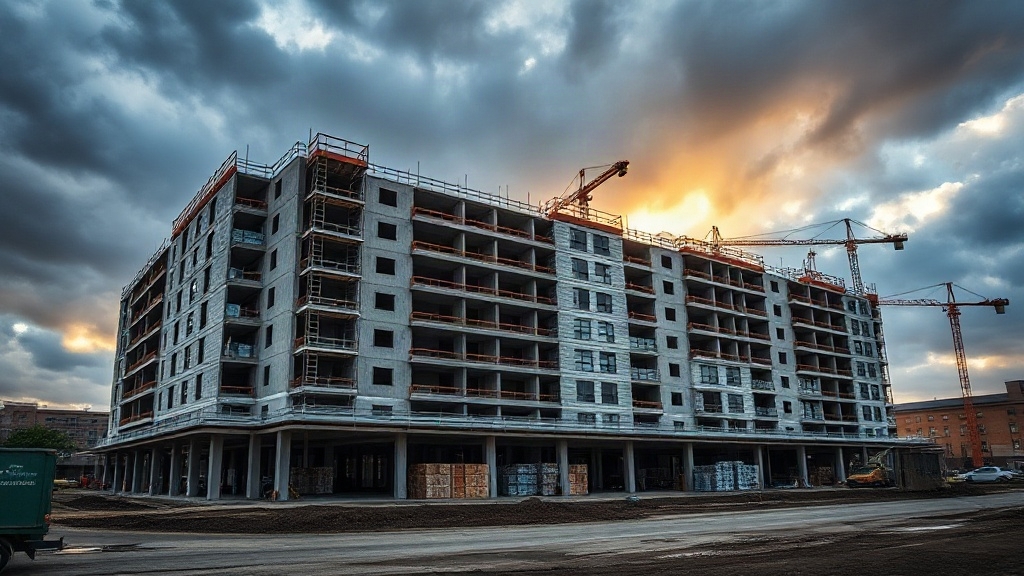
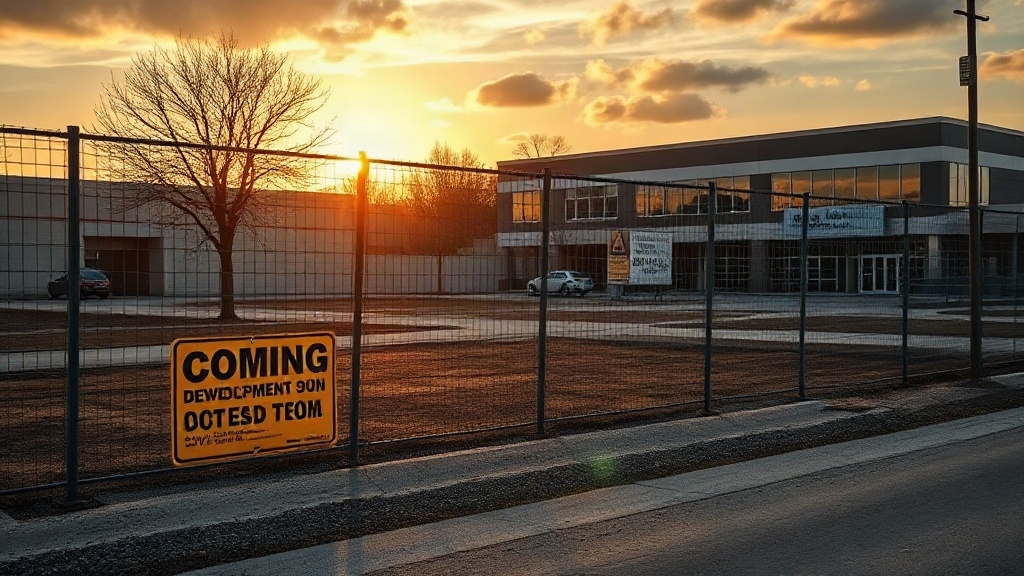
At the center of Ferguson’s redevelopment ambitions, the Ferguson Tech Hub is a proposed transformation of the former Emerson campus into a large technology-focused site designed to bring new jobs, private investment, and economic activity to the city.
The concept envisions converting a long-underused corporate property into a mixed-use, innovation-oriented campus. Broader housing research suggests that when population growth outpaces construction, housing supply constraints can intensify local price pressures around redevelopment zones.
Planned elements have included offices, research space, support functions, and related amenities such as restaurants and services.
As presented publicly, the redevelopment would likely unfold in phases and require infrastructure work and site preparation.
Its backers have framed it as part of a broader revival strategy for Ferguson and its surrounding area.
Separately, Ferguson has advanced its digital strategy by launching a Bengaluru center focused on software engineering and related technology operations.
The proposal has also drawn scrutiny because of financing needs, zoning implications, and community outreach requirements.
Its future remains uncertain after a major incentive package failed, leaving next steps unresolved.
How Jim Onder Shaped the Hub Plan
As the public face of the effort, attorney Jim Onder helped define the Ferguson Tech Hub as a nearly $2 billion remake of the former 217-acre Emerson campus at 8000 West Florissant Avenue.
Onder and partners cast Project Butterfly as a mixed-use innovation hub with offices, labs, research, programming, and advanced manufacturing.
Onder’s narrative framed the property as a long-horizon technology center.
Investor relations depended on making its scale legible to officials and residents.
Like other large redevelopment efforts, the plan raised questions about flood mitigation and whether long-term public benefits would match the scale of private incentives.
Site: 217 acres of empty industrial ground.
Vision: Offices, labs, research floors.
Industry: Advanced manufacturing bays.
Incentives: 15 years of reduced taxes.
Horizon: Equipment buildout through 2050.
He also tied the plan to a large incentive package, including waived personal property taxes and phased PILOT payments.


Why the Ferguson Tech Hub Looks Risky
Jim Onder’s sweeping vision for the former Emerson campus also exposed how much of the Ferguson Tech Hub depends on uncertain subsidies, political support, and execution across a highly complex redevelopment.
The proposal carries major financial uncertainty because its public-incentive case rests on a $1.8 billion redevelopment whose promised returns may arrive slowly or fall short.
Ferguson’s May 5, 2026 rejection of tax breaks showed weak consensus. It also increased the odds of delay, redesign, or cancellation.
Local Resistance and Operational Strain
Public meetings also revealed community backlash over health, environmental, and neighborhood impacts tied to the data center.
That opposition matters because large compute facilities can strain electricity systems and raise water-use concerns.
They can also face scrutiny if sustainability claims do not match operating realities.
Demand volatility and site-preparation complexity add further risk for investors and officials alike.
How the Ferguson Tech Hub Could Help Missouri
Despite the controversy surrounding the Ferguson proposal, Missouri’s broader tech-hub strategy could still deliver significant economic gains. It can do so by building on the state’s mineral-rich geography, mining base, and technical expertise in processing critical materials.
The Missouri S&T-led CM2AE consortium gives the state a stronger path into upstream and midstream supply chains. These include advanced energy technologies, semiconductors, and other critical goods.
By expanding hydrometallurgical processing and adding demonstration-scale and commercial-scale plants, Missouri could reduce bottlenecks between extraction and manufacturing. It could also capture more value in-state.
Consortium projections point to hundreds of millions in investment. They also estimate more than 23,000 jobs and $34.2 billion in economic output.
The benefits could spread far beyond one metro area. Workforce training, regional suppliers, transportation firms, contractors, and local service businesses could all gain.
This growth could also strengthen tax revenues. It would further support national supply-chain resilience.
Can the Ferguson Tech Hub Attract Startups?
Whether Ferguson can attract startups will depend less on branding alone and more on whether it creates the physical space, business support, and visible identity that early-stage companies typically require.
The township’s own plan says it lacks startup space and a recognizable entrepreneurial center.
That absence weakens its signal to founders, investors, and mentors scanning for active corridors.
Empty flexible suites near broadband-ready streets.
Shared worktables buzzing beside prototype benches.
Night pitch events drawing mentors and first hires.
Competitive Tests
Federal Tech Hubs status can add credibility, but designation alone rarely closes ecosystem gaps.
Startups usually compare affordable space, accelerator access, anchor partners, transportation, and founder incentives before choosing a market.
Ferguson may also need strong programming, venture pathways, and remote onboarding tools.
Without visible density and services, interest may not become enduring company formation.
Assessment
The Ferguson Tech Hub remains a high-stakes bet on Missouri’s economic repositioning.
Backers see a path to startup growth, talent retention, and redevelopment in a city long defined by disruption.
Critics see execution risk, funding pressure, and uncertain demand in a competitive innovation market.
Its outcome will likely depend on disciplined planning, credible private-sector participation, and measurable early wins.
For Missouri, the project stands as both a test of regional ambition and a warning about the cost of failure.