
Key Takeaways
- Solving a common problem that others overlook can create an entirely new business opportunity and long-term wealth.
- Taking decisive action before every answer is known often creates momentum that leads to creative solutions and meaningful growth.
- Lasting financial success comes from consistently creating value, improving assets, and focusing on businesses with enduring demand.
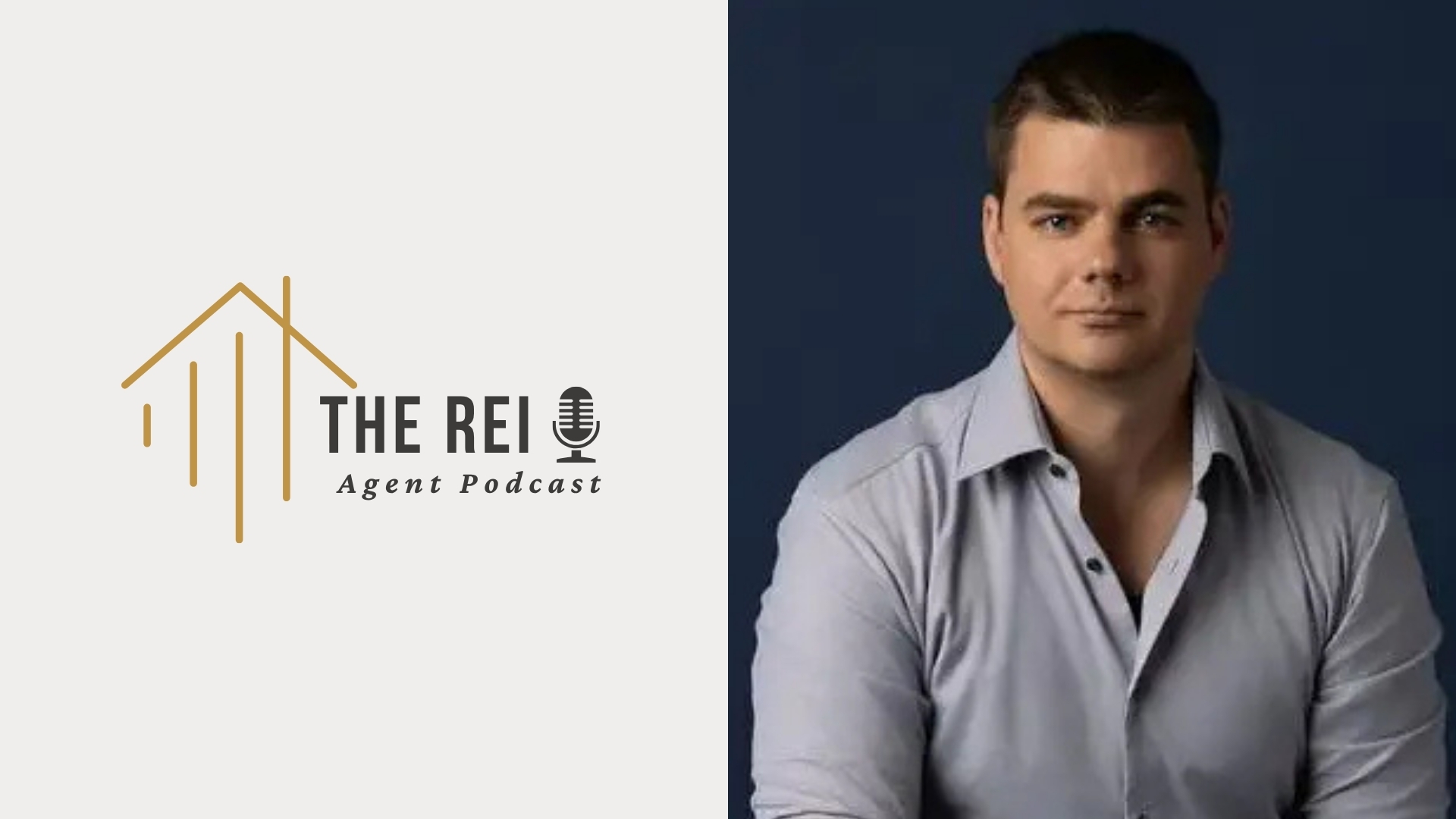
The REI Agent with Chris Long
Value-rich, The REI Agent podcast takes a holistic approach to life through real estate.
Hosted by Mattias Clymer, an agent and investor, alongside his wife Erica Clymer, a licensed therapist, the show features guests who strive to live bold and fulfilled lives through business and real estate investing.
You are personally invited to witness inspiring conversations with agents and investors who share their journeys, strategies, and wisdom.
Ready to level up and build the life you truly want?
Follow and subscribe to The REI Agent on social


One Simple Idea Can Create an Entirely New Future
When Frustration Becomes the Foundation for Opportunity
Every successful entrepreneur eventually reaches a moment where frustration can either become an excuse or become the spark that changes everything.
In this episode of The REI Agent Podcast, Chris Long shares how a simple problem that affected his own contracting business ultimately led him to create an entirely new investment niche.
His story demonstrates that some of the greatest opportunities are hidden inside problems that everyone else has simply accepted.
Rather than following traditional paths, Chris chose to build something that did not yet exist in the marketplace.
His willingness to embrace uncertainty, solve real problems, and continue moving despite setbacks offers a roadmap for entrepreneurs who want to build lasting wealth instead of chasing short-term success.
Seeing Opportunity Where Everyone Else Saw Empty Land
A Contractor’s Problem Became a New Asset Class
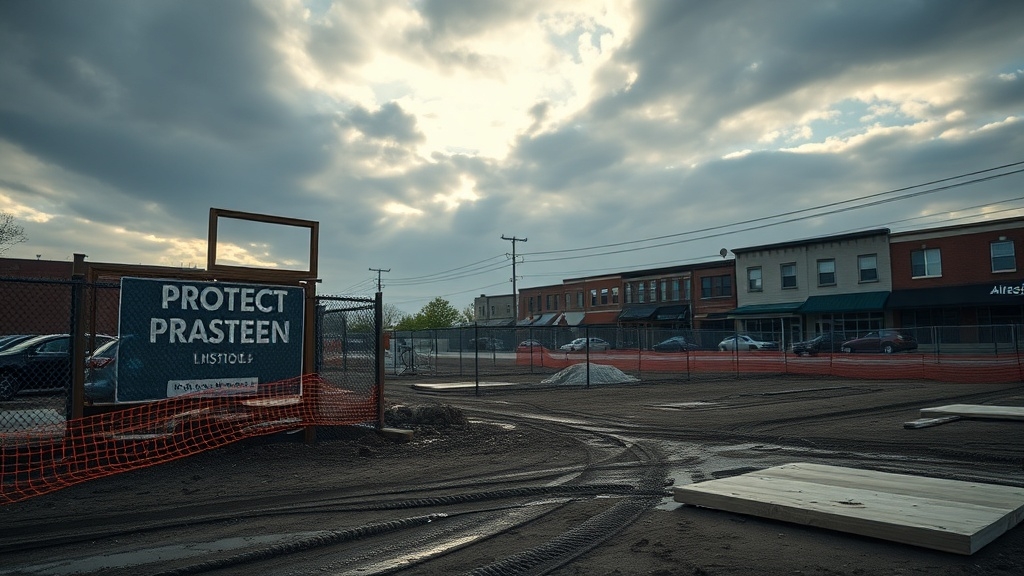
Chris began his career as a carpenter and contractor who simply needed a secure place to store trailers, equipment, and materials.
Surprisingly, he discovered that affordable, flexible contractor storage simply did not exist. Large industrial properties were available, but nothing served small and mid-sized contractors who needed secure yards on a month-to-month basis.
Instead of accepting the limitation, he created the solution himself. That solution became Longyards Storage, a business built around secure contractor storage yards that combine the convenience of self-storage with outdoor industrial space.
“It’s basically like bringing the self-storage model to dirt.”
What began as solving one personal problem evolved into a scalable business serving everyone from local contractors to massive infrastructure companies.
Failure Can Become the Greatest Investment
Starting Over with Nothing but Conviction
Before Longyards became successful, Chris experienced devastating financial setbacks. A failed commercial construction project left him nearly bankrupt, forcing him to rebuild from the ground up.
Instead of abandoning entrepreneurship, he chose to bet everything on the one idea he believed could change his future.
“I just had to kick myself in the butt and get at it.”
With limited resources, he personally cleared trees, hauled stone, installed fencing, reused gates, and presold storage yards before construction was fully complete. Every dollar mattered, but every obstacle strengthened his conviction.
Today, that original location generates more than $40,000 each month, proving that persistence often matters more than perfect circumstances.
The Strength Behind Every Entrepreneur
Building a Family Mission Instead of a Business
Chris credits much of his success to the unwavering support of his wife. Rather than encouraging safer investments, she challenged him to pursue the much bigger vision.
Their journey included relocating to the United States with a newborn daughter while facing uncertainty about immigration, financing, and business expansion.
“It wasn’t easy, but it was right.”
Instead of viewing entrepreneurship as an individual pursuit, they embraced it as a shared family mission. Their alignment transformed uncertainty into confidence and allowed them to continue building even when the future remained unclear.
Action Always Beats Waiting
Confidence Comes from Taking the First Step
One of the most powerful themes throughout the conversation centers on action. Chris believes many aspiring investors spend years waiting for perfect conditions that never arrive.
He explains that successful entrepreneurs rarely possess every answer before beginning. Instead, they develop confidence through solving problems as they appear.
“I don’t know C and D, but I’m very confident in A and B, and I’ll figure out C and D.”
This mindset enabled him to place properties under contract before fully knowing how they would be financed. Rather than relying on certainty, he relied on preparation, value creation, and the confidence that solutions could be found through action.
Value Creates Wealth
The Deal Is Only the Beginning
Throughout the discussion, Chris repeatedly emphasizes that wealth is created by solving problems rather than simply buying assets.
Whether investing in contractor storage yards, residential homes, or commercial properties, the greatest returns come from improving something that already exists.
“Most wealth is created through value.”
Instead of searching endlessly for perfect opportunities, investors benefit by learning how to create opportunities themselves through strategic improvements, operational efficiencies, or better business execution.
Learning Faster Creates Better Results
Twenty Focused Hours Can Change Everything
Another practical lesson from Chris centers on learning new skills. He believes many people dramatically overestimate the time required to become competent in a new discipline.
Rather than waiting years to become an expert, focused learning sessions can quickly produce meaningful results that compound over time.
“Sometimes you just need 20 hours to be 80 percent efficient.”
Whether mastering marketing, technology, negotiation, or investing, consistent focused practice allows entrepreneurs to build momentum much faster than they often expect.
Build Assets That Will Always Matter
Looking Beyond Today’s Trends
The conversation also explores the rapidly changing world created by artificial intelligence. Chris encourages entrepreneurs to think carefully about businesses that will continue creating value regardless of technological disruption.
Physical infrastructure, construction, and industrial services remain essential because society will always require roads, buildings, utilities, and the equipment that supports them.
Rather than chasing temporary trends, he encourages investors to identify businesses that solve problems likely to exist for decades.
The Courage to Move Before You Feel Ready
Progress Always Begins with a Decision
Chris Long’s journey reminds listeners that extraordinary businesses often begin with ordinary frustrations. By refusing to accept limitations, embracing uncertainty, and consistently creating value, he transformed a personal inconvenience into an entirely new investment category.
His story reinforces that success rarely belongs to those who wait for perfect timing. Instead, it belongs to those who continue moving, continue learning, and continue solving meaningful problems.
“When your why is greater than your how, you figure out how.”
For entrepreneurs, investors, and anyone pursuing a bigger future, Chris demonstrates that the greatest opportunities often begin where everyone else stops looking. By focusing on serving others, creating value, and taking consistent action, seemingly impossible goals become achievable one decision at a time.
Stay tuned for more inspiring stories on The REI Agent podcast, your go-to source for insights, inspiration, and strategies from top agents and investors who are living their best lives through real estate.
For more content and episodes, visit reiagent.com.
Articles Related to The REI Agent
- 10 Shocking Truths From the 2025 Global Housing Storm (And How Agents and Investors Can Thrive Through It)
- Shocking Balance Before Wealth (How Erica Clymer’s Holistic Practices Help Agents and Investors Thrive in Global Housing)
- Global Housing Storm (Holistic Solutions to Million-Dollar Dreams, Desperate Sellers, Rising Rents, and Shifting Wealth)
- Top 20 Terrifying Reasons Agents Will Never Be Investors (And How to Fix It)
- 10 Ways to Kill Real Estate Agent Burnout in 2025 (The Holistic Fix)
- Mattias Clymer is Silently Leading a $70M Movement That’s Changing Agent Lives
- Therapy You Didn’t Know You Needed (Holistic Wisdom for Real Estate Professionals)
- From For Sale Signs to Life Design (How The REI Agent Transforms Real Estate Into Holistic Wealth)
- Achieving Holistic Wealth and Success Through Real Estate (Insights from The REI Agent)
- Partnering with Investors (How Real Estate Agents Can Exponentially Maximize Profits)


Mentioned References
Transcript
[Mattias]
Welcome back to the REI Agent. My guest today is Chris Long, founder and CEO of Longyards Storage. And the man who essentially invented a new asset class, Small Bay Contractor Storage Yards.
Chris came to real estate, not as a finance guy or a seasoned investor, but as a carpenter who was personally frustrated trying to find a place to store his equipment. That frustration turned into a business concept and then into a portfolio that went from 200,000 to 2.4 million. Each Longyards location now generates over 40,000 a month and the model is now franchising internationally.
Chris, welcome to the REI Agent Podcast. Excited to be here. Thank you.
I just have to kind of conceptually make sure I understand kind of this model. Now I have seen the like self-storage that is in like storage shipping containers more or less that can be stacked. It can be moved to different locations, kind of like pods, but they’re just shipping containers.
Is it similar to that?
[Chris Long]
So my new book, which is coming out and I put right at the front of it, is called Self-Storage Yards because I think that is the best way to summarize it after all these attempts of podcasts and what do I do? And it’s basically like bringing the self-storage model to dirt and it’s a fenced in yard that you rent just like self-storage, except it’s a yard. And surprisingly enough, that does not exist in the marketplace.
So I think I nailed it by saying self-storage yards, besides a bunch of other fun terminology. For any listeners, think of a field with like 67 yards and you rent them out month to month and boom, that’s the Longyards model.
[Mattias]
Okay, so you’re talking about needing to park like a forklift or like stuff, that kind of equipment. Like what is, yeah, tell us more about what is it.
[Chris Long]
Yeah, it’s crazy because like, I started with this problem myself. I was a carpenter, contractor, four trailers and I’m a simple guy with like a simple problem. I’m like, I need a yard, doesn’t exist.
The only thing around is one, three or five acres for one, three, five years. I’m like, I just need something month to month for my growing business, didn’t exist. Had to buy a property and then build them out.
And as I’ve been expanding, because I started the first one in Canada and then I was like, this is really cool. Came to the US, doing it again and again and again. Now I got people reaching out to me.
They’re doing like multi-million dollar infrastructure projects. And this problem goes from the small guy like me all the way up to the big guy who is doing like up to a billion dollars in construction projects. And it’s the trailers, it’s the forklifts like you said, but it’s also like infrastructure development projects that need a place to stay that is for the cycle and the location of their project.
So if you just think about that customer, it’s still a contractor, it’s just a wide spectrum of everyone from that small guy like I was to now dealing firsthand with these larger projects. So in between all of that, it is a massive opportunity.
[Mattias]
Yeah, okay, that’s really fascinating. I wanna dive into it more. I do typically start with your kind of founder story which you just kind of got into.
So you were doing, you’re a contractor for a period of time. Kind of, yeah, walk us through that in a little bit more detail.
[Chris Long]
Right, so I grew up kind of in two worlds. I grew up on a farm and like in a neighborhood. So like my weekends were like, you know, driving the tractors at like 14 and just kind of like being a little troublemaker.
And then I was selling chocobars, knocking on doors and just kind of grinding away. And I don’t know why it hit me at a young age, but I just loved real estate and I knew I wanted to get into it. And I didn’t have any like one in the family or any path to kind of like show me.
I’m just like, you know, everyone in my family was in construction. So I was like, okay, if I get into construction because it’s who I know, what I know, then I’ll just eventually build and buy my own houses. So, you know, starting off, I bought my first house, finally saved up early twenties, turned into duplex, bought the second house, turned into duplex.
I’m like, okay, I like this. I got rent coming in every month. You know, this is good.
Quickly realized that, you know, for the amount of money and time you put in for the little cash flow you get out, not to mention the headaches of the tenants, it really wasn’t worth it. So then it all kind of stumbled at once of me going through the pain of these tenants, trying to grow this portfolio, have my construction company with 14 employees, and then kind of always loving real estate, but I always loved self-storage. And then that’s when it all kind of merged.
And I took my lessons and I kind of brought them to the self-storage model. And that’s basically how the first, you know, opportunity came to life. It was kind of a bunch of pain that I had as a founder, but the opportunity just stroked at the right time.
And I had a great coach too, that brought it to my awareness, Bruce Firestone. And yeah, it was just like, this is it. And then I went all in and it’s a crazy story of how the first location came from an idea to actually making it happen.
And I’m happy to get into it. But a little bit about the founder story. I mean, you know, I could share that.
So it was kind of crazy. I’ll give you the quick run of it. But like, I just came from a consumer proposal.
In Canada, like it’s basically like bankruptcy. I did a large commercial project. I didn’t get paid.
Like I lost everything. I went from 14 employees back to myself. And I was like, I don’t want to do what I was doing before.
Because I still love like construction. I have the skill sets. I have the knowledge of real estate.
And it was either like multifamily development, like expanding or self-storage yards. And I’m like, who knows self-storage yards? Like, why would I put everything into this?
This is crazy. And I had to do three things on the property because I did own it at that time still. I had to develop it, I had to pay my brother off and I had to get a mortgage.
And the guy who owned it, it was a seller take back. So I had a clock. I had like a year and a half on the clock to make this dream come true.
And I had to do all three of these things. And I had the money for one, but I did it. I don’t know how I did it.
I pulled it off. I went all in, made an agreement with my brother. I literally cut down trees with chainsaws and brought my dump trailer with stone to get stone there.
I put the used gates on. I couldn’t even put the gates on all of them because I had to pre-sell the yards by the year. Basically it was like super scrappy in the last minute.
Like I swear the last week, the owner would have got the property but my investor came and took them out. That’s like the first long yard storage. So it’s kind of like, it’s a bit of a story like risk-taking and like jumping in for like a belief that you have, but it’s paid.
Now that thing brings in over $40,000 a month. We have multiple locations and I had to prove the concept but I was sitting on the idea for a long time because truthfully I was scared but I just had to kick myself in the butt and get at it. Wow.
[Mattias]
Yeah, that’s fascinating. I’m trying to envision what one of these places look like. Are each of them fenced in each kind of parking area whatever you want to call it, like plot of land.
I would imagine you have multiple tenants, right? So like, is it separated by a chain like fence or what does that look like?
[Chris Long]
That’s it. So quite literally my first location is a long yard. It’s 200 feet by 2000 feet.
It has a road in the middle and yards on the sides. So picture a 10 acre site, a long rectangle, road in the middle and you have 60, 70 yards on the left and the right. That’s it.
You got cameras, you got your gate, like self storage, automated. Yeah, that’s right. Anyone visualizing it.
And we have containers as well. It’s more of like an industrial and that’s kind of the craziness. Like you cannot get that on the marketplace.
It’s extremely rare. And you might find something on marketplace where it’s like three quarters of an acre of someone like taking a picture of their raw dirt and it’s like, here you go. But like an automated business with like the security and like the full integration of all that tech that is really like bundled together.
[Mattias]
That’s what’s really unique. Yeah, that’s really fascinating. And it’s beautiful too.
Cause you really, you have a lot of flexibility. So, I mean, depending on what kind of land you’re working with. I know that a lot of places that do self storage, they often have kind of, they also have RV parking.
They also have truck parking and you get a lot of the benefits of having that security, having that extra space being utilized in a different way. And then, like you said, shipping containers could be another way to pivot. I mean, there’s a lot of different opportunities there and the beauty of it is, I mean, I guess you probably may have to do some site work to kind of get what the land flat, have the obviously the road going through the different cameras, security, the fences, gates, but you’re not building out a whole huge self storage facility, air conditioned or not.
[Chris Long]
Yeah. Yeah. Like I say, simple cashflow creates freedom.
The beautiful thing about this business and this model is that’s what it is, right? It’s like everyone listening, like, wow, I get that. It’s simple.
And when you’re thinking about an investment, it’s like all the layers in between what you know and what you don’t know is where you lose a lot of the time, right? So like with this model, it’s just like you described. It’s, you make sure the place can move equipment around.
And besides that, you add the security layers and it’s business one-on-one supply and demand. This does not exist in the marketplace. So it’s a new take on, like you said, creating an industry.
[Mattias]
Yeah, that’s fascinating. So, okay, so you, since having created that first one, you’ve gotten different locations. Walk us through that a little bit.
And then you also went through the process of getting it to be franchised, right? That people can buy the franchise.
[Chris Long]
Yeah, so the franchising model, it’s like I started franchising, but I kind of learned that it’s a nice model, but it’s not the best model for what I’m doing. And there’s different ways to look at that, but essentially we partner with landowners or we license the model to a landowner or we just buy the land, right? But, and we did build up the entire franchise.
We’re on the SBA directory. We can buy land for 10% down, which is like really unique. It’s funny because I can’t because I’m a Canadian, but all my partners can using the green card model, but, or, you know, privilege, let’s call it.
But yeah, so basically, you know, built it out, went from Canada to once I knew the model worked, I was like, this is cool. Went all in, burned the ships, literally. I didn’t even know how I was gonna make it work in the US.
My daughter was six weeks old. We just drove here and we didn’t even have a place to rent. I didn’t know how I was gonna make it work, but I just knew I’d make it work.
And I mean, it’s been going on five years now. First location is in Central Florida. We’ve got Jacksville, we have Porpoise Christie and we have more.
We have 11 other deals in the pipeline and we’re just cranking.
[Mattias]
That’s awesome. I know that if sometimes my wife joins this podcast, if you listen, you know that, Chris, I didn’t mention that before. We got an heir and she’s a therapist and an amazing mom.
And we have, you know, three beautiful children. It’s mid summer and she’s, you know, just running them all over the place. And so it’s really hard for her to get on podcasts, but I bring it up because I feel like she would have had to ask about the six week old child element.
Now, when you, you walked me through how difficult it was to get that first deal together. So at some point along that way too, your wife is pregnant. And so like, I know the stressors of wanting to nest and be comfortable and secure.
And, you know, that kind of conflicts with the, I need to provide and build something cool. How that went over and how you’re able to manage that.
[Chris Long]
Well, I will say, first of all, I’m extremely lucky to have my wife who she is because she’s an entrepreneur and she supports me in my vision. And it’s kind of, it’s hers as well. Like she actually pushed me for Longyards because I was like, I want to do multifamily.
And she’s like, Chris, Longyards is a bigger opportunity. So I was actually kind of choosing like the safe for sure road. And she saw the bigger opportunity in this.
So she’s actually arguably more visionary than I am. So, you know, that’s foundational. Like we just have a very strong alignment on like the goals for the family and personally.
And it’s funny, like she is literally nesting right now. We were having our fourth daughter and I kid you not, the daughter, like I can get a text right now that it’s happening. So just a heads up, you know, if you see me run then you’ll know what happened, but that’s it.
Like, and so no, with the six week old, and even the first daughter, it was like the business, like we have to provide this for the family. And she gets that, she knows that. And then the six week old, like she’s really strong and she felt very compelled to jump on this mission.
And she was a driver. So like she was pushing a lot and it’s amazing like how much willpower you could see someone have when the goal is very aligned. So it wasn’t even like, it was like a family mission.
It’s weird to describe. It wasn’t like, this is hard. It was like, this just feels right.
And yes, like we drove, we had to get a private jet and fly across. We took our three dogs. You know, it was not an easy thing to drive and to figure it all out, but it was the best decision we ever made.
And it just made the family stronger. So, you know, it wasn’t easy, but it was right. And we made it work.
[Mattias]
That’s cool. I definitely feel like there, I can track sales production. Well, I think let’s go back further from when I met the person I was gonna marry to like actually getting engaged and getting married.
Like my trajectory wasn’t going as great before, but she had a way of, you know, getting me serious and helping me kind of, you know, I don’t know, achieve my potential maybe. And it’s not even necessarily like her pushing me. It’s just kind of like, almost like a biological thing.
Maybe like it’s now, you know, I want to go out and build the career. I’ve got the girl or whatever. I don’t know.
But like, I would say also after kids have been born, I feel like there has been, maybe it could be coincidental, but like, I feel like there’s been like kind of a spike in my production or, you know, I don’t know if I’ve had extra motivation from that, but I could see it being like a biological thing, right?
[Chris Long]
Yeah. Like, you know, I think as a father and like a provider, especially with daughters, like I’ve only had daughters. So unfortunately I can’t tell the other way, but like there’s such a feeling of like provider and protection when you hold that, the newest daughter for the first time.
And I’m not sure if it like compounds on top of each other. You’re like, you know, because you think you went through that experience, but when you have the next child, it’s almost like a new fire that lights up underneath you. It’s like, no, I need to go harder.
Like it’s more of like a purpose driven, not like a hunger, just like a divine kind of like purpose that you just know you’re meant for more, greater to now protect for this extra human. And yeah, it’s a blessing on many levels, you know, for sure.
[Mattias]
That’s awesome. Okay. So then, yeah.
So you went into the U.S., like continue with that story, how you went after the next ones.
[Chris Long]
Yeah. So it was, I mean, the U.S. had its own journey, right? So like I am fortunate enough to be a Canadian to come to the U.S. Like a lot of people had it a lot harder, you know, but granted with the immigration, we didn’t know how it would work. And we had a lot of like French Canadians kind of move in at that time. And now like one out of a dozen made it or two, there’s two out of 12 that actually made it just, and it’s difficult because the immigration process, the requirements, and for us, it was hard too, because basically what I’m saying is, hey, I just burned everything I ever had. I’m coming to the U.S. I am now going to create jobs with a real estate development company, not having enough capital or knowing how and figuring it out. That was my story to the government. And we made it work because I ended up using my construction skills as a construction company underneath the Longyards umbrella. And I use that as the narrative for the job creation to expand my business because of the kind of like stacking skill sets.
So that was really hard. It’s like, we didn’t know how we were going to do it again, but like when your, your why is greater than your how, like I like, you figure out how. So then coming to the States, it was like, now we, how do we grow this model?
All I had was the skill sets and my cell phone contacts from Canada. And as well, I mean, you know, first world problems. I was expecting all these piles of money.
Like life does everything. It gives you the, you know, the last of what you thought would happen. So I didn’t have my nest eggs.
I didn’t have my safety blanket, the refinance I was looking at, the cash positions. It was all like, did not happen. So I came here like basically as scrappy as almost possible to do the business I had to do.
And that was a journey in itself. So it kind of like, it didn’t slow down the process, but it’s great for investors or anyone listening because like, it’s just, it makes you more creative and look at deals a little differently, right? And that’s when I started learning different ways to do deals, like creative financing, syndications, doing funds, different structures.
I never knew about any of that. The first deal, I just did bridge debt and I called it, I didn’t even know how to do that at the beginning. I just, when the problem arose, I found a solution.
And that’s when I discovered the bridge debt financing. Now here, when I came to the US, I’m like, I need to buy more real estate. I didn’t know how.
I didn’t even know how until I got my first property under contract. I just put it under contract and then I figured, okay, I’m going to figure out how, because I literally put a gun to my head. I’m like, you have this many days, your money’s tied up in the deal and if you fail, you’re going to fail.
And to me, that wasn’t an option. So I sometimes put myself in those positions because sometimes people are like scared to grow, but like, what’s the worst that’s going to happen? You got due diligence, you know, like we’re not in, we’re in a pretty safe country, you know?
It’s like, sometimes we forget like what our ancestors went through. It’s like, we are safe. It’s investing.
It’s like, we will learn and we will figure it out. So pretty much the whole journey of like long hours to beginning to where it is now has been that mindset of just putting yourself in the position. And even if you don’t have the answers, people around you will help you find them.
And the market will tell you, but you need to do both. You need to get from the people in front of the market to get the answers, to get the lessons, to then help you move forward.
[Mattias]
I really have to tease out the putting it under contract and not knowing how you’re going to finance it, buy it, et cetera. Well, I think it’s brilliant. I think it’s something that’s a stumbling stone for so many and myself included.
But I would imagine that in doing so you had, I mean, you had the deal, like it was a good deal. It was something that had strong numbers behind it. You had confidence in that it was going to work out.
It wasn’t like, you know, like this deal, I’m going to do it. Yeah. Is that accurate?
Oh, of course, yeah.
[Chris Long]
Like money people deal, right? So like good operator sees, but creates a good deal through value creation. So I saw that and I was like, yup, I see the numbers all over this.
[Mattias]
Yeah. So, I mean, I think to anybody listening, that was just the quick like disclaimer, like, you know, like this, it wasn’t just a crazy, you know, random thing he did. It was well thought through.
But like, if you find the deal, like it doesn’t, like so many people would think, oh, I don’t have enough money yet to invest in anything. I don’t have enough. I don’t know where I’ll get the money.
I don’t know, you know, I can’t get financing, et cetera. Like for that size deal, there’s a lot of limiting beliefs. And what you just outlined is like, you know, if you can understand what a good deal is, if you can have a good plan, the money’s not gonna be the issue.
Like you can figure that out. Like it, I mean, it’s not a guarantee, but there are people that want to invest in really good opportunities. And if you find a really good opportunity, you’re gonna have a lot of opportunities to have investors and to make that deal work out.
So that’s really encouraging. I think people should really, you know, to whatever extent, take that and give themselves a little bit courage to act because I think a lot of people wait for a number of things. They’re scared.
They don’t have enough information. They wanna, they’re chasing different ideas. So they never get enough information on any of them.
They don’t have enough money. The time is not right. The market’s a little bit iffy.
There’s all sorts of different reasons why action isn’t taken, but that’s a really good example of why money doesn’t have to be one of the reasons.
[Chris Long]
Right. And you know, for anyone listening, it’s kind of like there’s people around you that you see crushing it or doing big things. And most of it’s a belief system.
Like they just, you know, they don’t always have more answers than you. They just have more conviction and confidence that they’ll find the answers. So it goes to that right from the beginning.
And that’s just me. It’s like, I don’t know step CD, but I’m very confident A and B and I’ll figure out C and D. So, and in real estate, it’s all about value creation.
It’s not about like the dollar. It’s about how much value can you create and who wants to participate in that value creation. It doesn’t matter if the real estate’s 10 million or $500,000 and you’re flipping a house or doing a commercial multifamily or a storage yard, the same principle applies.
So, you know, and the beautiful thing about real estate, people forget too, like buying a house is you can lock it up and then you can put the business plan together, validate all your assumptions. And then you start bringing people together. And if it doesn’t work, you can pull out.
It’s like, so you’re almost in it for no risk, right? It’s just how you architect the deal. But obviously you want like the pipeline ready.
You want to be a good operator. You want to know your market. You want these foundational skill sets or partner with an operator, but the deals are out there, man.
And especially with this niche, it’s like blue ocean right now.
[Mattias]
Yeah. Yeah. It’s just one of the limiting things that people put on themselves.
And I think you’re right. I think it really, I think that visionary thing is the ability to see not only like a possibility out there, right? But I think also to live in that space long enough to really believe that it’s possible, right?
And that allows you to see opportunities where if you only see the hurdles in the way, if you’re waiting for every, like Zig Ziglar says, if you’re waiting for every light to turn green before you get started on your route, you’ll never get started. So it’s, yeah, it’s a skill that not everybody has. And if you’re not able to do that, like you said, partnering with somebody can be great because I think often the visionaries also need counterparts, counterbalances to make successful operations happen.
[Chris Long]
Yeah, a great example of that is the EOS, right? The integrator and the visionary. So we run with the EOS, but yeah, you need that vision, you need that belief system.
And a lot of people feel it too, right? They’re like, they know it. It’s like they’re driving, they’re listening to this podcast, whatever.
And they’re like, and they’re back to like, I know I need to take action. It’s they need to be telling themselves. And then, you know, how long has it been, how long has it been that story?
How long has that narrative been in your head? You know, it’s been a year, two years, three years. If you would have done the deal a long time ago, even if you lose, the lessons that you take and get is a wealth of skill and knowledge.
And then you take it to the next deal and you’re just not going to do it and you’re going to gain back. So like you can’t lose in moving. It’s just obviously you try to de-risk yourself and be very aware of all these triggers in the roadmap and all these skillsets.
But man, you just got to take action.
[Mattias]
Yeah, I mean, how many people are ready to put tens of thousands to, I mean, tens of thousands of dollars into their college education, jump right in after high school because that’s what they’re supposed to do. That’s the safe route. That’s the great option that you’re getting preached to about how somebody with a college education is going to earn X amount more in their lifetime than somebody without, have no idea what they’re actually going to do, have no idea what they’re going to study when they start studying something, have no idea what actually that job will actually produce.
So they have no idea about their return on their investment, right? But totally willing to jump in and put tens of thousands of dollars, like 50,000, 60, whatever. I mean, get a master’s degree.
It can be over a hundred. And then it seems too risky to put a 20% down payment on a rental or whatever. You know what I mean?
Like you could lose everything and it’s not the safe route. But even if it is just an education as part of what I was going to get at, it’s a very, very good one. And it’s almost never a zero sum game.
You’re not like buying a $500,000 house and losing $500,000. It’s rarely that if things don’t go quite as planned.
[Chris Long]
Right, on the other side of success, it’s someone who failed many times and you just don’t see it, right? So it’s like the tip of the iceberg. You see the top, but you don’t see all the pain.
And here’s another thing, like everybody wants to view, nobody wants to climb. So these entrepreneurs, like we go through, we go through the trenches, right? And that’s another belief about it.
But so it’s not going to be like, it’s super easy. You need to take a risk. Yes, but it gives you a life set skill that you pass on your family, that you build down with yourself, that you build conviction and confidence within yourself.
And then there’s no greater feeling of knowing that you can like conquer things. You can take down a deal or make something happen and bring your vision to a reality or make life changing money for your family. And that is so much more valuable than an education.
You know, depending on the type of education, but what’s scary now, especially is like AI and how it’s changing so much. People don’t even know, you know, what is a secure job in the future. So now I think more than ever, what’s more important is assets.
You need to buy assets and get wealth, creating money for you that is not going to change. That’s another reason why I love self-storage yards because who rents from us, it’s these contractors. Like most people know that AI is going to impact these guys the last, you know, because it’s not like anything behind a computer.
This is physical infrastructure. So when people are thinking about their future or what to invest in, I always try to remind people, it’s like, you know, what’s not going to change in the future. And Jeff Bezos has a great quote, like think about any business that won’t change in 10 years.
And then build your education around that rather than a moving target that you don’t know is going to be there. And some people forget, they’re like, I want this experience. I want to feel like this.
I have this impact, but your North star is a moving North star. Like try to have like some foundational that is not going to go anywhere. So, you know, there’s a lot of layers to that, but I think having a really clear is really important.
[Mattias]
Yeah, I think definitely having a place to live as well. I mean, just real estate in general, like it’s not something that’s easily replaced and it’s something that people need always, down markets, up markets, et cetera. It can of course look different, but yeah, that’s a, it’s really an interesting thing.
And I think that there’s different layers too, as far as how much risk you need to, or how much you have to really apply yourself in this kind of space. Like I think it’d be foolish to assume that everybody’s cut out to be a visionary type person that’s going to be able to do, pull off a new kind of construction company or, you know, investment company. But there are also opportunities.
Like if you’re killing it in a different way, like it’s good to invest. Like if you’re a really good real estate agent, it’s good to invest in different asset classes to do syndications. Do you all do syndications?
Do you raise money at all?
[Chris Long]
So I’ve raised over millions, plus we raised through a safe. So long years is over eight figures that are pre-seed raise. So like I’ve raised money on different levels, whether or not it’s deal or corporate, which is whole different learning experiences.
I’ve been involved in syndications. We are, do we do SPVs on certain deals? So yeah, SPV is just like basically a small syndication.
[Mattias]
Yeah. So there’s definitely like, you know, we’re encouraging people to get, you know, out of their comfort zone and take on new things and learn new things, but there’s different layers. And, you know, it’s always good to make sure that you really understand what you’re investing in and understand the operators and all those kinds of things.
There’s a lot, there’s a learning curve to that as well, but you don’t have to, you know, actively flip a property to get into real estate. You don’t have to be a landlord necessarily. There are definitely benefits of being a real estate professional for taxes and investing in real estate.
So definitely something to talk to with your accountant and look into further. And I just wanted to say, like, if you’re driving down the road listening to this now, we offer all these episodes, go into our reiagent.com. You can subscribe to our mailing list and you’ll get the summary of each episode once a week.
So there’s two a week. And also there’s a blog then that’s posted on the website that you can read this later on. So don’t feel like you have to jot all these amazing things down that Chris is saying while swerving in between traffic going to the next one.
But yeah, check that out. Speaking of Chris, what golden nuggets do you have for us today?
[Chris Long]
Right. So I would definitely say time kills deals. Like if a gold nugget is, it’s the unknown that kills you the most when you’re looking at investing or getting into a new space and that’s what kind of kills the confidence in the action.
So if I were to put like a gold nugget, it’s like if you were super confident with it being like super simplified, like let’s say it’s your favorite meal that you’re cooking for a guest coming over. Well, you’re confident with that meal that you’re going to deliver, whether it’s a beautiful spaghetti and you got the pasta and the meatballs and you’re all prepped. But it’s when you are trying to create a three course, five course meal that you’ve never done that the results at the end of the, you know, are going to be really difficult.
So I would say when you’re investing in a deal, like try to like create value, like pick something that’s super simple and where only so many things can go wrong. And sometimes it’s easy to like hear that out loud, but it’s hard in practice because like people get shiny object syndrome. Well, let me jump into this deal.
Let me renovate this 32 unit multifamily. And then you get into the plumbing or the roof and then you got asbestos in the walls and plaster and lath and then the floors are a different height and you’re like, oh, like everything I assume is wrong. It’s that gap between what you thought you knew, what you assumed and the result.
And that’s where all the wealth gets squeezed and the cash out of the deal. So I would say that’s one.
[Mattias]
No, that’s great. I think that it’s very true. And we definitely saw the craze of apartments go wild through the pandemic and there’s a lot of blood on the streets from that, but it could be some opportunities again in that space, but yeah, continue.
[Chris Long]
Yeah, another good one that I like is, and Alex Moseley does give up this one. And I have to remind myself, it’s like sometimes you just need 20 hours to be 80% efficient with like most things. Like if it’s example, Google ads, I was taking forever to run and learn Google ads.
I just crunched 20 hours and now I’m like 75 or 80% confident. It just took me two years to sit down and take those 20 hours to get really good at Google ads. And it’s like that for like a lot of things.
If you just focus and put your mind to it with the right mentorship program, something you’ve been like waiting or pushing off, even if it’s YouTube creation or video editing, whatever, you can get pretty good at 70 hours, 20 hours. And that little mindset shift is like, okay, all I need to do then is give myself 20 focused hours. And now you can get over that hurdle.
And the really cool part about that, like most skills is it starts compounding. You get good at Google ads, Facebook, you start understanding better hooks, better, you get the data more clearly. It just compounds across so many different platforms.
And I think that’s really valuable and it’s a good mindset to help people move forward and not kind of like think there’s a big mountain. It’s just, you need to be really focused on that first step. And that first step to me is 20 hours.
[Mattias]
Okay. I love that because I often hear and think about the like the 10,000 hours, the 10,000 reps or whatever, like the Arnold Schwarzenegger. And that’s like a bit more about mastery, right?
So it’s like, you know, a different thing than what you’re saying with, but that definitely makes sense. Like if you’re not gonna be like, you know, a professional Google ads provider, like you don’t need to do 10,000 hours with it, but it breaks it down to have a good general understanding and really make significant improvements. 20 hours is a lot easier than 10,000.
Yeah. I love it. And you have another one for us?
[Chris Long]
Yeah, I think the last one, and I’m not sure if I kind of already went there, but most value, most wealth is created through value. Right? So like if you’re looking at doing deals or investing, it’s really rare that you just find something, especially on market and just buy it and make a bunch of money.
Typically you have to know how a deal is made and how value is created. And in a lot of cases, it’s like finding off-market, off-market operators are like off-market deals. You need to find a deal or find that off-market operator, understand how to work with them.
And that’s where you really create that value. So, and most people and operators get this, but for people getting into it, they’re just like waiting for that biz buy sell dream business to fall in their lap. It ain’t gonna happen.
It’s like, you need to create that value through, you know, finding or partnering or understanding the value creation, whether it’s increasing NOI on commercial real estate or increasing the EBITDA on a business. It’s that the value you need to create, and that’s the by-product of the value they create.
[Mattias]
Yeah, I love that. It’s actually a good lesson too for just simple residential real estate sales. You could have a simple problem that could be fixed and that’s gonna be something that comes up and showing.
It’s like, they’re gonna be like, oh, but there’s this, or there’s that. You keep hearing that over and over again. Well, if you flip it and be like, this is a really good opportunity to solve this problem and create value, get great equity in the house.
I had a client that the biggest thing they did was they had a nice single family house. I’m not sure if the garage was attached later or they just never put a door from the inside of the house to the garage. So it was also down lower.
So there was a couple of challenges with it, but just by, and they had to cut through brick. They had to put a little staircase in, but just by doing that, that drastically changed the usability of that space and really made it way more appealing. And they did a lot more work to the house to resell it later on years in the line.
But just that simple little problem that a lot of people were like, oh, I don’t really like that, became an opportunity to really greatly increase the value of the property. So yeah, it’s very true. Like solving problems, creating value is huge.
[Chris Long]
Yeah, my first house, 2012, I bought it and I wanted to turn it into a duplex, but the stairs were in the middle of the house. But thankfully I actually did the drawings myself. I drafted them, submitted it, got the permits, removed the stairs out the middle of the house and did a set of concrete stairs out the side.
And I formed them myself, poured them myself. But having that separate entrance, it was like, that’s where you create that value, right? Now you have like a nice duplex where it’s just private for both tenants.
[Mattias]
Yeah, it’s cool. Yeah, you gotta create that value, man, right from day one. It’s again, maybe partly that visionary skill you have, but if you can be an agent that can help see that potential from seeing tons of houses, like you can help people get through some of the objections they might have.
But okay, what about a favorite book, a fundamental book you think everybody should read or just one you’re currently enjoying? Yeah, I think a great book for, I think this audience especially, would be Money People Deal.
[Chris Long]
And I say that for a few reasons. For one, I really like the entrepreneur who wrote it, Stephan Arnault. Unfortunately, he left us a little too early.
He’s a great Canadian entrepreneur. But it’s very fundamental to the basics of real estate, whether it’s a house or a massive project. And it breaks it down into three pillars.
And you basically, you need two of the pillars and the third one will come, right? So if you’re an investor, you want to find a good deal. And if you’re an operator, you find a good deal and the money will come, just like I did.
So it’s the pillars of understanding those three and how they work together. And you basically want to play the game of getting good at all three of them. Getting really good at getting deals, building a great company, and getting a lot of money.
And at the beginning, if you only have one skill, then you got to create value and partner or find the second. So any investors, whether you’re flipping houses, whatever, Money People Deal, you read that book. It’s very foundational.
And I think it has a lot of just practical stories and it really, it’s just a good book for real estate.
[Mattias]
Awesome, that’s a new one for me. I’ll have to check that out. My reading list is never ending from this podcast.
That’s for sure. Chris, if people want to find out more about Longyards, if they want to follow you on social media, where can they find you?
[Chris Long]
Yeah, so it’s funny. I just finally bought this domain. It’s a go long or go home.
So we go to golongorgohome.com. It’s my, now I’m just building that out. So it actually should be live like this week, but longyards.com is like the for sure way if you want to go there, fill out the form, learn more about us. Go Long Go Home should be live soon. And then at that hour, you can see all of our YouTube, Instagram, follow me on different platforms, join our newsletter, and just kind of, you know, we have an education platform there, teach people how to launch a self-storage yard, learn and find a deal. So yeah, go long go home is the spot to be.
[Mattias]
I love it. That’s a great domain name. Yeah.
Chris, well, thank you so much for being on the podcast. It’s been a lot of fun. Thanks for bringing this new interesting asset class to our listeners.
If you all enjoyed this episode, definitely hit subscribe and, you know, get yourself notified when the next great episode comes out, that’d be great. We’re on all the big platforms, YouTube, Spotify, Apple podcasts, everything you can think of, we should be on. Go ahead and leave us a review.
We’d greatly appreciate it. And then again, go to reiagent.com to subscribe to our newsletter so you can get these things in written form and reminders to go back and, you know, maybe re-listen to these golden nuggets that Chris just shared with us. So Chris, again, thank you so much.
Thank you. Love it. Appreciate that.
[Erica]
Thanks for listening to the REI Agent.
[Mattias]
If you enjoyed this episode, hit subscribe to catch new shows every week.
[Erica]
Visit reiagent.com for more content.
[Mattias]
Until next time, keep building the life you want.
[Erica]
All content in the show is not investment advice or mental health therapy. It is intended for entertainment purposes only.
Related Content:
- The Relentless Rise of a Real Estate Visionary with Eric Martel
- From Nurse to Real Estate Powerhouse Building Wealth and Freedom with Gina Shumway
- From $0 and Immense Ambition to Commercial Real Estate Freedom with Tyler Cauble
- Why Not Me? Building Lasting Wealth, Freedom, and Vision with David Osborn