


Zillow 2026 Forecast: Prices, Sales, and Affordability
While the housing market exits a near-flat 2025, Zillow projects U.S. home values will rise 1.9% in 2026.
That points to modest appreciation as supply continues to rebuild. National active inventory rose roughly 25% from July 2024 to July 2025, signaling a gradual reset in available listings.
Earlier estimates were 1.2%, later revised to 2.0% through November 2026.
Zillow’s latest 12-month outlook projects a 2.0% national home price gain from Nov 2025 to Nov 2026.
Price Pressure Eases, But Declines Persist
Markets with annual declines are expected to fall from 24 in October to 12 by year-end.
Half of cities, including Los Angeles and Seattle, show year-over-year dips.
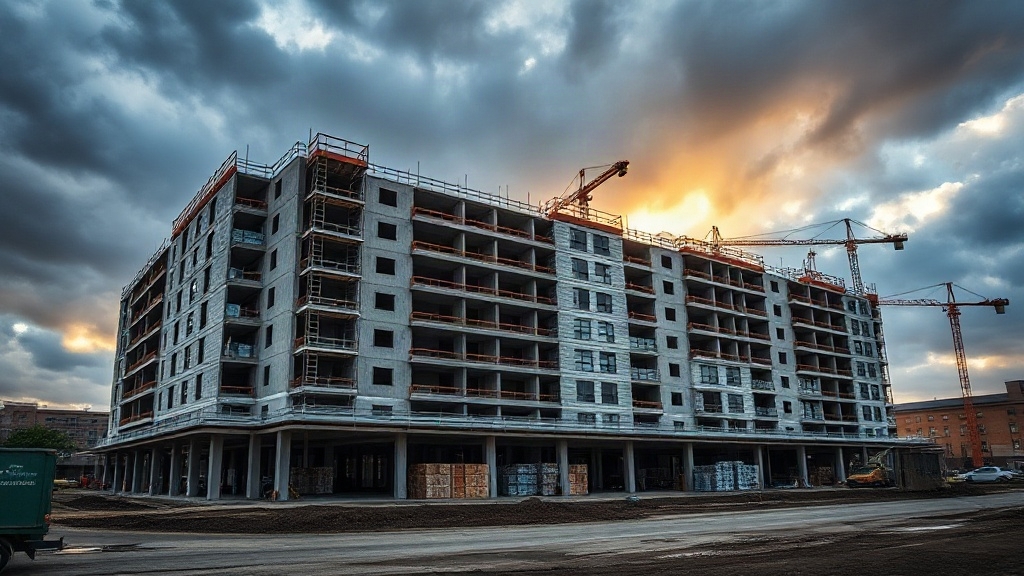
Rebuilding inventory and the construction pipeline keep gains restrained.


Sales Lift Meets Better Affordability
Existing home sales are forecast at 4.2 million in 2026, up about 4% from 2025.
Mortgage payments are 8.4% lower year over year, with affordability improving in 20 markets.
Multifamily rent growth of 0.3% reduces rental spillover into first-time homebuying.
What’s Driving Zillow’s 2026 Housing Outlook
As mortgage rates drift toward 6% by late 2026, Zillow expects affordability to improve.
That could hold even if rates stay above 6% for much of the year.
Zillow says median-income buyers still spend about one-third of their income on mortgage payments.
Rate Path and Affordability
Core drivers
Payments are 8.4% lower than a year ago under a 20% down payment assumption.
- Rates easing toward 6%
- Home values rising about 1.2%
- Household incomes climbing
- Inventory stabilizing with sales up 4.3%
- Competition staying subdued
Price growth has been flat recently.
That keeps the affordability trifecta intact into 2026.
Supply, Income, and Risk Backdrop
Monetary policy that holds inflation in check supports a soft landing.
It also points to gradually steadier borrowing costs.
Even with a recent Fed rate cut, surging Treasury yields show markets remain skeptical about the path of further easing.
Employment worries and policy uncertainty still constrain confidence.
Demographic shifts and slow rent growth of 0.3% ease pressure on would-be buyers overall.
Zillow’s Most Buyer-Friendly Metros for 2026
Zillow’s 2026 outlook points to improving affordability, and the next stress point is where buyers gain the most leverage.
Its buyer-friendly list highlights metros with lower competition and manageable payment burdens.
Rankings Show Reduced Pressure
Indianapolis ranks No. 1, followed by Atlanta, Charlotte, Jacksonville, and Oklahoma City.
In Indianapolis, mortgage costs run 26.9% of income, with 2.9% forecast appreciation.
That pairing offers upside with fewer bidding wars.
Metrics Behind the Disruption
Zillow scores affordability versus incomes, upside potential, and the Market Heat Index.
The index tracks days on market and the share of listings with price cuts.
Lower heat means buyers have more time to compare school districts and walkable neighborhoods.
In Denver, inventory has climbed to 8,500 homes, the highest in more than a decade, widening buyers’ negotiating room.
It also reduces the pressure to make rushed concessions.
Regional Pattern
Midwest stability and Sun Belt construction keep more homes within budget.
That trend strengthens negotiating leverage nationwide.
Zillow’s Hottest 2026 Markets: Competition Risks
Even if national price growth stayed flat in 2025, Zillow’s hottest 2026 metros show tightening supply and escalating competition.
Pressure is rising.
Supply Shock in Leaders
Hartford leads with a 3.9% 2026 forecast and 63% fewer listings than pre-pandemic levels.
In 2025, 66.4% of Hartford sales closed above list, strengthening Seller Leverage.
Hartford’s 28% office vacancy highlights broader commercial real estate stress that could ripple into local investor sentiment.
Buffalo ranks second at 2.5% and holds the top Zillow Market Heat Index.
Where Bidding Wars Intensify
New York sits third with 1.5% growth and the lowest price cut rate at 13.5%.
Providence is fourth at 3.0%.
San Jose is fifth at 1.2% amid a 27% inventory deficit.
Risk Markers
- Northeast dominance narrows options
- Faster turnover shortens windows
- Few price cuts mask risk
- High-cost coastal demand persists
- Returns hinge on pricing
Zillow 2026 Downside Markets: Where Prices May Drop
While national appreciation is projected to stay muted at about 1.9% in 2026, price weakness is already showing up across large U.S. metros.
In January 2026, the Zillow Home Value Index slipped 0.4% month over month, extending a six month decline.
Year over year prices were down in about half of cities, including Los Angeles, Dallas, Houston, Miami, Atlanta, Phoenix, San Francisco, and Seattle.
Forecast Cuts Signal Unstable Floors
Zillow now projects 12 major markets will post annual losses in 2026, down from 24 projected in October 2025.
The revision reflects faster than expected softening as inventory rose 6% and buyer competition eased. Even with rising listings, Months Supply of Inventory is trending toward balanced-market levels, pointing to a stall rather than a crash driven by forced selling.
Demand Frictions That Deepen Downside
Affordability and a softening labor market continue to suppress sales, even with mortgage payments 8.4% lower than a year earlier.
Climate vulnerability and tax assessment can amplify declines by raising costs and limiting bids.
Assessment
Zillow’s 2026 outlook signals a measurable shift in housing demand as affordability pressure persists.
Price growth is expected to cool in many regions, while sales momentum concentrates in select metro areas.
Buyer-friendly markets may widen negotiating leverage, but investor-heavy markets face heightened volatility.
Downside metros carry higher risk of price declines if employment or migration trends soften.
The forecast frames 2026 as a pivot year with uneven outcomes across the U.S. housing map overall ahead.