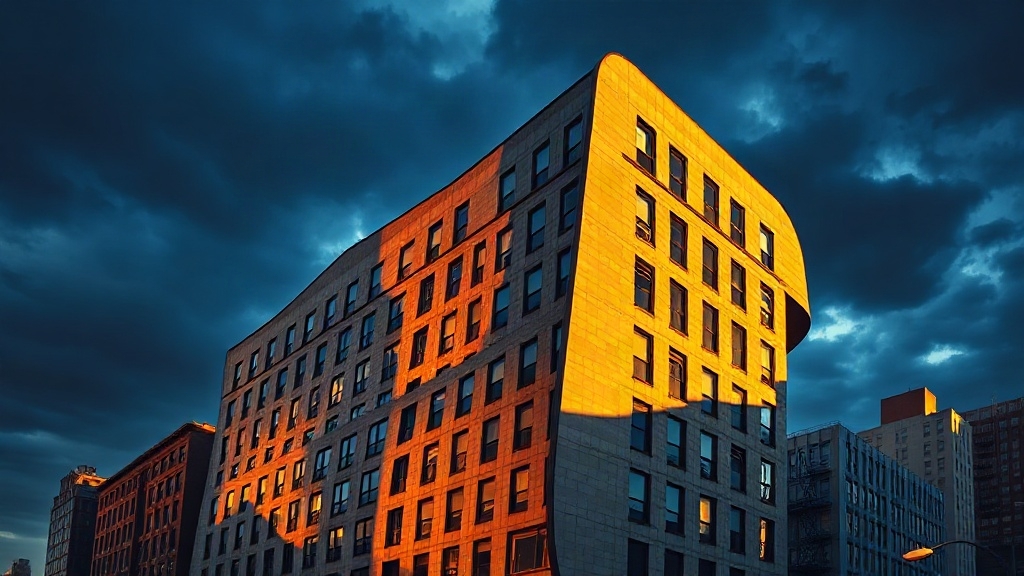



Understanding the Impact of Zombie Properties on Seattle’s Real Estate Market
Seattle grapples with the disruptive presence of zombie properties. This phenomenon leaves unmistakable footprints on its thriving real estate terrain.
Rising zombie property trends in Seattle exacerbate foreclosure effects. These trends impact local market dynamics significantly. Homeowners hold onto properties, creating market gridlock, and increasing the number of zombie properties that exacerbate competition and inventory shortages.
As homes become stuck in legal limbo, identifying and resolving them becomes increasingly complex. High-value homes stand abandoned, blighting the landscape amidst soaring real estate values.
With a notable uptick in properties valued at or above $1 million, neighborhoods feel the pressure. Each vacant unit aggravates housing shortages and inflates competition.
This situation affects overall property values and neighborhood vitality. As Seattle’s zombie properties rise, the abandoned homes obstruct market vitality. Currently, zombie properties account for 3.3% of all homes in foreclosure, reflecting a modest increase in foreclosure impact within the city.
They cast a long shadow over the city’s real estate hopes. This complicates future growth and development prospects.
Risks and Challenges for Investors in High-Cost Markets
The ongoing challenges posed by zombie properties in Seattle’s real estate market underscore broader risks inherent in high-cost urban areas. Investment pitfalls in these markets stem from financial volatility and the unpredictable nature of economic shifts.
Rising interest rates and inflation exacerbate financing difficulties.
This impacts cash flow and profitability for investors. Moreover, liquidity risks heighten as expensive properties in Seattle face diminishing buyer pools.
This is particularly evident during downturns, leading to potential losses. Affordable housing options, such as prefabricated tiny homes, are being considered by some investors to mitigate risks and respond to changing consumer demands.
Climate-related vulnerabilities also pose significant challenges as properties increasingly vulnerable to weather events may require higher insurance costs and result in potential property damage.
| Risk Type | Description |
|---|---|
| Economic Risk | Rising rates and inflation diminishing cash flow; affecting profit margins |
| Market Volatility | Property value and rental income declines unpredictable |
| Liquidity Risk | Difficulty selling properties quickly without financial loss |
| Tenant Income Risk | High vacancy rates and defaults in costly urban environments increasing instability |
Neighborhood affordability challenges further contribute to market volatility. This deters prospective buyers and renters alike.

Strategies for Mitigating Zombie Home Effects in Seattle
Amidst the escalating zombie property crisis in Seattle, strategic interventions are vital. These efforts aim to prevent further decay and stabilize the market.
Community coalitions and zoning adjustments play an important role. Diverse local coalitions, including public, private, and community groups, can maximize resources.
Zoning adjustments open pathways for converting abandoned properties into residential spaces. Fundamental strategies include crafting neighborhood revitalization plans.
These plans blend living, working, and leisure spaces. Establishing task forces of city officials and private leaders is crucial. They prioritize interventions to tackle the crisis.
Promoting policies for return-to-work initiatives boosts area demand. Conducting thorough evaluations helps identify high-risk properties.
Prioritizing property acquisitions ensures alignment with community needs. Feasibility assessments accompany these acquisitions.
Harnessing such strategies guarantees effective mitigation of zombie home effects. This encourages neighborhood recovery and growth.
Assessment
The surge in zombie home costs poses a significant threat to Seattle’s real estate stability. Investors face heightened risks as property values fluctuate unpredictably.
The challenges of managing vacant properties are compounded by rising maintenance expenses. Decreased neighborhood appeal adds to the list of concerns.
Implementing strategies like stricter legal enforcement and community rehabilitation projects can help alleviate negative impacts. A proactive approach is essential to preserve market health.
Amidst growing concerns, such efforts ensure Seattle remains resilient. This multifaceted real estate dilemma requires vigilance to protect the city’s future.