

What Sold at 229 West 28th Street?
At 229 West 28th Street, the asset that changed hands was The Caxton Building, a 12-story pre-war property in Chelsea. It contained roughly 156,000 square feet and dated to 1917.
The Manhattan building was known as a former rental structure and, by the time of sale, functioned largely as office space. Sources placed its size between 153,913 and 156,500 square feet. The property sold to Lexin Capital for \$81.5 million on March 3.
It also featured 12,500-square-foot floor plates, 11-foot ceilings, and particularly good light and air. Similar to properties benefiting from Class A amenities, the building’s flexible office layout and strong natural light could support tenant appeal.
Historic Identity Under Pressure
The property also carried a nightlife legacy through its past use as Shadow Nightclub. The venue had been tied to neighborhood complaints.
Its history reflected a mix of commercial and entertainment occupancy near Hudson Yards. The building’s age and intact pre-war character made architectural preservation part of how observers understood the asset.
Why It Sold for $81.5M
Why did the property command $81.5 million despite pricing below the market’s top-end expectations?
The answer centered on scale, address, and redevelopment potential.
At 156,000 square feet across 12 stories, the Chelsea asset offered unusually large usable area in a supply-constrained Manhattan corridor.
That scale gave buyers room for commercial repositioning while preserving institutional appeal.
Pricing Pressure Stayed Intact
Market dynamics also supported the valuation.
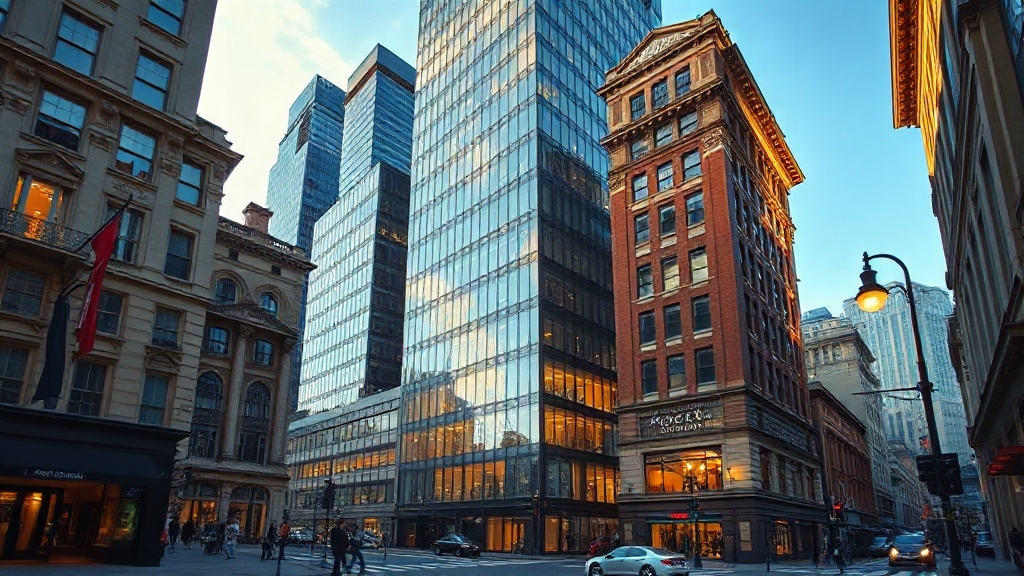
Chelsea remained a high-demand West Side location, and few comparable sites of similar size were available.
The building’s recent office use likely reduced near-term friction compared with a more specialized property.
Lexin Capital’s purchase from Joss Realty Partners therefore reflected more than past operations.
Comparable urban deals also underscore investor focus on affordable housing and redevelopment value in tightly constrained markets.
The modest gap from expectations near $90 million still signaled strong investor confidence in core Manhattan development value overall.


The Site’s History in Chelsea
Long before Chelsea emerged as a dense Manhattan real estate corridor, the terrain formed part of a much older milieu shaped by Indigenous settlement, colonial ownership, and steady urban expansion.
The Lenape inhabited nearby Sapokanikan, and the area supported Lenape trading routes.
In 1750, Thomas Clarke bought 94 acres and named the estate Chelsea after the London district.
Clarke’s holding stretched from 21st to 24th Streets, from the Hudson River to 8th Avenue, giving the site an early framework tied to large-scale landownership.
Industrial Change
Over the nineteenth century, former estate land gave way to an urban neighborhood as Manhattan expanded northward.
Its river-adjacent position encouraged transportation, freight activity, and industrial warehouses.
These commercial functions became embedded in Chelsea’s physical identity and prepared the ground for later adaptive reuse.
What This Sale Says About Chelsea
Scarcity defines the signal behind a nearly £8 million Chelsea site sale.
The deal points to Chelsea’s standing as one of London’s premium property zones, where limited land and enduring prestige keep values elevated.
Even a modest parcel can attract outsized pricing when supply is constrained and location carries global recognition.
Strong Pricing Under Uneven Conditions
The transaction also highlights market resilience.
Prime districts can hold firm even when broader activity is uneven, and this sale suggests confidence rather than distress.
Pricing at this level indicates that investors still view Chelsea as capable of supporting high-value capital over time.
Wealth-Led Demand Remains Central
The buyer profiles implied by such a sale are also telling.
Chelsea continues to appeal to high-net-worth buyers, investors, and institutions that prioritize status, scarcity, and long-term value over immediate yield.
What Could Be Built Next
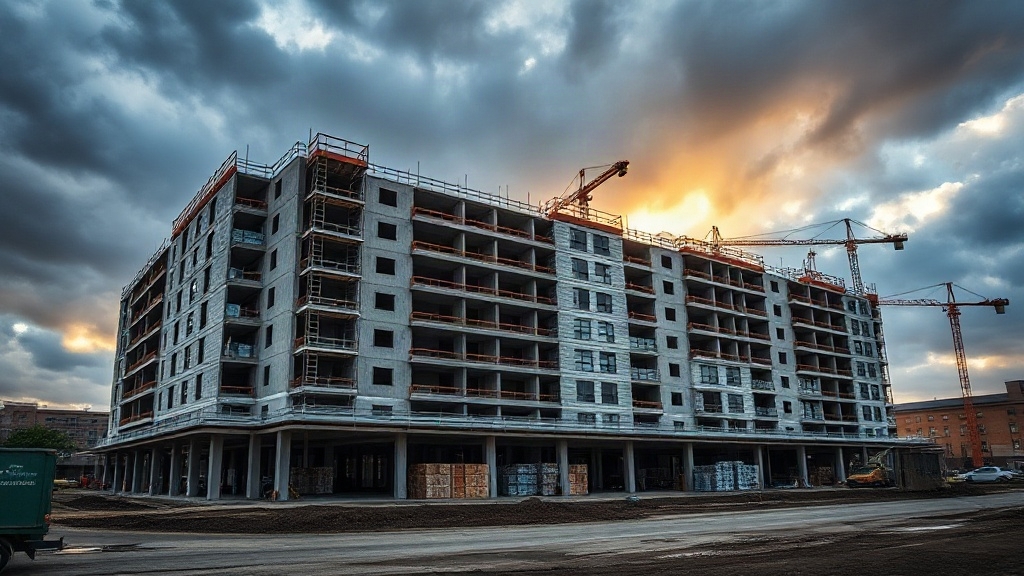
Under the city-backed redevelopment vision, the site is positioned for a far denser future centered on demolition and full replacement rather than piecemeal renovation.
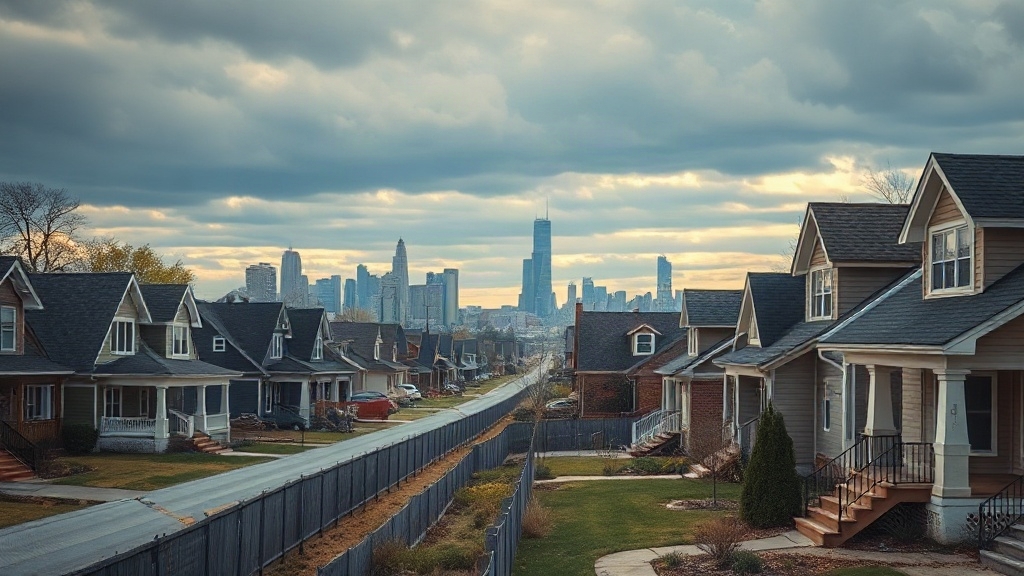
Plans indicate a mixed-use campus with stronger tower density, active storefronts, and a more street-like layout replacing superblock housing.
Current frameworks point to six replacement high-rises and nine additional mixed-income buildings. Some towers could reach roughly 39 to 40 stories.
- About 3,500 new homes overall
- Roughly 1,000 permanently affordable units
- Remaining apartments aimed at market-rate demand
- Community facilities and public-serving space included
- Pocket parks and retail edges planned
Early filings already show a 12-story building at 401 West 19th Street and a separate 40-story tower concept.
Full buildout still depends on ULURP, City Council, and HUD approvals.
Assessment
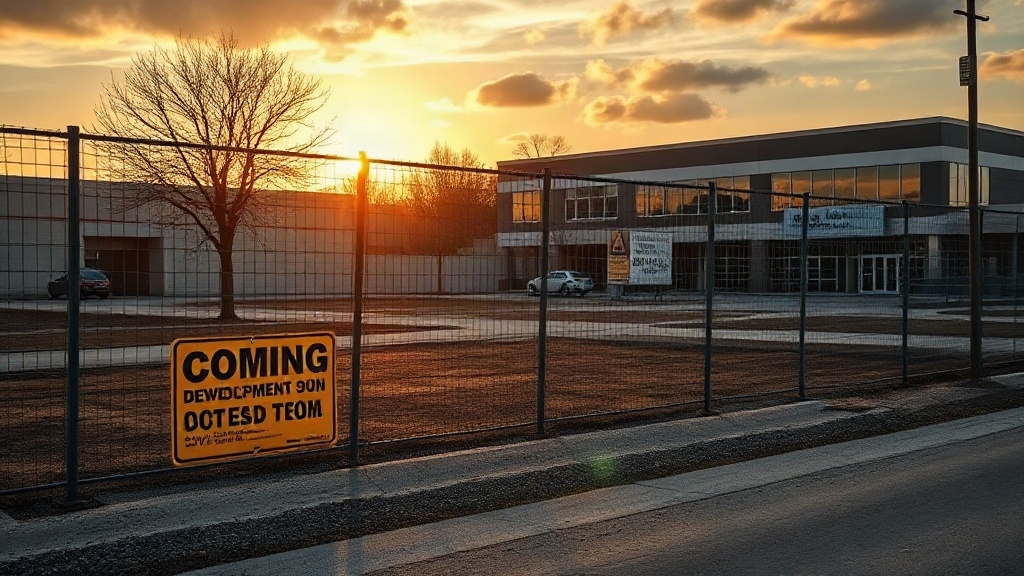
The $81.5 million sale of 229 West 28th Street marks another high-stakes shift in Chelsea’s development terrain.
The transaction reflects sustained investor confidence in large-scale Manhattan sites despite elevated costs and uncertain market conditions.
With its club history now eclipsed by redevelopment potential, the property stands as a clear signal of continuing change across the neighborhood.
What rises next on the site will likely influence both local ground values and Chelsea’s next phase of growth.