

Is Detroit’s New-Home Market Cooling or Stabilizing?
Detroit’s new-home market is showing clearer signs of cooling, as high interest rates have softened demand and slowed construction across Metro Detroit.
Recent data shows sales activity has eased, with spring 2025 transactions down roughly 10% to 13% from a year earlier.
Homes in Detroit also took longer to sell, averaging 50 days on market in April 2025 versus 43 days the year before. Buyers are also benefiting from more inventory, with approximately 3,582 active residential listings as of January 2026 expanding choice across the market. Statewide, resale inventory in Michigan has risen 17% year over year, helping ease some supply pressure even as competition remains elevated.
Stabilization Limits Downturn Risks
At the same time, market sentiment has not turned sharply negative.
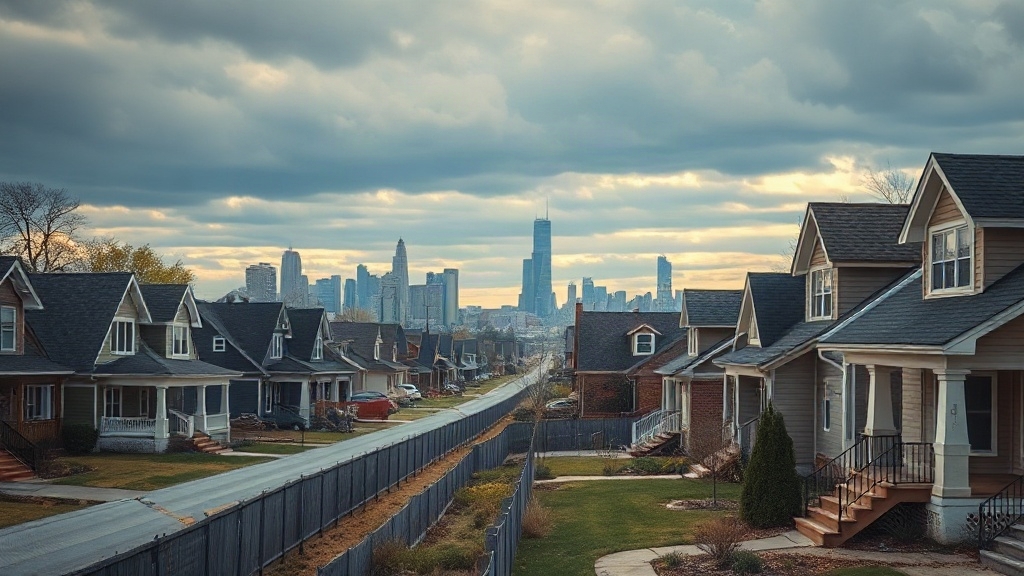
Analysts have described the Detroit-Warren-Dearborn area as a choice-without-a-crash market, where supply dynamics are improving but prices remain relatively steady.
Median list prices were down only 1.8% year over year in April 2026, while broader commentary continues to frame conditions as balanced, with moderation replacing the overheated pace of earlier years.
How More Detroit Listings Are Helping Buyers
As inventory expands across the metro, buyers are gaining a clearer advantage in a market that recently offered too few choices.
Active listings in the Detroit-Warren-Dearborn area rose 20.0% year over year in April 2026, outpacing regional and national gains.
That increase is improving inventory diversity, with thousands of homes available across entry-level and move-up price ranges.
More Choice, Less Pressure
Detroit also reported between 2,440 and 3,582 active residential listings in January 2026, reflecting a deeper pool of options.
New listings increased 6.7%, giving buyers more time to compare homes and reducing pressure in competitive neighborhoods.
This kind of inventory expansion mirrors low single digits price appreciation seen in other Midwest markets as supply begins to ease bidding pressure.
Assistance accessibility is also strengthening demand.
Detroit’s down payment program can provide up to $25,000 and cover up to 50% of a purchase price, helping more households act on available listings.


Why Detroit New-Home Construction Is Slowing
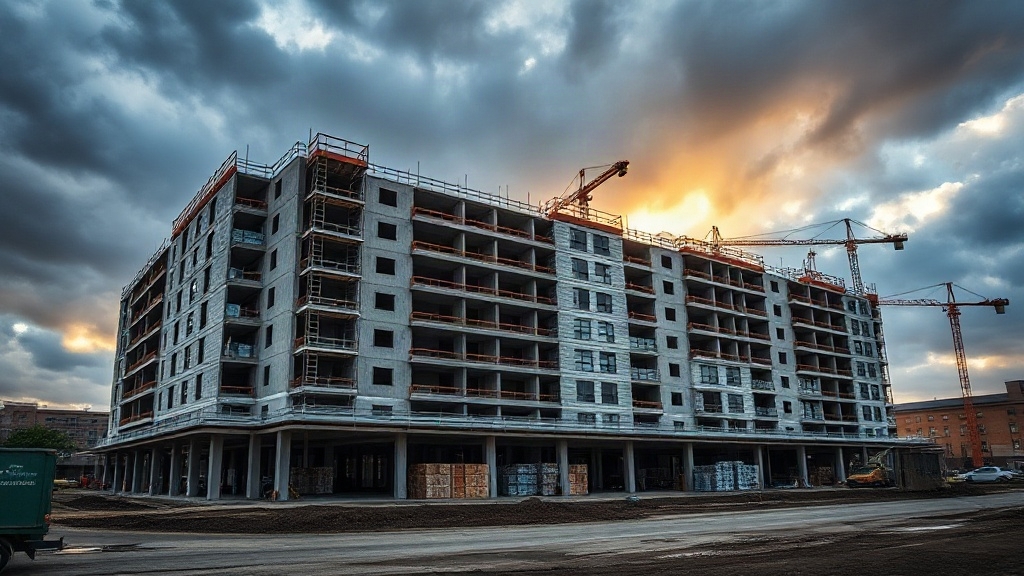
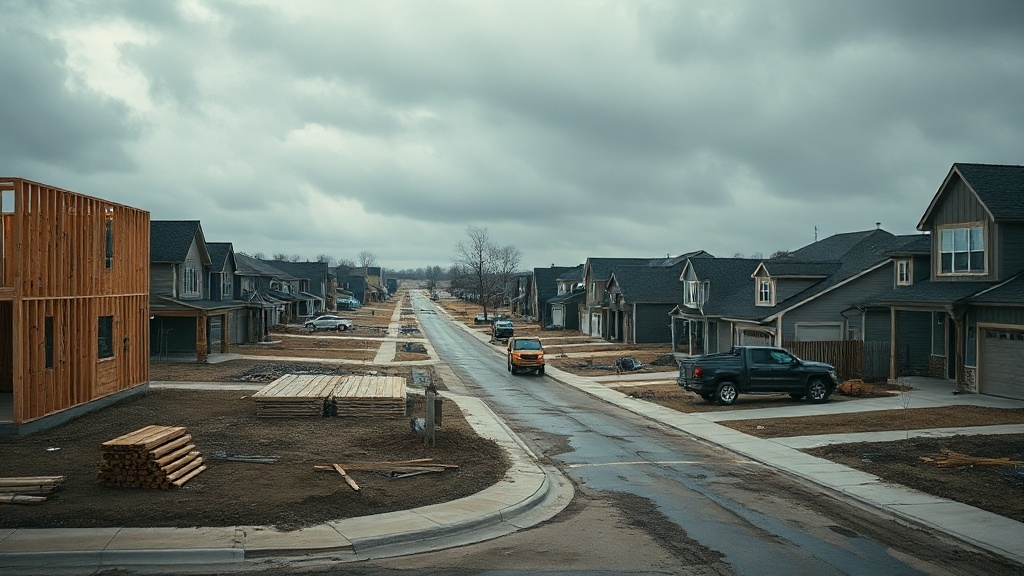
Falling construction activity is signaling a sharper slowdown in Detroit’s new-home pipeline.
Residential permit reviews in metro Detroit are down 21.3% year-to-date. City permits for new houses also remained extremely limited in 2023 and 2024.
Costs and Demand Pressures
High project costs are making many new homes difficult to justify.
Local estimates put a basic three-bedroom house near $450,000. Materials, land, labor, and mortgage rates above 6% are also weakening demand, especially for middle-income buyers.
Labor, Rules, and Capital Constraints
Builders also face skilled-labor shortages, slow approvals, and rising regulations.
These pressures extend timelines and increase risk.
Restrictive zoning, land-use barriers, and limited community financing reduce the number of subdivisions and infill projects.
That makes it harder for projects to move forward at scale across the Detroit area.
Where Detroit Home Prices May Go Next
Where prices move next will likely depend on whether demand revives faster than supply can expand.
Detroit prices appear positioned for moderate to strong gains in 2026, even with mixed recent readings. Forecasts call for citywide increases of 5 to 7 percent, while some estimates place Detroit-specific growth slightly above 10 percent.
The metro average is projected to rise 9.5 percent.
Forces Shaping the Next Move
Limited new construction and still-tight supply continue to support values, although inventory has risen more than 16 percent year over year.
At the same time, falling mortgage rates could improve buyer sentiment and bring more shoppers back into the market.
Strong equity gains among owners may also reduce distressed selling. That should help prevent sharp price drops, even as cancellation rates stay elevated and recent data show pockets of price stability.
How Detroit Buyers and Builders Are Adjusting
Detroit buyers are moving more cautiously as inventory expands and urgency fades across the metro. With more than 12,400 first-quarter sales and supply at its highest level since 2019, demand remains present but more selective.
Buyer preferences are tilting toward affordability, concessions, and homes that justify monthly costs as taxes and prices keep rising.
Builder Response
Builders are adjusting to slower absorption and heavier competition from existing listings. That shift is limiting pricing power, especially as higher-priced homes above $400,000 take longer to move and attract concessions.
Builder incentives are becoming more important, with product fit and delivery timing carrying more weight than during the pandemic-era shortage.
Measured price growth suggests the market is not breaking, but both sides are recalibrating around choice, cost pressure, and reduced urgency.
Assessment
Detroit’s new-home market appears to be shifting from rapid expansion to a more restrained phase.
Rising inventory is easing some pressure on buyers, while slower construction reflects higher costs, financing strain, and more cautious builder expectations.
Price growth may continue to cool as supply improves, though sharp declines remain unlikely without a broader economic setback.
Across the market, both buyers and builders are responding to a less aggressive environment marked by adjustment, restraint, and heightened uncertainty.