

How Rare Is a 117K SF Warehouse in New York?
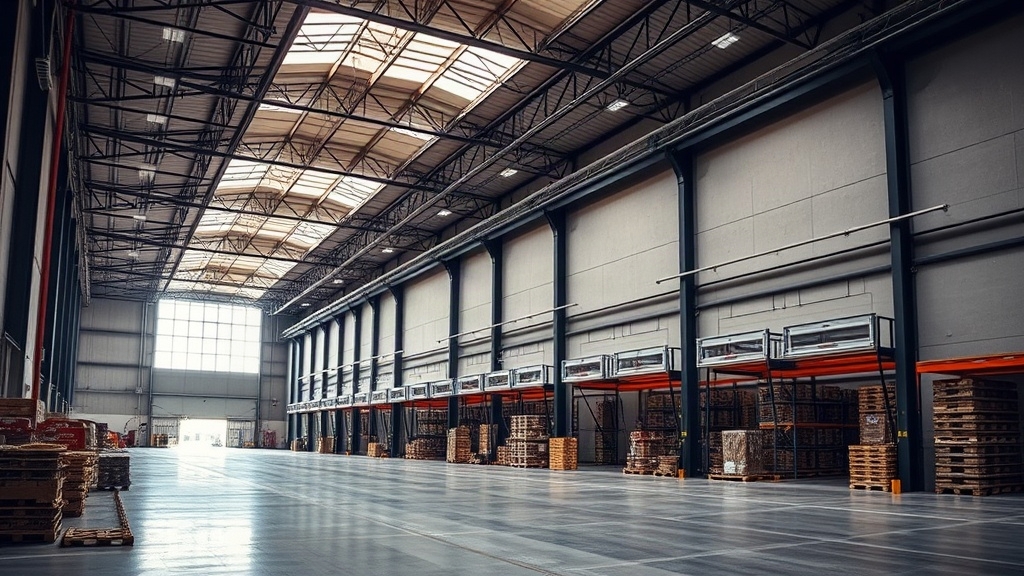
By New York City standards, a 117,000-square-foot warehouse sits in a scarce upper tier of the industrial market.
The city contains 158.9 million square feet of industrial stock, but most buildings are far smaller. Traditional warehouse footprints are typically under 25,000 square feet, and 6,842 properties fall below that threshold. Q2 2023 leasing activity increased 27% quarter-over-quarter, underscoring active demand for industrial space despite limited large-format availability. Similar to housing markets where rising inventory can shift negotiating leverage toward buyers, industrial users may also become more selective when supply expands amid easing prices.
The average industrial building measures 24,846 square feet, while the median is only 8,822.
Uneven Supply Concentration Intensifies Rarity
A 117,000-square-foot facility stands above the common 50,000 to 99,999-square-foot band. Buildings above 75,000 square feet number just 249 citywide, showing sharp supply concentration in a limited segment.
That pattern also reflects tenant segmentation, since very large spaces are not the dominant leasing target in the market.
The result is a distinctly uncommon warehouse footprint in New York.
Why 117K SF Matters in NYC Warehousing
In a market defined by small-bay leasing and tight urban constraints, 117,000 square feet occupies a strategically important middle ground.
It exceeds the dominant lease-size band while avoiding mega-box complexity.
That supports operational scalability for users needing regional distribution, omnichannel fulfillment, or service-heavy logistics.
- Larger than typical small-bay leases
- Flexible for one user or split-bay layouts
- Supports higher throughput in costly rent zones
- Fits final-mile and fulfillment functions
- Broadens potential tenant mix
With five-borough vacancy still relatively tight and functional Class B/C options especially constrained, a move-in-ready 117K SF block remains valuable.
Similar to transit-oriented development near major stations, strategically located space can increase accessibility and long-term operational efficiency.
In a high-rent market, that footprint can improve efficiency per location.
It also allows tenants to capture urban access, inventory buffering, and labor-intensive operations without overcommitting to oversized space commitments.


Why Bronx Warehouse Demand Leads the Market
Final-mile positioning keeps the Bronx at the front of New York City warehouse demand.
Its location inside the five-borough core supports final-mile efficiency for reaching Manhattan, Brooklyn, Queens, and nearby regional customers.
That advantage matters because dense population clusters and fast delivery routes keep infill logistics space highly competitive.
Cost Pressure Sustains Demand
Demand also reflects urban affordability relative to other city-adjacent options.
Bronx asking rents averaged $22.12 per square foot in early 2026, below broader Outer Borough levels.
That gives cost-sensitive tenants a practical entry point.
Occupiers increasingly prefer flexible, older commodity-style buildings over premium space.
Infill Space Fits User Needs
Even with rising availability, constrained urban industrial land continues to support interest.
Smaller, single-story, location-efficient properties align closely with distributors, food users, 3PL firms, and regional operators.
What a 117K SF Warehouse Expansion Signals
A 117,000-square-foot warehouse expansion signals more than routine growth in New York’s industrial market. It points to sustained demand for large-format space, where facilities above 50,000 square feet hold outsized importance despite limited representation.
This scale suggests long-term confidence in logistics, storage, and final-mile activity, not temporary occupancy.
Key Signals
Demand is moving beyond small-bay space toward larger, more functional assets. The footprint supports tenant consolidation and streamlined workflows.
Expansion often reflects inventory growth and the replacement of fragmented storage. Capital deployment at this size indicates confidence in long-term asset value.
Scarcity of modern sites reinforces the importance of operational resilience. In a supply-constrained market, a 117K SF expansion also implies that suitable parcels remain difficult to secure.
That makes each large project a meaningful indicator of market conviction.
How New York Warehouse Development Is Changing
That same market conviction is now meeting a tougher development environment across New York.
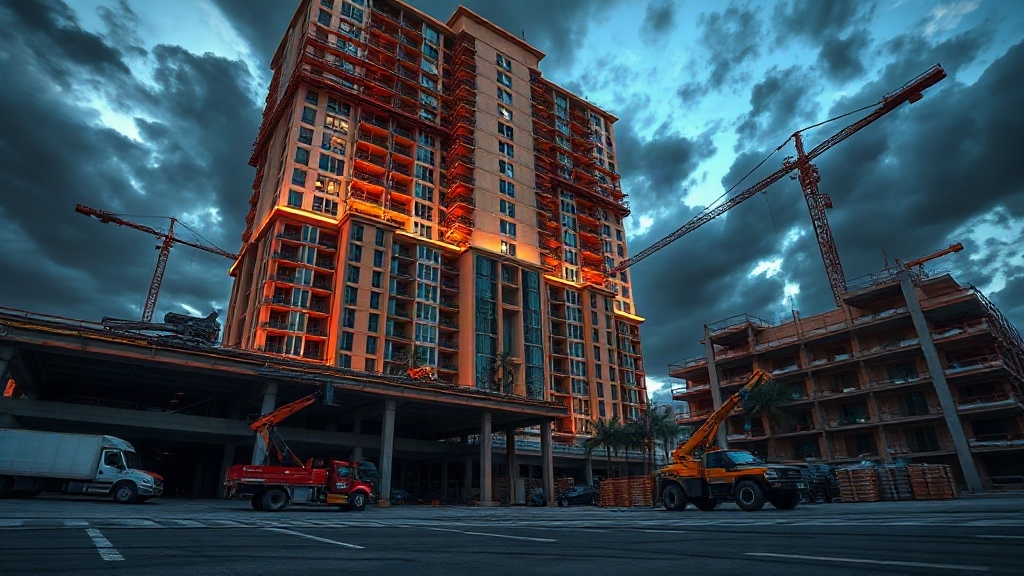
Regulatory constraints are reshaping how warehouse projects move from concept to construction.
Special-permit rules in New York City and moratorium signals in places such as New Windsor are raising entitlement risk, extending timelines, and forcing greater zoning adaptation.
Pipeline Pullback Reshapes Strategy
After a multi-year buildout, the development pipeline has contracted sharply.
Reports place space under construction between less than 1.0 million SF in the city and roughly 3.1 million SF regionally, both well below prior peaks.
Developers are responding with a more selective approach.
Speculative expansion is giving way to targeted projects in stronger submarkets, while tenant consolidation and smaller-format demand are steering interest toward functional Class A and resilient Class B/C space.
Assessment
At 117,000 square feet, the expanded New York warehouse footprint reflects the scarcity and rising strategic value of large industrial blocks in the city.
The move underscores sustained pressure on Bronx logistics assets, where location, truck access, and final-mile reach continue to drive leasing and development decisions.
It also points to a tighter, more competitive market, as larger facilities become central to modern distribution networks and harder to replace within New York’s constrained industrial setting.