

Key Takeaways
- Main Street has shifted from locally owned shops and properties to investor-controlled assets.
- Money that once circulated locally now often flows to distant firms focused on rents and returns.
- Rebuilding Main Street depends on local ownership, fair leases, shared spaces, and community culture.
How Ownership Changed the Heart of Local Communities
You see how Main Street became America’s cash machine when local shops, apartments, and corner lots turned into investor assets.
Money that once stayed with local owners now flows to distant firms that raise rents, replace character, and treat blocks like balance sheets.
But you can help rebuild Main Street by supporting local stores, fair leases, shared ownership, murals, music, food, and public spaces that bring neighbors back together.
The bigger story starts with who owns the block.
What Main Street Used to Mean
Main Street once meant more than a row of shops. You knew the baker, the barber, and the clerk who saved your order. You walked there because it felt like the town’s front porch, open to everyone.
You saw small town gatherings fill the sidewalks with music, handshakes, and shared news. You watched civic parades roll past flags, fire trucks, school bands, and veterans who reminded everyone what service looked like.
You didn’t just buy things there. You belonged there. Main Street gave you a place to meet neighbors, celebrate milestones, and solve problems face-to-face.
It carried your town’s memory in brick storefronts, glowing windows, and familiar voices. Those same brick storefronts now hold architectural authenticity that buyers and investors increasingly see as real value. When you pictured home, you often pictured Main Street first, steady, welcoming, and alive.


How Investors Changed Main Street Ownership
When investors buy buildings that local families held for decades, the shift is hard to miss.
Rent checks that once stayed in town now flow elsewhere, and local owners have less say in what Main Street becomes.
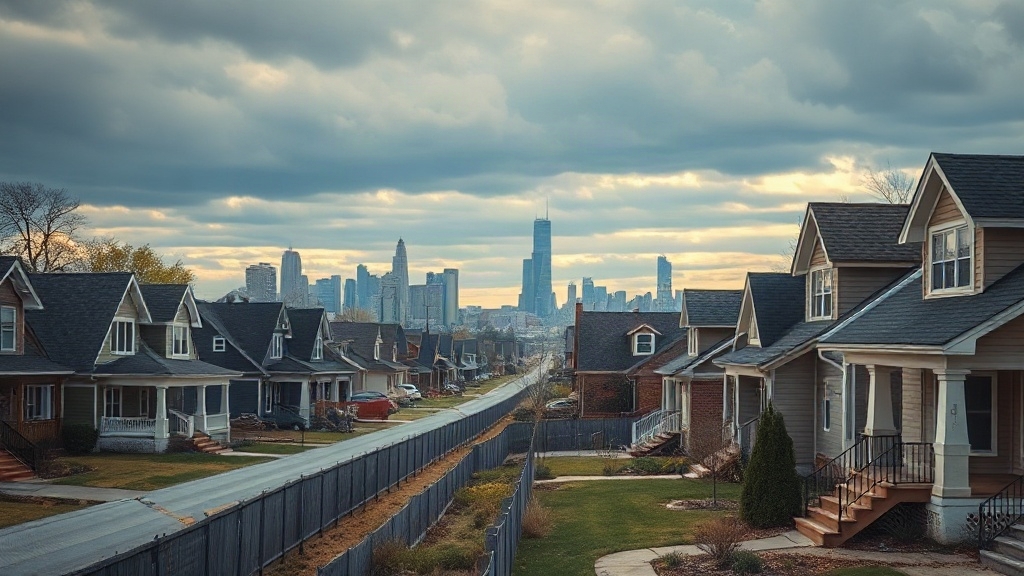
In single-family housing, institutional investors owned 26% of homes sold in Q4 2024, intensifying concerns about affordability and local control.
Investor-Led Property Shifts
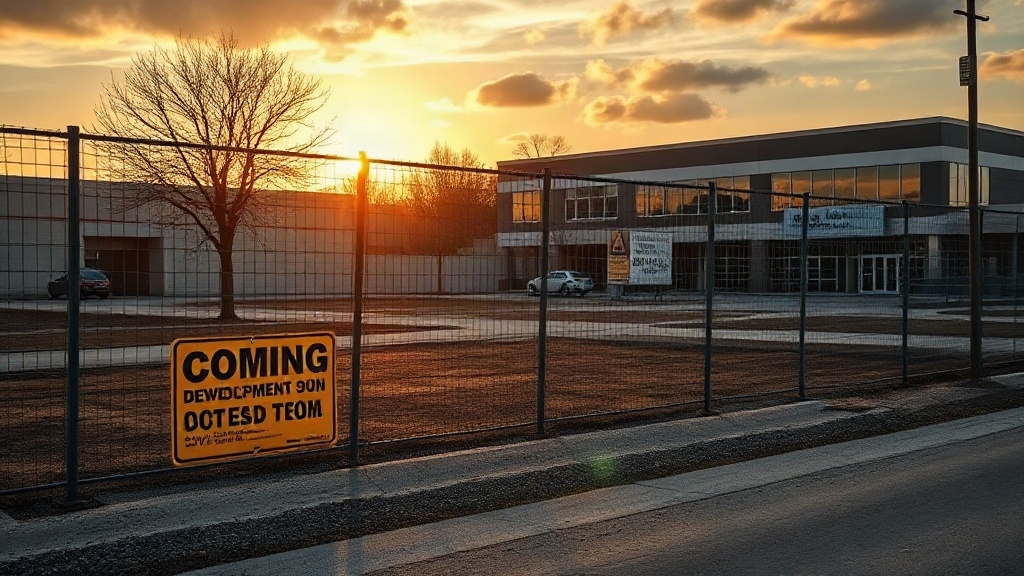
As investors searched for steady returns, they started buying the buildings that once held local dreams, family savings, and handshake deals. You saw Main Street shift from neighbor-owned storefronts to assets in large portfolios.
Institutional investors looked at small-town blocks, strip centers, and mixed-use corners with fresh math. They counted rent growth, foot traffic, and resale value. Corporate landlords then used scale to set terms, upgrade systems, and raise expectations.
You can feel the change when a familiar building gets a new logo, new rules, and a distant decision-maker. The street still looks personal, but the ownership map grows more complex. For many towns, property became less like a rooted promise and more like a financial tool built to serve returns.
Local Ownership Declines
When local owners sell, a town doesn’t just lose a name on a deed. You lose someone who knew your kids, sponsored your teams, and fixed problems face-to-face.
As declining proprietorships spread across U.S. Main Streets, investors often replace personal ties with distant rules. You may still see open doors, bright signs, and fresh paint, but decisions now come from offices far away.
Franchise expansion can bring jobs and steady service, yet it can also make one town look like the next. You feel that change when a family diner becomes a chain or a hardware store turns into a branded outlet.
Still, you can choose where your dollars land. When you support local owners, you help keep roots in the soil.
How Main Street Became an Asset Class
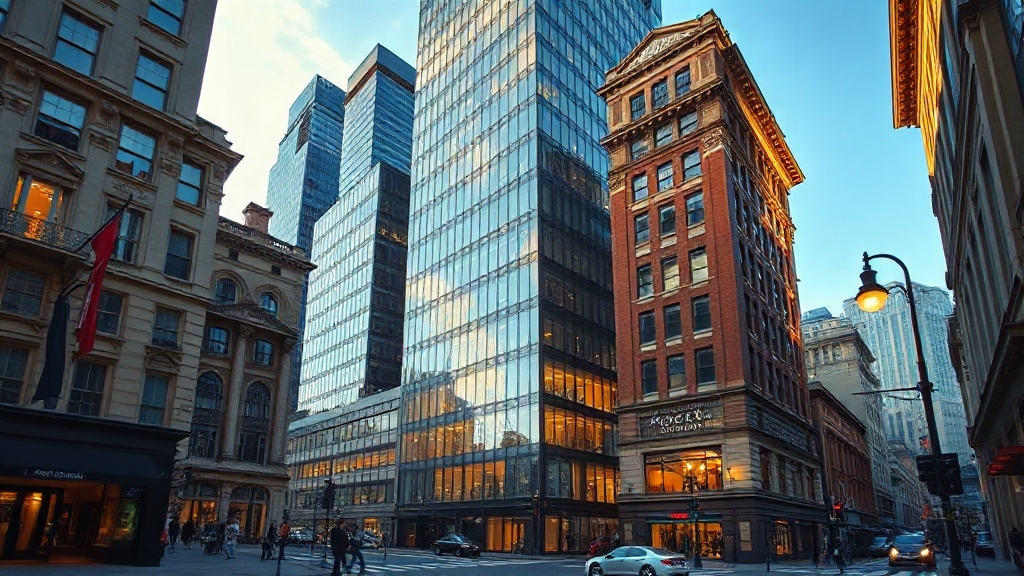
Across the United States, ordinary storefronts, small apartment buildings, self-storage sites, duplexes, and corner lots slowly turned into something Wall Street could measure, package, and trade. You saw Main Street become a spreadsheet with doors, roofs, and monthly payments.
| Old View | New View |
|---|---|
| Family shop | Income stream |
| Corner lot | Growth play |
| Duplex | Yield source |
| Local landlord | Portfolio operator |
Investors compared blocks by risk, cash flow, and resale value. You felt that shift when familiar buildings changed hands quietly.
Institutional buyers have also expanded into single-family rentals, using scale and data to chase steady monthly income in neighborhoods once shaped mostly by local owners.
Community ownership offered another path, because neighbors could hold value together instead of watching wealth leave town. Revenue sharing also gave residents a clearer stake in growth.
Main Street didn’t lose its soul overnight. You can still help it choose people over pure math.
How Main Street Rents Squeeze Small Businesses
You probably see it before anyone says it out loud: the same sales don’t stretch as far, the slow days feel heavier, and every rent increase takes another bite out of an already thin margin. Landlords raise the cost of staying put, and small businesses are left trying to cover more with less. A tight housing inventory market can add to that pressure by pushing up local property values and making commercial landlords more confident about raising rents.
From the sidewalk, Main Street may still look lively. But behind the counter, the pressure is building. Next, it’s worth looking at how those rising rents change the day-to-day decisions small business owners have to make.
Rent Hikes And Margins
As rent climbs on Main Street, small business owners feel the squeeze long before customers notice a higher price tag. You feel rent pressure in every choice, from hiring help to stocking shelves.
- You raise prices, but customers may buy less or walk away.
- You cut hours, yet shorter days can shrink sales.
- You delay repairs, and the shop starts to feel tired.
- You absorb costs, but margin erosion drains your safety net.
Each rent hike forces you to protect what makes your business special. You stretch every dollar, study every receipt, and hope loyal neighbors keep showing up.
Still, you’re not powerless. You can track costs early, adjust slowly, and keep your story visible so customers understand the pressure behind the counter.
Landlords Versus Local Shops
When a landlord raises the rent, a local shop doesn’t just pay a bigger bill. You feel it in higher prices, shorter hours, and empty windows where familiar faces once waved.
You watch owners choose between payroll, inventory, and rent. Many don’t have strong Tenant rights, so one steep increase can erase years of work.
Community storefronts give your block its memory. They hold the barber who knows your family, the baker who sponsors teams, and the hardware clerk who fixes problems.
When rent turns Main Street into a cash machine, you lose more than stores. You lose trust, jobs, and places where neighbors meet.
You can support fair leases, local ownership, and policies that protect small businesses. Your street deserves roots, not constant turnover today.
Why Main Street Lost Its Local Character
Local character fades when money starts making the decisions that neighbors used to make. You see it when the old diner becomes a logo, and the barber’s sign gets replaced by glass and sameness.
- Chain migration brings national brands that copy the same layout from town to town.
- Cultural erosion starts when familiar voices, smells, and stories leave the block.
- Higher rents push out shopkeepers who knew your name and your kids.
- Investors reward safe, repeatable stores, so risk and local flavor lose space.
You don’t lose Main Street all at once. You lose it sign by sign, lease by lease, memory by memory.
Then one day, you look around and feel like your hometown got traded for a spreadsheet.
That same spreadsheet logic is reshaping housing too, with investors buying 1 in every 6 single-family homes sold in Q2 2024.
How Communities Can Rebuild Local Main Streets
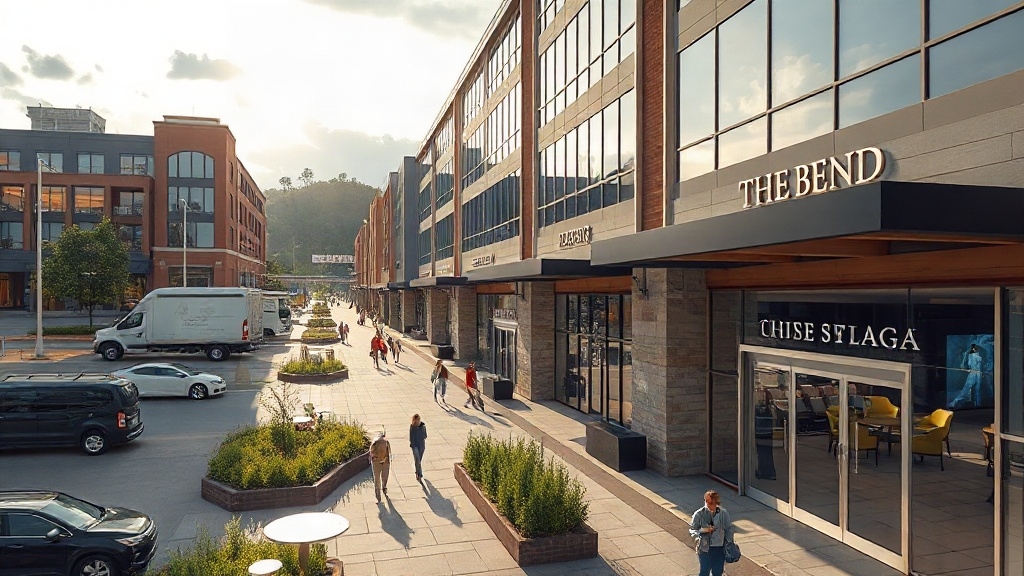
With the right choices, a town can turn Main Street back into a place that feels owned by its people. You start by keeping money close to home. Support local shops, fair leases, and community cooperatives that let neighbors share risk and reward.
You also protect the story of your place. Through cultural placemaking, you bring music, murals, food, history, and festivals back to the sidewalk. These signs tell residents, “You belong here.”
You can ask city leaders to favor small storefronts, mixed-use buildings, and public spaces over quick outside profit. You can show up at meetings, buy from owners you know, and invite younger people to build there.
Main Street rebuilds when you treat it as home, not a product for sale.
Frequently Asked Questions
Who Profits Most From Main Street Real Estate Investments?
Private investors usually profit most when you buy into main street real estate investments, because they control deals, rents, and exits. You’ll see stronger local benefits when community ownership keeps returns circulating nearby.
How Do Rising Rents Affect Local Job Creation?
Like weeds choking a garden, rising rents squeeze employers, so you see fewer hires, wage stagnation, and service displacement. Local shops cut hours, delay expansion, or close, shrinking opportunities your community depends on.
Can Zoning Laws Protect Main Street Businesses?
Yes, you can use zoning reform to limit chain-store dominance, require mixed-use spaces, and protect affordable storefronts. With preservation incentives, you encourage landlords to maintain historic buildings while helping local businesses stay competitive and visible.
What Role Do Banks Play in Main Street Ownership?
Banks can lock doors or open them. You see Community banks finance local buyers, shape ownership terms, and keep decisions nearby. Equity crowdfunding lets you widen ownership, but you’ll still need trust, safeguards, and accountability.
How Can Residents Track Who Owns Local Storefronts?
You can track storefront owners by checking county property records, tax assessor databases, deeds, and LLC filings. You’ll improve ownership transparency by mapping addresses, noting mailing contacts, and asking city clerks who controls each property.
Assessment
You can see it now: when Main Street becomes a cash machine, people lose more than stores. They lose the bakery that knew their name, the barber who heard their worries, and the shop lights that made Friday feel alive. It changes the whole feel of a place.
But that doesn’t mean it has to stay this way. You can support local owners, question absentee investors, and back city rules that protect small businesses. Main Street can feel like yours again when your community chooses people over profit.