

Why Gail Bought a Wisconsin Tiny Home
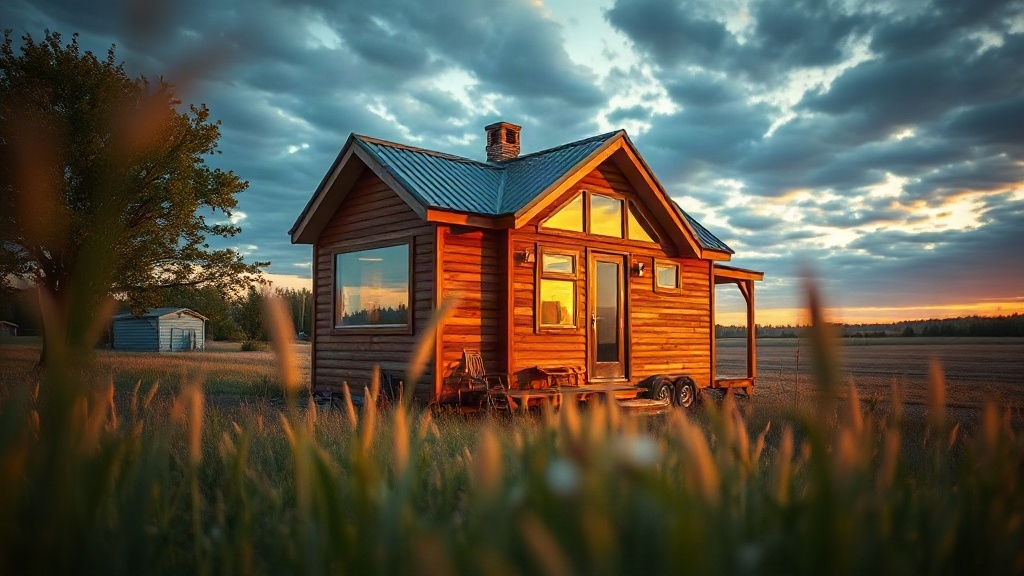
Gail moved into a 400-square-foot tiny home in Wisconsin after retirement pressures made her larger residence increasingly impractical. After nearly 30 years in a 1,500-square-foot townhome, she no longer needed the extra space once her daughter moved out.
The smaller home offered a right-sized option that reduced maintenance and matched her actual daily needs in retirement. In Brown County, the move also aligned with wider local interest in tiny homes for veterans near Green Bay. Similar trends in other regions, including Chattanooga’s $12 million investment in micro homes, show how smaller-scale housing is gaining attention as an affordability strategy.
Financial Pressure Drove the Decision
She bought the home outright for $145,000, removing any mortgage and creating a more predictable budget. That shift sharply lowered housing costs, including avoiding nearly $500 in association dues and more than $400 in property taxes tied to her previous home.
At Tiny Timbers, monthly lot rent was $495, while low utilities helped support financial independence, social connections, and a return to personal roots nearby.
Inside the 400-SF Tiny Home Layout
Inside, the 400-square-foot home likely relies on an open-plan layout that concentrates daily living functions without wasting space.
The living area would typically sit near the entry, flowing directly into a compact kitchen to limit visual clutter. A sofa sized to one wall, large windows, and possibly a media wall can help the interior feel brighter and more spacious. This kind of design also aligns with eco-friendly features that are increasingly valued in tiny homes for reducing environmental impact while maintaining comfort.
Space-Saving Zones
The kitchen may be placed centrally, using an island or peninsula for both meal prep and dining. Full-size or near full-size appliances are often paired with built-in storage, overhead cabinetry, and minimal hallway space.
A downstairs bedroom likely improves accessibility, while a loft could add secondary sleeping space. The bathroom would generally remain full-sized with a shower, vanity, and toilet, with laundry or utility storage integrated nearby.


What This Wisconsin Tiny Home Costs Monthly
Monthly costs come into focus quickly in this Wisconsin tiny-home setup. The largest recurring expense is not the house itself, but the land beneath it.
The reported lot rent is $495 per month. That charge includes garbage, sewer, and recycling.
This makes site access and bundled community fees the dominant fixed housing cost.
Utilities Press Higher in Winter
Gas remains under $15 monthly in the example. Electricity climbs to about $80 to $90 during the coldest Wisconsin stretch.
That reflects winter heating demand even in a well-insulated small home. These figures show why utility hacks matter most during freezing months.
Estimated Total and Missing Items
Together, lot rent, gas, and electricity land near $590 to $600 monthly.
That total excludes insurance, maintenance, internet, phone, and possible taxes or seasonal repair reserves.
How Paying Cash Cut Retirement Housing Costs
Paying cash immediately erased the biggest risk to a fixed retirement budget: a mortgage payment on the 400-square-foot tiny home.
That one decision removed a major monthly obligation right away.
It also created meaningful savings on the $145,000 purchase.
With no loan, there was no interest balance, underwriting, or lender-driven closing charges.
Costs Became Easier to Predict
Without principal-and-interest payments, the ongoing housing costs shifted mostly to lot rent and utilities.
That made the monthly budget simpler to track.
Monthly lot rent was $495 and included garbage, sewer, and recycling.
Gas stayed under $15 per month.
Electricity ran about $80 to $90 during the coldest part of winter.
Even with seasonal changes, the main costs were still easier to anticipate.
Retirement Income Faced Less Pressure
That structure made housing expenses easier to compare against Social Security income.
It reduced uncertainty in the monthly budget.
Debt-free ownership also lowered payment stress.
It left more cash flow available for food, healthcare, and other recurring essentials.
What Downsizing Changed in Gail’s Retirement
Simplicity became the central change in Gail’s retirement after she left a 1,500-square-foot townhome and moved into a 400-square-foot tiny home.
The shift removed unused space and replaced it with simplified routines that required less cleaning, less organizing, and less attention to upkeep.
With 300 square feet on the main level and a 100-square-foot loft, each area had a clearer purpose and fewer rarely used belongings.
A Smaller Home, A Different Retirement
The move also aligned retirement with living on Social Security alone, making comfort possible without carrying excess housing demands.
In Tiny Timbers, the setting changed from a conventional neighborhood to a community-based environment near family and familiar Wisconsin farm country.
That combination of practicality, proximity, and intentional living appears to have brought greater independence and emotional freedom in retirement.
Assessment
Gail’s purchase shows how a paid-in-full tiny home can sharply reduce retirement housing pressure in Wisconsin.
By eliminating a mortgage, she limited monthly costs to essentials such as lot fees, utilities, insurance, and upkeep.
The 400-square-foot layout also forced a major reduction in belongings and space needs.
Her downsizing decision reflects a broader retirement strategy focused on cost control, predictability, and avoiding the financial strain tied to larger homes and long-term housing debt.